




JWST’s Black Hole Secrets
The James Webb Space Telescope (JWST) has peered into the depths of the early universe, uncovering key details about the origins of the universe's first
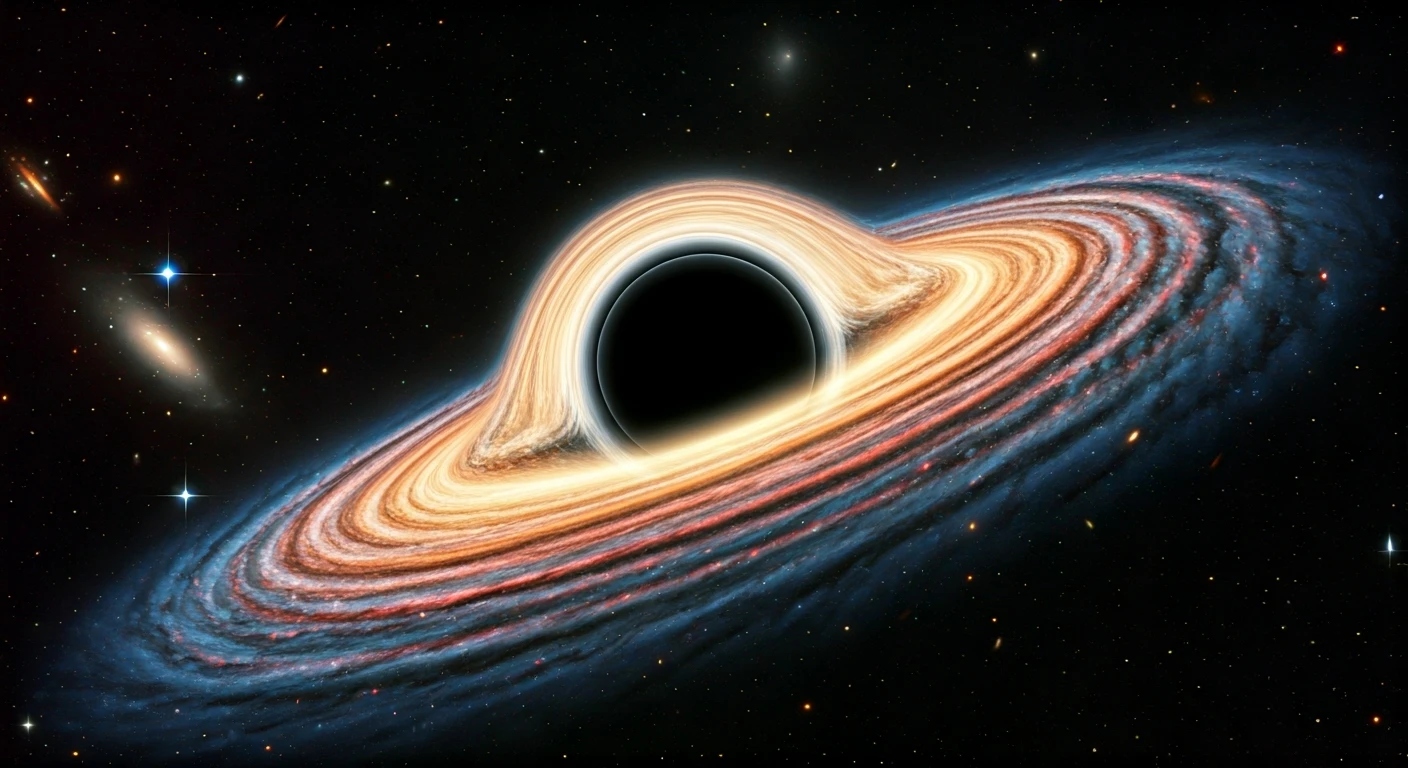
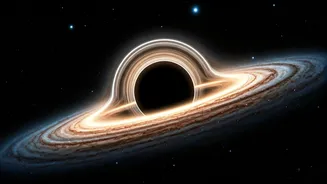
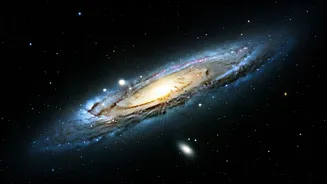
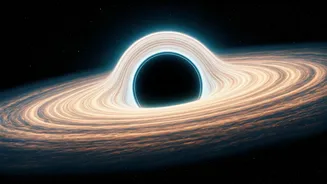
supermassive black holes. These colossal entities, found at the centers of most galaxies, have long puzzled astronomers. JWST's high-resolution observations are providing unprecedented insights into how these behemoths formed, revealing crucial clues about the universe's evolution. By observing the light from distant galaxies, scientists are gaining a clearer understanding of the physical processes that fueled the growth of these black holes, which in turn, has helped with understanding how these black holes shaped the structure of the cosmos. The data collected provides a significant step forward in our understanding of how the very first galaxies and black holes came into existence.
M87's Space Jet Explained
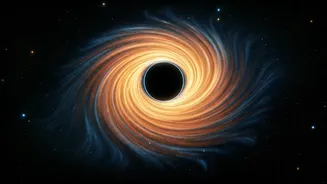
Astronomers have finally solved the mystery behind M87's enormous space jet. This jet, emanating from the supermassive black hole at the center of the M87 galaxy, is a spectacular phenomenon observed across multiple wavelengths. The jet, which extends for thousands of light-years, is made of particles accelerated to nearly the speed of light. Its origins have been a puzzle, however, recent research has provided insights into its formation and behavior. Through advanced observations and data analysis, scientists have determined the mechanisms that launch and maintain this jet, linking its activity to the black hole's influence on its surrounding environment. Understanding the M87 jet helps in understanding the fundamental physics of black holes and their effects on the cosmos.
Chemical Life on Jupiter’s Moon
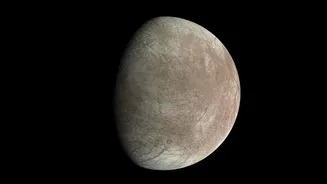
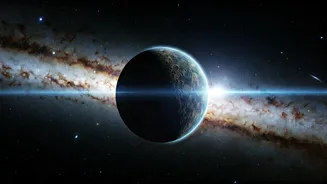
NASA's findings revealed the discovery of a crucial life-building chemical on one of Jupiter's moons, indicating the potential for environments that may support life. This discovery is a significant development in the ongoing search for extraterrestrial life, suggesting that the building blocks of life could be more widespread than previously thought. The identification of this chemical on a Jovian moon is a key piece of evidence, adding to the possibility that conditions suitable for life exist beyond Earth. Scientists are now focusing on analyzing the moon's environment to see if other elements and chemicals needed for life are present, thus, expanding the scope of the search for life in our solar system and beyond.
Rocket Lab's Launch
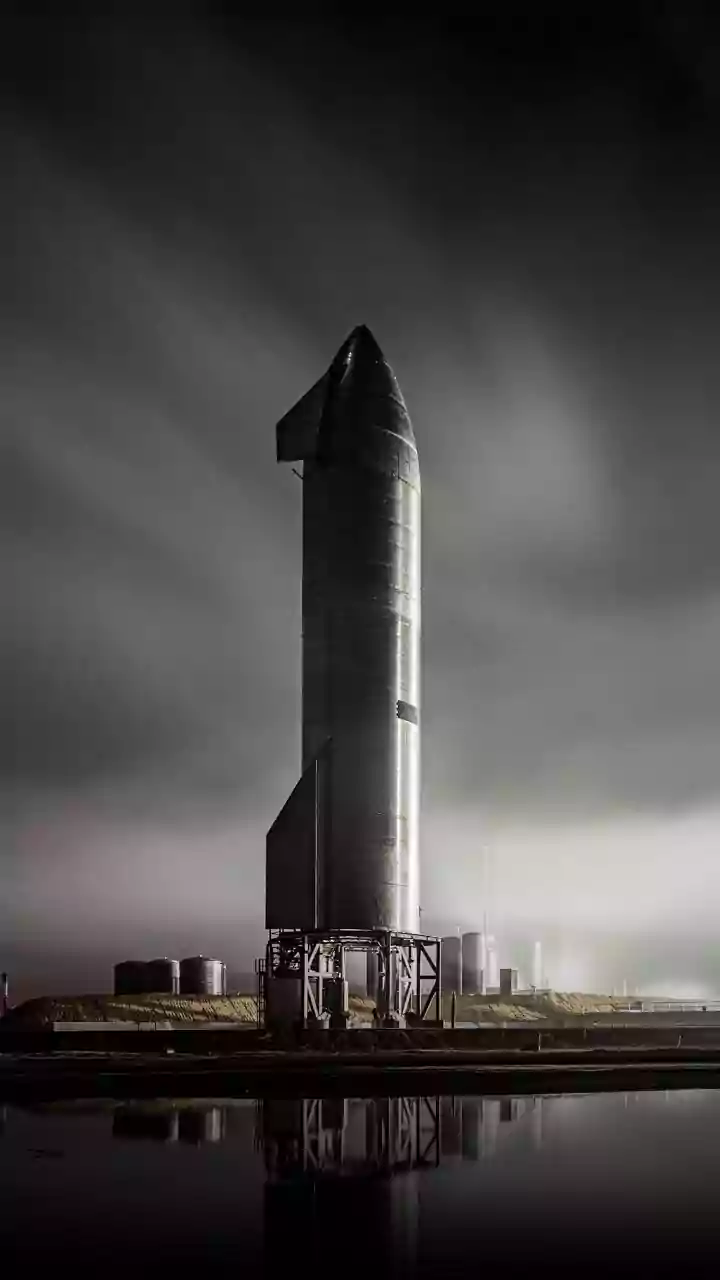
Rocket Lab successfully launched the NEONSAT-1A on a mission designed to enhance disaster tracking capabilities. This mission, named 'Bridging the Swarm,' underscores the critical role of satellites in monitoring and responding to natural disasters. NEONSAT-1A is a part of a broader initiative aimed at improving the efficiency and accuracy of tracking and predicting the impact of events, helping authorities worldwide to better prepare for and manage crises. The launch of the satellite will boost the availability of real-time data crucial for disaster response, including the monitoring of floods, wildfires, and other significant environmental events, hence enhancing global resilience.