




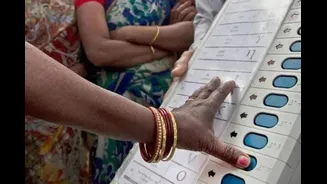
Massive Voter Roll Revision
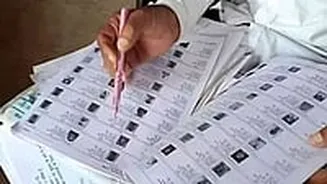
In a significant electoral exercise preceding the 2026 Assembly elections, West Bengal has witnessed the removal of approximately 91 lakh names from its
voter registry. This extensive purge was conducted following the completion of the Special Intensive Revision (SIR) process, a thorough review and purification of electoral data. The Election Commission of India's initiative aims to ensure accuracy and integrity in the voter rolls. This substantial reduction underscores a commitment to maintaining a clean and updated list of eligible voters, potentially impacting the electorate landscape for the forthcoming political contests. The exercise involved meticulous verification and scrutiny, leading to this large-scale pruning of names.
District Deletions Highlighted
Within the broad scope of name deletions across West Bengal, certain districts experienced a more pronounced impact. Murshidabad district emerged with the highest number of names struck off the voter list, indicating a focused revision within its jurisdiction. Following closely behind, North 24 Parganas also saw a substantial number of names removed. These district-specific figures highlight variations in the extent of electoral roll purification across different regions of the state. The reasons for these deletions can be multifaceted, ranging from duplicate entries, deaths, permanent relocations, to other disqualifying factors identified during the revision. Understanding these district-wise statistics provides a clearer picture of the ground-level impact of the SIR process.
Judicial Scrutiny's Role
The Supreme Court's intervention has played a crucial role in shaping the current state of the electoral rolls. It has mandated that the inclusion of any voter name, particularly those previously removed or in question, must undergo rigorous judicial clearance. This means that only individuals whose eligibility has been affirmed by judicial officers are permitted to be re-added or retained on the voter list. Critically, any appeals or cases that are still pending judicial review have been explicitly excluded from the current election cycle's voter rolls. This stringent approach ensures that the voter list is based on definitive judicial pronouncements, thereby preventing potential disputes and ensuring a robust electoral process.
Understanding the SIR Process
The Special Intensive Revision (SIR) is a multi-phased operation designed to ensure the accuracy and completeness of electoral rolls. This process typically involves several stages, beginning with data collection and verification, followed by public objections and claims, and culminating in a final review and publication of the updated rolls. During the SIR, electoral registration officers, often with the assistance of booth-level officers, conduct door-to-door surveys and cross-verify existing voter data against various sources. The objective is to identify and rectify errors, remove deceased voters, address duplicate registrations, and add newly eligible voters. This comprehensive approach is vital for maintaining a credible electoral database ahead of major elections, as seen in West Bengal's recent experience.
Voter Preparedness for Polls
With the electoral rolls undergoing such a significant revision, it is imperative for all registered voters in West Bengal to take proactive steps to ensure their names are correctly listed and to be aware of the updated procedures. Voters are strongly advised to verify their inclusion and details on the latest electoral rolls, which can often be done online through the Election Commission of India's portal or by visiting their designated Electoral Registration Office. Understanding the specific polling station assigned and the procedures for casting votes in the upcoming elections is also crucial. This period of revision also presents an opportunity for individuals who have recently turned 18 to register themselves as voters, ensuring their participation in the democratic process.