


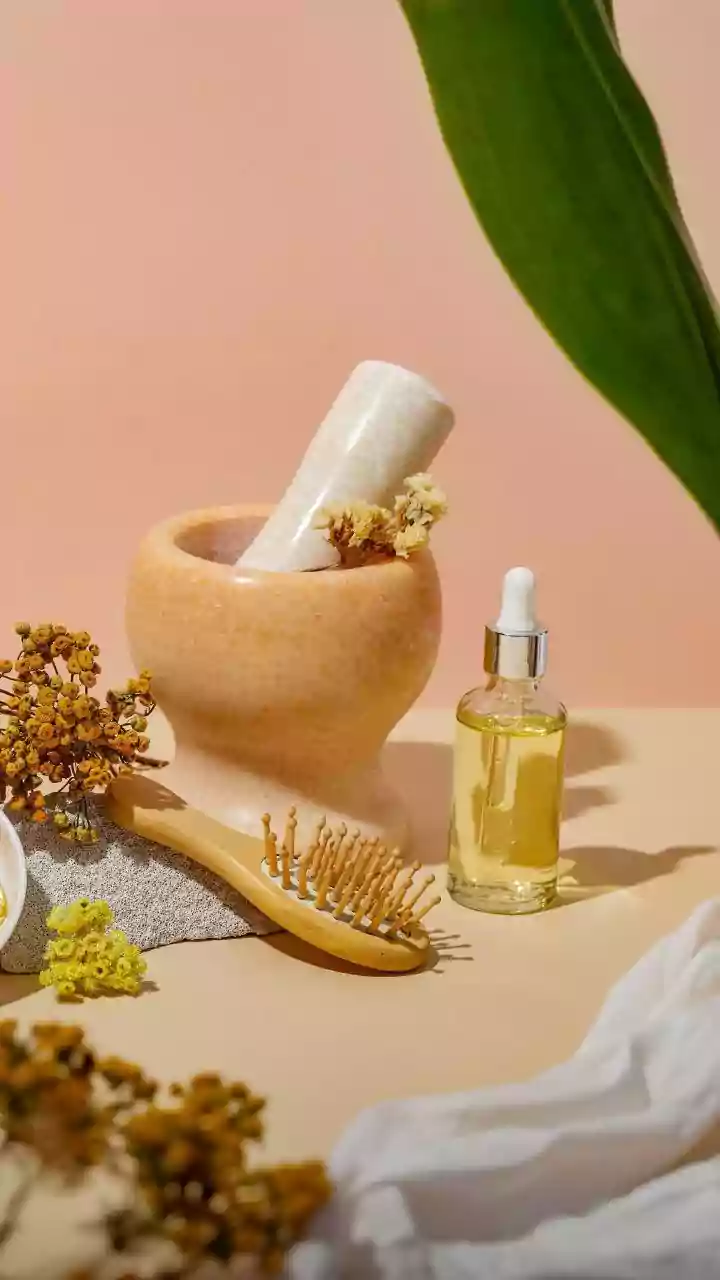


The Power Within
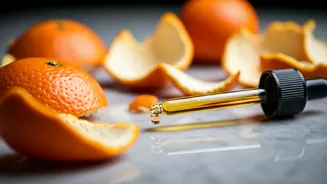
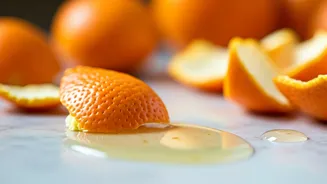
Orange peels are far more than just kitchen waste; they are a treasure trove of skin-loving nutrients. Brimming with Vitamin C, a formidable antioxidant,
they actively combat the cellular damage inflicted by free radicals, those elusive molecules that accelerate the aging process. This vital nutrient also acts as a catalyst, stimulating collagen synthesis, thereby enhancing skin's firmness and elasticity. Beyond these benefits, the natural compounds in orange zest possess mild bleaching qualities, perfect for diminishing dark spots and refining your skin's overall clarity. Furthermore, the inherent citric acid acts as a gentle exfoliant, sloughing away dull, dead skin cells to reveal a brighter, smoother canvas beneath. Embracing this homemade serum allows you to reap these significant advantages without resorting to costly commercial products, all while championing sustainability by upcycling what would otherwise be discarded.
Gather Your Essentials
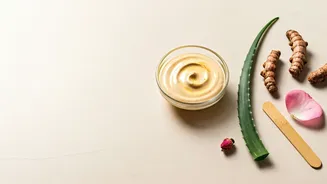
Embarking on your DIY serum journey requires just a few readily available items. First, you'll need two to three organic oranges. Opting for organic is paramount to circumvent any pesticide residues often found on conventional produce. Next, procure two tablespoons of rose water; if unavailable, standard distilled water can serve as a functional substitute. Complementing this is one tablespoon of pure aloe vera gel, providing a soothing and hydrating foundation for your concoction. Essential for drawing moisture into the skin is half a teaspoon of vegetable glycerin, a highly effective humectant. Finally, to amplify the serum's antioxidant punch and prolong its shelf life, incorporate the contents of two Vitamin E capsules.
Crafting Your Serum
The creation process begins with preparing the orange peels. Wash your organic oranges thoroughly. Carefully peel them, diligently removing as much of the bitter white pith as possible. Arrange the peels on a tray to air dry completely, either in the sun for several days or, for a quicker approach, in an oven set to its lowest temperature for one to two hours. Once dried, blitz the peels into an exceptionally fine powder. Sifting this dust is crucial to eliminate any coarse particles, ensuring a smooth final texture. Next, in a small bowl, combine one tablespoon of your finely ground citrus powder with two tablespoons of rose water. Cover the mixture and allow it to steep for four to six hours; this steeping period is vital for extracting the water-soluble Vitamin C. Strain this infusion through a cheesecloth or coffee filter, squeezing out every drop of the liquid and discarding the pulp. To finalize your serum, combine the infused orange liquid with the aloe vera gel and vegetable glycerin. Pierce the Vitamin E capsules and squeeze their oil into the mix. Whisk vigorously until the aloe vera gel is fully incorporated and the mixture achieves a slightly cloudy, gel-like consistency.
Storage and Application
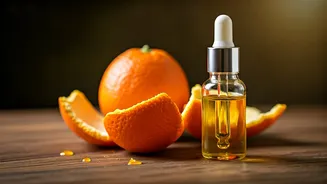
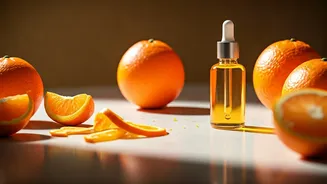
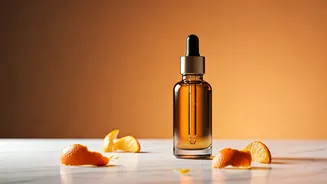
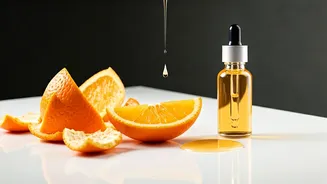
To preserve the efficacy of your freshly made serum, transfer it into a dark glass dropper bottle, preferably amber or cobalt blue, which shields the delicate Vitamin C from light-induced degradation. Given the absence of artificial preservatives, refrigeration is essential to prevent the proliferation of mold and bacteria. When ready to apply, after cleansing your face, dispense three to four drops of the serum and gently massage it in an upward motion. Conclude your routine with your preferred moisturizer. If applying in the morning, finishing with a broad-spectrum sunscreen is non-negotiable, as Vitamin C increases photosensitivity, and unprotected sun exposure will neutralize the serum's beneficial antioxidants.
A Dose of Realism
While the allure of DIY skincare is strong, it's important to manage expectations. Natural Vitamin C is inherently unstable; if your serum takes on a dark yellow or brown hue, or develops an unusual odor, it has oxidized and should be discarded immediately. Fresh batches should be prepared every seven to ten days to ensure potency. It's also worth noting that a homemade water-based extract will not penetrate the skin's barrier as deeply as clinically formulated serums. Its benefits are primarily surface-level, offering a gentle brightening and hydration boost. As with any new skincare product, always perform a patch test on your jawline 24 hours prior to full facial application to check for any adverse reactions.