






The Shifting Brain Landscape
After the age of 25, our brains undergo a significant transformation. While the youthful brain operates like an open network, rapidly forming new connections,
adulthood sees a process called neural pruning. This makes the brain more efficient by streamlining unused pathways, but it also reduces its inherent adaptability. Imagine it like an old house; while its structure remains, reopening neglected rooms requires effort to clear away dust and re-establish connections. In our early years, the brain is like a bustling maze, constantly seeking new information and experiences, making learning and habit formation effortless. This period is characterized by high absorption, where new skills and knowledge are readily integrated. The brain's reward system actively reinforces enjoyable activities, like reading, often etching them into our identity and memories, turning them into pivotal moments.
Adulthood's Evolving Environment
As we transition into adulthood, the external factors that once encouraged reading diminish. Unlike childhood, where parental influence, school libraries, and constant adult encouragement provide a supportive 'scaffolding' for reading, this external guidance fades. No longer are we regularly asked about our literary pursuits. Simultaneously, the natural slowdown in neurogenesis after puberty means acquiring new skills demands more conscious effort, patience, and repetition. The mind, which was once inherently curious and flexible, becomes more discerning about where it invests its mental energy. This shift, coupled with the growing responsibilities of adulthood—constant to-do lists and forward planning—can shrink available mental space, making even leisure feel scheduled. While a well-established reading habit from earlier years continues to foster creativity and focus, for those without it, building the habit becomes a significant, yet rewarding, challenge.
The Power of Words
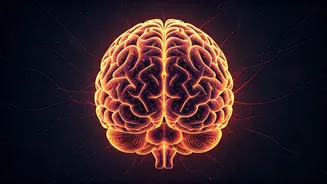
For individuals who haven't cultivated a reading habit, the profound influence of language on thought may be underestimated. Without regular exposure to varied sentence structures and intricate ideas, self-expression can become superficial, reducing nuanced feelings to simplistic phrases. This limitation isn't about personality but the absence of a rich vocabulary to articulate one's perspective. Over time, the divergence between avid readers and non-readers becomes apparent. Readers tend to perceive the world with greater depth and complexity, while others may engage with life more superficially. In the absence of other enriching developmental activities like meditation, dedicated hobbies (music, dance, fitness, gardening), life can become increasingly constricting. Reading is a rare activity that engages almost every part of the brain, from language processing to emotional centers and even motor neurons. It provides an inner rehearsal of experiences, enhancing empathy and the ability to connect with others on a deeper level, while also fostering a greater capacity for detailed analysis and focused expertise.
Confronting the Resistance
It's undeniable that building a reading habit after 25 requires more effort. The natural trimming of neural connections means learning feels like pushing against a palpable 'resistance.' This cognitive friction can make adults instinctively shy away from the very activity that could benefit them most. However, this is precisely the moment to intensify your commitment. Acknowledge this resistance, understand it as a signal of new neural pathways forming, and actively push through it. By recognizing and confronting this challenge, you are beginning the journey of significant cognitive growth. Each extra effort made to reinforce these specific neural connections brings you closer to reaping the profound, lifelong benefits of reading, keeping your mind agile and your curiosity alive.