






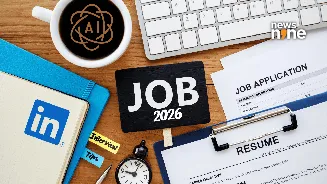

The AI Revolution
The advent of AI marks a significant shift in the professional landscape. The rapid advancements and integration of AI across various sectors necessitate
a proactive approach to career planning. This transformation impacts everything from the skills required for specific roles to the overall structure of industries. For instance, AI's influence can be seen in the buildout of AI infrastructure, the development of advanced AI models like Gemini 3 Flash, and the strategic deals being made in the tech sector, such as Google's collaboration with Palo Alto Networks, potentially approaching a $10 billion deal. These changes demand that professionals and those entering the workforce adapt and acquire skills relevant to the AI era. Moreover, with the global response to events like the India AI Impact Summit, it's clear that the interest and investment in AI are only increasing. This creates both opportunities and challenges for anyone building a career.
Adapting Your Skillset
To thrive in the age of AI, focusing on skills that complement AI capabilities is vital. The ability to work alongside AI systems, understanding their outputs, and integrating them into workflows will be highly sought after. Key skills include data analysis, critical thinking, problem-solving, and creativity. While the automation potential of AI is undeniable, certain aspects of human work, such as complex decision-making and innovation, remain crucial. Additionally, with the rise of AI, there will likely be a need for professionals who can oversee the ethical implications of AI. Continuous learning and upskilling are essential. Professionals need to stay current with the latest AI trends and technologies, perhaps through platforms and resources designed to enhance their proficiency. This can involve specialized courses, certifications, or self-directed learning, thereby enabling professionals to remain competitive and future-proof their careers.
Industry Impact & Shifts
AI's impact spans across all industries, leading to profound shifts in how work is done. Some sectors are experiencing rapid transformations, while others are still in early stages of integration. The role of AI in areas like infrastructure buildout and software development is creating new opportunities for specialists. At the same time, professionals in traditional roles may need to adapt to new requirements. For example, AI infrastructure advancements require a workforce skilled in these emerging technologies. The influence of companies like Google, evidenced by their strategic partnerships, indicates a future where AI is integral to business operations. This also applies to the legal and ethical considerations surrounding AI, such as the publishers' lawsuit against Google over AI training. These changes suggest that career paths will be continuously reshaped by AI, with a need for individuals to be adaptable and ready to embrace novel roles.
Strategic Career Planning
Effective career planning requires considering the implications of AI on specific job roles and industry trends. Start by evaluating existing skills and identifying areas that need development. Seek opportunities to gain hands-on experience with AI tools and technologies, which could be through projects, internships, or volunteering. Building a professional network that includes individuals with AI expertise is also valuable, providing access to mentorship and insights. Furthermore, monitoring industry reports, attending AI-focused events, and following expert insights can help you stay ahead of the curve. Consider the long-term career outlook, evaluating areas where AI might create opportunities and roles that require unique human skills. This proactive approach will help you navigate the changes that come with AI integration.
Embracing Continuous Learning
The dynamic nature of AI demands a commitment to continuous learning and professional development. This involves staying abreast of the latest advancements, acquiring new skills, and adapting to changing work requirements. Online courses, workshops, and certifications are excellent resources for acquiring knowledge. Focus on building a growth mindset, embracing challenges, and viewing failures as learning opportunities. The ability to learn and adapt quickly is crucial in an environment where AI technologies are constantly evolving. Networking within the industry and actively seeking opportunities to apply new skills are also important. Staying open to change, embracing new technologies, and a proactive learning attitude will provide the edge you need for career success in the age of AI.