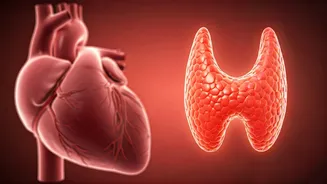








Thyroid: An Overview
The thyroid gland, positioned in the neck, is a small but vital organ. Its primary function involves producing hormones essential for regulating numerous
bodily processes, from metabolism and energy levels to heart rate and body temperature. When this gland works properly, the body maintains its equilibrium. However, if the thyroid doesn't produce the right amount of hormones, it can have far-reaching effects. Hypothyroidism occurs when the thyroid produces too little hormone, and hyperthyroidism happens when it produces too much, both causing various health issues. Therefore, it is important to pay attention to your thyroid health.
The Heart Connection
The relationship between thyroid health and heart function is significant. The thyroid hormones directly affect the heart, influencing its pumping strength and rhythm. An underactive thyroid (hypothyroidism) often leads to a slower heart rate, reduced heart muscle strength, and increased cholesterol levels. Elevated cholesterol increases the risk of heart disease, including coronary artery disease. Conversely, an overactive thyroid (hyperthyroidism) can cause an irregular and rapid heartbeat (arrhythmia), which strains the heart and increases the risk of heart failure. These cardiac effects underscore the need for thyroid health management to protect the cardiovascular system.
Recognizing Symptoms
Several signs can indicate a thyroid disorder, potentially impacting heart health. Common symptoms of hypothyroidism include persistent fatigue, weight gain, sensitivity to cold, constipation, and dry skin. On the other hand, hyperthyroidism presents with symptoms like unexplained weight loss, rapid heartbeat, anxiety, tremors, and heat intolerance. Changes in heart rate, such as a consistently slow or fast pulse, should prompt a visit to a doctor. Any of these symptoms should not be ignored, and anyone experiencing these issues should seek medical evaluation for a thyroid assessment to protect heart health.
Preventive Measures & Tips
Taking proactive steps can help maintain thyroid and heart health. Regular medical check-ups, especially for those with a family history of thyroid disorders, are crucial. A balanced diet rich in iodine is essential, although excessive iodine intake can also be problematic. Incorporate iodine-rich foods, such as seafood and dairy products, into your diet in moderation. Managing stress levels, getting enough sleep, and avoiding smoking can also support thyroid function and overall health. If a thyroid issue is diagnosed, it's vital to follow the doctor's treatment plan. These steps are essential for prevention and early intervention to protect cardiovascular health.
Seeking Medical Advice
Prompt medical attention is essential if any of the symptoms of thyroid disorders are noticed. A doctor can order blood tests to check thyroid hormone levels and diagnose any issues. Treatment options vary depending on the specific thyroid condition. Hypothyroidism is often treated with synthetic thyroid hormone replacement therapy, which helps to restore hormone levels. Hyperthyroidism might be managed with medications, radioactive iodine therapy, or, in some cases, surgery. Regular monitoring and adherence to treatment plans are crucial for managing thyroid disorders and protecting the heart. Early diagnosis and management are vital to prevent long-term health complications.