







Musk's Control Demands
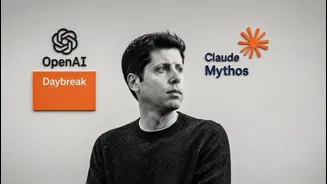
During a prominent trial, OpenAI CEO Sam Altman recounted his interactions with Elon Musk, asserting that Musk expressed an intention to hold a significant
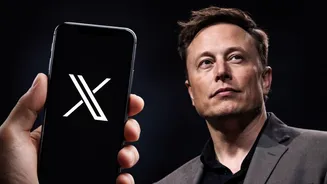
majority, initially suggesting as much as 90% equity, in the artificial intelligence company. Altman explained that this demand for overwhelming control was a persistent theme, even as the specific percentage fluctuated. This fundamental disagreement over the company's governance and ownership structure became a central point of contention. The narrative presented by Altman highlights a significant divergence in vision for OpenAI's future, particularly concerning the balance of power and decision-making authority within the rapidly evolving AI landscape. The company's evolution from a non-profit entity to a formidable commercial enterprise was underscored by these early negotiations and the differing expectations of its co-founders and key stakeholders.
Foundational Disagreements
The trial brought to light the ideological schism that developed between Elon Musk and OpenAI's leadership, primarily Sam Altman and Greg Brockman. Altman emphasized that the founding principle of OpenAI was to prevent any single individual from wielding absolute control over artificial general intelligence (AGI). When Musk's insistence on substantial, long-term control became apparent, and he was unwilling to commit to contractual terms that would limit his dominance, it created considerable unease for Altman. This resistance to Musk's desire for paramount authority ultimately led to Musk's departure from the organization, with his prediction that OpenAI would falter without his direct leadership. This pivotal moment, according to Altman's testimony, was marked by Musk's stark assessment of their chances of success as zero percent, underscoring the severity of their parting.
Company's Evolution
OpenAI's journey from a non-profit research institution established in 2015 to a significant commercial entity with a for-profit subsidiary, formed in 2019, was a critical aspect of the legal proceedings. Sam Altman clarified that this strategic shift was necessitated by the escalating costs and intense competition within the artificial intelligence field. The creation of the for-profit arm was essential to attract the substantial capital required from investors, including major players like Microsoft, to fund ambitious AI development. Musk's lawsuit seeks to revert OpenAI to its non-profit status, a move that would drastically alter its standing in the global AI race against formidable competitors such as Anthropic, Google, and China's Deepseek. OpenAI contends that Musk's current legal actions are driven by a personal grievance stemming from his inability to secure majority control of the commercial venture.
Trust and Accusations
The courtroom exchanges also delved into questions of credibility and trust, particularly concerning Sam Altman. During cross-examination, Musk's attorney, Steven Molo, pressed Altman on his trustworthiness and commitment to truthfulness, to which Altman responded that he believed himself to be a truthful person. This line of questioning occurred amidst broader accusations that Altman has a history of opacity and self-dealing, issues that have periodically surfaced in Silicon Valley. Altman's temporary ousting as CEO in November 2023, followed by his swift reinstatement after significant internal pressure, further complicated his public perception. Prosecutors from multiple U.S. states have also raised concerns about potential conflicts of interest, especially in light of OpenAI's anticipated public offering next year, seeking full disclosure from Altman.
Financial Landscape of AI
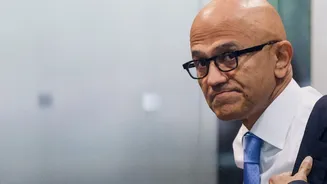
The high-stakes trial has illuminated the immense financial resources being channeled into the artificial intelligence sector, a dynamic force reshaping various aspects of modern life and work. The proceedings revealed significant financial stakes, such as the reported $30 billion stake held by OpenAI co-founder Greg Brockman. Testimony from Microsoft CEO Satya Nadella underscored the profound success of his company's strategic investment in OpenAI's commercial arm. Nadella expressed pride in the initial $13 billion investment, which has since multiplied in value more than tenfold. As this technology continues its rapid advancement, the financial landscape surrounding AI companies remains a subject of intense scrutiny and interest, with an advisory jury expected to deliver a verdict on potential wrongdoing around May 18th, followed by a final ruling from Judge Yvonne Gonzalez Rogers.