
Sun's Eruptive Nature
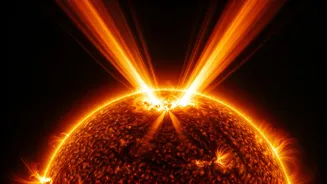
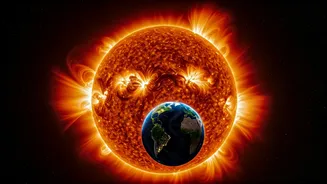
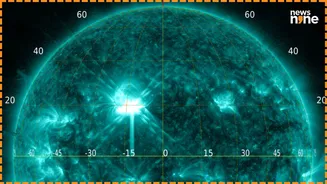
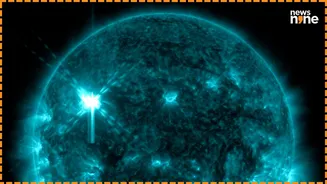
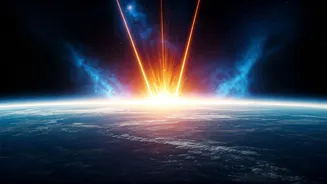
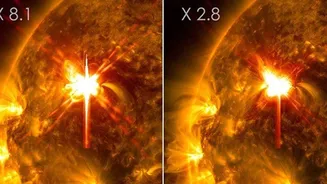
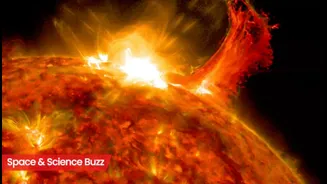
The sun, a dynamic star, frequently unleashes powerful bursts of energy known as solar flares. These flares, often triggered by the sun's magnetic field,
hurl energetic particles into space. When these particles reach Earth, they interact with the planet's magnetic field, causing geomagnetic storms. The intensity of these storms is classified on a scale from G1 (minor) to G5 (extreme). The recent G2 solar storm, a moderate event, demonstrated the sun's continuous activity. This constant solar activity highlights the need for continuous monitoring and preparation.
Auroras: Sky's Light Show
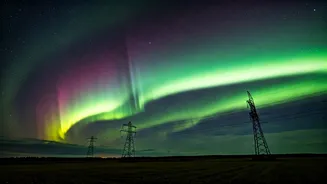
One of the most visually stunning effects of geomagnetic storms is the appearance of auroras, or the Northern and Southern Lights. When charged particles from the sun interact with Earth's atmosphere, they collide with gases like oxygen and nitrogen, causing them to glow. These collisions produce vibrant displays of light in the sky, often seen as green, red, and purple hues. The intensity and visibility of auroras are directly related to the strength of the solar storm. During a G2 storm, the auroras may be visible in regions further from the poles than usual, offering a rare treat for skywatchers.
Tech's Vulnerability Explained
While auroras are beautiful, solar storms can also disrupt technology. Geomagnetic storms can interfere with satellite operations, potentially disrupting GPS signals and communications. Power grids are also at risk. The influx of charged particles can induce currents in power lines, which can overload and damage transformers, leading to blackouts. Even the communication systems used by airlines might be affected. The G2 storm, while moderate, served as a reminder of the need for preparedness and protective measures to prevent major disruptions.
Forecasting Space Weather
Scientists actively monitor the sun to forecast space weather events, using satellites and ground-based observatories to track solar activity. The National Oceanic and Atmospheric Administration (NOAA) provides alerts and warnings about potential solar storms. These warnings allow industries and governments to prepare and take measures to mitigate the risks. Accurate forecasting remains a major challenge. The more accurate and timely forecasts are, the better we can protect sensitive infrastructure.
Mitigation and Response
Various strategies are in place to reduce the impact of solar storms. Satellite operators can adjust the orientation of their spacecraft to minimize exposure to radiation. Power grid operators can monitor for induced currents and take steps to protect transformers. Governments and critical infrastructure providers are developing and implementing contingency plans. Public awareness is also critical; informing the public about potential disruptions and providing guidance on how to stay informed during an event can help minimize confusion and panic.