





Lane Keeping Systems
Lane Keeping Assist (LKA) is a game-changer. It helps drivers stay within their lane, minimizing the risk of drifting off course due to fatigue or distraction.
LKA uses cameras to monitor lane markings. When the car starts to drift, the system sends a gentle nudge, a vibration, or even steers the car back into its lane. This feature is particularly useful on long drives, acting as an extra set of eyes and reducing the mental load on the driver. Different manufacturers implement LKA in slightly different ways, some offering more subtle corrections than others, but the core function remains the same: to keep the car safely within its designated lane. This system assists in preventing accidents that can occur due to a moment of inattention or drowsiness.
Adaptive Cruise Control
Adaptive Cruise Control (ACC) is more than just a cruise control upgrade; it's a significant advancement in driver assistance. Unlike traditional cruise control, ACC adjusts the car's speed to maintain a safe distance from the vehicle ahead. Using radar or cameras, ACC scans the road and automatically slows down or speeds up to match the flow of traffic. This takes away a lot of the stress and monotony of highway driving, making it easier to stay alert. ACC reduces the need for constant pedal adjustments, which can be tiring, and it helps maintain a consistent, safe distance from other vehicles, decreasing the chance of rear-end collisions. Different versions of ACC offer varying levels of sophistication, with some even capable of bringing the car to a complete stop and resuming movement in stop-and-go traffic.
Driver Monitoring Systems
Driver Monitoring Systems (DMS) are designed to keep an eye on the driver's alertness and focus. These systems use cameras and sensors to monitor the driver's face, eyes, and head movements. They can detect signs of drowsiness, such as closed eyes, yawning, or head nodding. When the system detects these signs, it alerts the driver through visual or auditory warnings. Some DMS also offer more advanced features, like suggesting taking a break or even slowing the vehicle down automatically. The main goal is to prevent accidents by intervening before fatigue impairs the driver's ability to react. DMS provides an added layer of safety, making long drives safer by proactively addressing the risk of driver fatigue.
Automatic Emergency Braking
Automatic Emergency Braking (AEB) is a critical safety feature that works to prevent or mitigate collisions. AEB systems use sensors, such as radar and cameras, to detect potential hazards in front of the car. If the system detects an impending collision, it automatically applies the brakes, even if the driver doesn't react in time. This is especially helpful in situations where the driver is distracted or has fallen asleep. The system can significantly reduce the severity of a collision or, in some cases, completely prevent it, making it one of the most effective safety technologies in modern cars. AEB can be a lifesaver in emergency situations, offering an added layer of protection.
Blind Spot Monitoring
Blind Spot Monitoring (BSM) is designed to help drivers stay aware of vehicles in their blind spots, making lane changes safer. The system typically uses radar sensors in the side mirrors or rear bumpers. These sensors detect vehicles in the blind spots and alert the driver with a visual or auditory warning, such as an illuminated light in the side mirror or a beep. This technology reduces the risk of collisions when changing lanes and is particularly helpful in heavy traffic. BSM offers peace of mind by providing an extra layer of awareness and making driving safer in various driving conditions. It significantly improves safety, especially on highways and busy roads.
Head-Up Displays
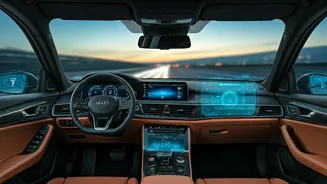
Head-Up Displays (HUDs) project important driving information onto the windshield, keeping the driver's eyes on the road. HUDs display information like speed, navigation directions, and warnings directly in the driver's line of sight, eliminating the need to look down at the instrument panel. This minimizes distractions and reduces the time drivers take their eyes off the road. By making essential information easily accessible, HUDs help drivers stay focused and react more quickly to changing conditions. This technology has been proven to enhance driver safety by reducing the time required to process information.
Ergonomic Seats
Ergonomic seats play a crucial role in preventing driver fatigue by providing comfortable support. These seats are designed with features like adjustable lumbar support, bolstering, and headrests to reduce strain on the back and neck. This also improves the driver’s posture. Proper seat design ensures that drivers are comfortable and can maintain good posture for extended periods. Comfortable seating reduces physical discomfort and fatigue, which contributes to greater alertness. Ergonomic seats help make long drives more bearable and safer by preventing aches and pains, helping drivers stay focused and in control for longer durations. This promotes overall driving comfort and safety.