






The Nano Urea Shift
India's agricultural landscape has historically evolved through significant technological interventions, starting from the Green Revolution's emphasis
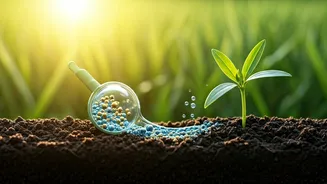
on high-yield crop varieties and progressing to the extensive application of synthetic fertilizers. Presently, nano urea is being promoted as the next major breakthrough in this progression. It is presented as a highly efficient, precision-based agricultural input designed to minimize environmental harm and lessen the reliance on traditional fertilizer types. Supported by governmental policies and expedited approval processes, the deployment of nano urea across the nation has been both swift and ambitious, reflecting a strong push towards embracing this new technology. The narrative surrounding nano urea highlights its potential to revolutionize farming practices with promises of greater crop yields and sustainable agriculture.
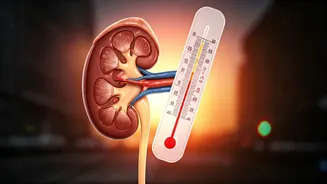
Unanswered Health Questions
While the allure of nano urea as a progressive agricultural solution is undeniable, a crucial point of concern has not been adequately addressed. The fundamental question that lingers is whether the pace at which we are integrating nano urea into our farming systems is faster than our ability to comprehend its potential long-term effects on human well-being and ecological balance. The rapid rollout, fueled by policy endorsements and accelerated regulatory clearances, has created a situation where the widespread application might be outpacing thorough scientific scrutiny. This disparity raises significant concerns about unforeseen consequences for both the health of individuals and the broader environment, suggesting a need for a more deliberate and cautious approach to its nationwide adoption.