




A Festive Beginning
Makar Sankranti, celebrated across India, marks the sun's transition into the zodiac sign of Makara (Capricorn). This celestial event signifies the end
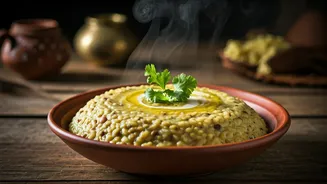
of winter and the start of longer days, making it a time of renewal and prosperity. Celebrations often involve vibrant kite-flying, bonfires, and, most importantly, sharing delicious, traditional foods. Urad Dal Khichdi, a simple yet nourishing dish made with black lentils and rice, is a staple of Makar Sankranti feasts, especially in certain regions. The preparation of Urad Dal Khichdi during this festival is not just about a meal; it's a symbolic gesture that connects people to their roots and traditions, making the day even more special and meaningful. Families come together to cook, eat, and share this special dish.
Cultural Significance Unveiled
The popularity of Urad Dal Khichdi on Makar Sankranti goes beyond taste; it's steeped in tradition. It represents abundance and prosperity, essential themes for the harvest festival. The black lentils (Urad Dal) are thought to bring good luck, and rice symbolizes fertility and growth. The act of making and sharing Khichdi is a community affair, bringing families and friends closer together. It represents a shared joy and togetherness, and it is common for people to make offerings of this dish to the deities, seeking blessings for a prosperous year ahead. This tradition is a blend of spirituality, community bonding, and culinary appreciation, making Urad Dal Khichdi a core element of the Makar Sankranti celebration.
Key Ingredients Explained
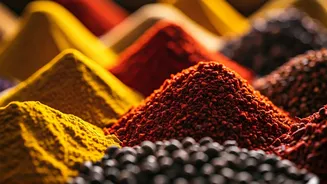
The simplicity of Urad Dal Khichdi is a part of its charm. The core ingredients usually include Urad Dal (black lentils), rice, ghee (clarified butter), and a mix of spices. The quality of ingredients is key to the dish's flavor and texture. Urad Dal should be fresh, preferably whole black lentils, for a rich taste. The rice, usually short-grain or broken rice, provides the ideal texture. Ghee, used for tempering, is important for a rich, aromatic flavor. Spices, such as cumin seeds, asafoetida, and turmeric, add depth and warmth to the dish, boosting both flavor and the nutritional value. The simplicity of the recipe allows the natural flavors of the ingredients to shine, creating a satisfying and balanced meal that is easy to make and enjoy.
Simple Step-by-Step Recipe
Preparing Urad Dal Khichdi is a straightforward process, making it accessible even for novice cooks. Start by soaking the Urad Dal and rice for about 30 minutes. In a pressure cooker or a heavy-bottomed pot, temper the ghee with cumin seeds and asafoetida. Add the soaked lentils and rice, along with water, and the turmeric powder. Pressure cook for about 3-4 whistles, or simmer until the rice and lentils are soft and well-cooked. Season with salt to taste. Serve hot, garnished with a dollop of ghee and perhaps a side of yogurt or pickle. This simple process can yield a flavorful and nutritious meal, perfect for any occasion but particularly cherished during Makar Sankranti.
Serving Suggestions & Variations
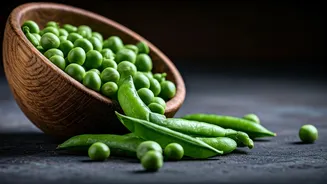
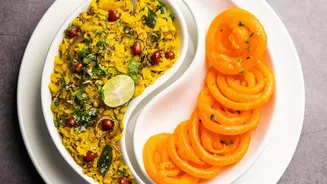
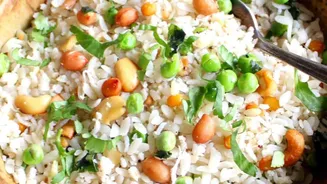
While Urad Dal Khichdi is delicious on its own, it can be enhanced with different accompaniments and variations. Traditionally, it's served with a dollop of ghee, which adds richness and flavor. Yogurt or buttermilk often makes a refreshing side. A tangy pickle, chutney or papad adds a contrasting element. Some families add vegetables like green peas or carrots for added nutrients and texture. For a richer flavor, some people add a tempering of mustard seeds and curry leaves. The variations allow for customization, allowing cooks to experiment and personalize the dish. This adaptability makes it suitable for different tastes while keeping the spirit of the tradition alive.