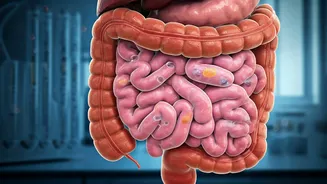








Unveiling the Gut
Researchers have made a significant breakthrough by compiling the most comprehensive catalog ever of the bacterial communities living in the canine gut.
This groundbreaking project has identified a multitude of new bacterial strains, previously unknown to science. The work involved the analysis of thousands of samples, demonstrating the sheer complexity and diversity of the microbial life within a dog's digestive system. This immense undertaking provides a new foundation for understanding the intricate relationship between a dog's health and its gut bacteria, opening the door for innovative approaches to canine health management. The study focused on extracting and analyzing the genetic material from the bacteria, allowing for identification of the different species present, and mapping their abundance and distribution throughout the canine gut. The researchers noted that these initial findings will drive further investigation, highlighting the critical role that gut microbes play in canine health.
Hundreds of New Strains
A truly astonishing aspect of this research is the discovery of hundreds of new bacterial strains, previously unseen. These strains belong to a variety of bacterial families, each playing a different role within the dog's digestive system. The identification of these new strains adds a significant amount of detail to our understanding of the canine microbiome. These findings offer important clues about the functions of the bacteria, from aiding in digestion to influencing the immune response. By examining the genetic makeup of these novel strains, scientists can start to understand their roles within the system. Understanding the unique functions of the newly discovered bacteria could pave the way for highly targeted interventions for canine gut health issues, such as developing probiotics tailored to specific needs, and also to understand the differences from the human gut microbiome.
Impact on Canine Health
This detailed map of the canine gut microbiome has significant implications for dog health. Scientists now have a more comprehensive picture of the complex world within a dog's digestive tract. This increased knowledge helps us to understand how gut bacteria affect things like digestion, nutrient absorption, and the immune system. The health of a dog's gut microbiome is directly linked to its overall well-being. Imbalances in the gut flora are associated with a variety of health problems, including digestive upset, allergies, and even behavioral changes. Understanding the specific bacteria present, and their functions, provides the information necessary to design targeted treatments and dietary changes. This can lead to the development of better ways to prevent and treat health problems in dogs, improving their quality of life. The study offers a foundation for new research into canine diseases, as researchers have an unparalleled toolset for investigating microbial associations.
Future Research Directions
The research opens up many exciting avenues for future study. Scientists can now delve deeper into the specific functions of the newly identified bacterial strains. Investigating how these strains interact with each other, and the host dog's body, is an important step. This kind of research could lead to the development of new treatments for gut-related health problems. Researchers are looking at the impacts of things like diet, lifestyle, and medications on the composition of the gut microbiome. They are hoping to find ways to promote a healthy gut microbiome, which is essential for overall health. This includes the possibility of developing prebiotics and probiotics designed specifically to target and support the unique needs of a dog's gut. The new understanding of the canine gut microbiome also allows scientists to explore the possible links between gut health and other diseases. They are interested in investigating the role of the gut microbiome in the development and progression of diseases outside of the digestive tract.