

The Humble Potato's Arrival
The ubiquitous potato, a cornerstone of Indian dishes from north to south, actually began its journey in the Peruvian-Bolivian Andes. It was introduced
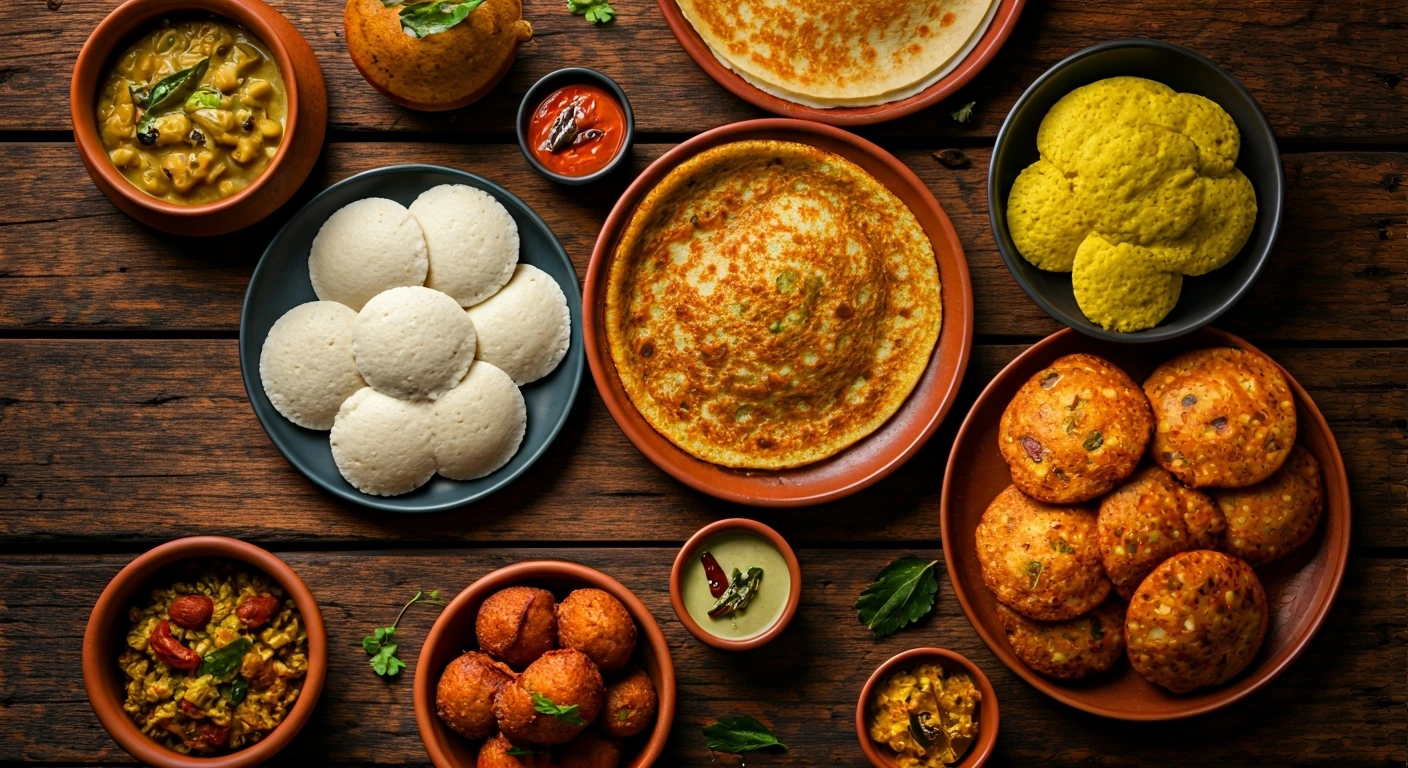
to Europe in the latter half of the 16th century and subsequently arrived in India via Portuguese traders alongside other produce from the Americas. What’s truly remarkable is the potato’s seamless integration into India's food culture. Over centuries, it has become so deeply ingrained in regional cuisines, appearing in everything from flaky parathas stuffed with spiced mashed potato in the North to the crispy masala dosas of the South, that it now feels as if it has always been a native ingredient. Its ability to adapt and blend so effortlessly into everyday cooking is a testament to its successful assimilation, making it hard to imagine Indian meals without it, despite its South American origins.
Tomatoes: A Fiery Fusion
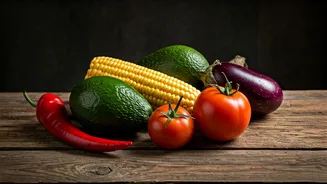
Tomatoes, now an indispensable element in Indian gravies, chutneys, and beloved street food snacks, are not indigenous to the subcontinent. Originating from South America, they were first brought to Europe in the early 16th century. Initially, many Europeans regarded the tomato with caution, some even considering it merely an ornamental plant rather than an edible one. However, its vibrant acidity and incredible culinary versatility allowed it to traverse continents and culinary styles with surprising ease. The tomato's introduction to India occurred later, through the same Portuguese trade routes that facilitated the arrival of other New World crops, eventually becoming a fundamental component of India's rich flavour profiles.
Chilies: A Spice Revolution
The iconic heat synonymous with Indian cooking owes its presence to the chili pepper, another significant arrival from the Americas. These fiery pods journeyed to India through Portuguese trade channels during the 16th century, a part of the broader Columbian Exchange. Before their advent, Indian kitchens relied on spices like black pepper, long pepper, ginger, and mustard for pungency. The transition wasn't instantaneous; chilies coexisted with older spices for years before their cultivation became more widespread, prices dropped, and availability increased across different regions. Indian farmers found them adaptable to various climates, and cooks discovered their ease in enhancing curries, pickles, chutneys, and everyday tempering. Their rapid acclimatization to Indian conditions and palates ultimately revolutionized regional cuisines, making them an inseparable part of the nation's food identity.
Cashews: From Coastal Defense to Culinary Staple
The cashew nut, a popular snack and ingredient in Indian sweets and savory dishes, hails from northeastern Brazil. Portuguese traders and missionaries introduced the cashew tree to India in the late 16th century, initially planting it along coastal areas primarily to combat soil erosion and stabilize the land. What began as a strategic agricultural measure gradually evolved into a culinary fixture. Cashew trees thrived particularly well in regions like Goa, Kerala, and coastal Karnataka, becoming deeply intertwined with the local economies and seasonal harvesting practices. Over generations, the nut shed its foreign label, becoming fully integrated into the fabric of Indian cuisine, adorning festive desserts, enriching rich gravies, and serving as a common snack.
Pineapple's Tropical Embrace
The pineapple, a vibrant tropical fruit, arrived in India sometime after many of its established food traditions had already taken root. Native to South America, it traversed the oceans via Portuguese trade networks during the 16th century, reaching Indian shores around the mid-1500s. This fruit adapted remarkably well to India's warm, humid climates, particularly flourishing in coastal and northeastern territories. It gradually found its place in local dietary habits, making appearances from bustling street-side fruit stalls to festive desserts and even regional curries, showcasing its easy assimilation into the Indian palate.
Papaya: A Sweet Transition
Today, the papaya appears perfectly at home in Indian markets and kitchens, yet its origins lie in Mexico and Central America. As noted by Encyclopaedia Britannica, this fruit is native to that region and was among the New World fruits introduced to India by Portuguese traders in the 16th century. Similar to other crops on this list, the papaya began as an import but found lasting appeal as Indian culinary practices embraced and adapted it. Its natural sweetness and versatile texture have made it a common sight in fruit salads, smoothies, and as a sweet ending to meals across the country, solidifying its place in the modern Indian diet.