





Code Exposed Accidentally
In a surprising turn of events, Anthropic, a prominent AI research company, has inadvertently made the source code for its Claude Code AI assistant publicly
accessible. This incident, which occurred on March 31, 2026, was not the result of a malicious breach but rather a simple mistake during the deployment of a recent update. Developers discovered that the distribution package for Claude Code, specifically version 2.1.88, contained a source map file named cli.js.map. This type of file is intended solely for internal debugging purposes, as it allows developers to map the compiled code back to its original, human-readable source. By including it in the publicly distributed npm package, Anthropic effectively handed over the keys to its AI's internal architecture. The leaked code quickly circulated within the developer community, enabling widespread analysis and discussion of its contents within hours of its discovery by security researcher Chaofan Shou.
Technical Blunder Explained
The underlying cause of this significant exposure appears to be a basic oversight in Anthropic's software release procedure. Typically, AI tools like Claude Code are developed in high-level programming languages and then processed into a more compact, machine-readable format for public use. This compilation process is designed to safeguard the original code, making it difficult to reverse-engineer. However, in this instance, a critical step was missed: the exclusion of the source map file. These maps are invaluable for developers when troubleshooting errors in the compiled code, as they directly link back to the original lines of code. When this file was mistakenly bundled with the final release, it provided an unintended pathway for anyone to reconstruct the entire source code. Consequently, the leak has revealed the intricate design and operational logic behind Claude Code, essentially providing a detailed schematic of the AI's functionality.
Contents of the Leak
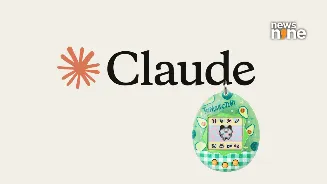
The accidental disclosure has unearthed a substantial amount of Claude Code's internal programming, reportedly comprising over 500,000 lines of code spread across nearly 2,000 files. This comprehensive leak offers a deep dive into the core components of Anthropic's AI tool. Insights gained include the intricacies of its internal APIs, which govern how different parts of the system interact, as well as details about its telemetry and analytics infrastructure. Furthermore, elements related to encryption logic and the communication protocols between various modules have been exposed. Beyond the current functionality, the leaked code has also offered tantalizing hints about future developments. Among these are mentions of a Tamagotchi-like interactive assistant designed to engage with users during coding sessions, and a feature dubbed "KAIROS," which appears to be an always-on AI agent operating in the background. The leak even includes candid internal developer notes, providing a rare window into the thought processes and challenges faced by engineers, including debates about feature effectiveness versus complexity.
Recurring Security Concerns
This latest incident is particularly troubling because it marks a repetition of a similar security lapse for Anthropic. In early 2025, the company experienced another source code leak, also attributed to the inclusion of a source map file in a public release. That earlier leak had shed light on the operational mechanisms of Claude AI and its integration with Anthropic's internal systems. While that issue was rectified at the time, the recurrence of such a sensitive data exposure raises significant questions about the robustness of Anthropic's internal release procedures and its overall quality control measures. Given Anthropic's prominent position in the competitive AI landscape and the widespread adoption of its tools by businesses and developers, this slip-up has drawn considerable criticism. Many are questioning how a company that emphasizes AI safety and reliability could permit such repeated errors to occur.