





Shared Genetic Drivers
A significant international research collaboration has undertaken the first large-scale genetic profiling of feline tumors, examining nearly 500 cats across
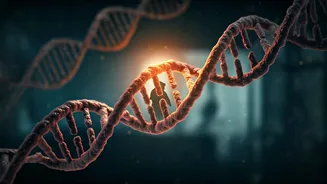
five nations and 13 different cancer types. The scientists meticulously analyzed approximately 1,000 genes commonly associated with human cancers, comparing tumor tissue with healthy samples. This extensive comparison revealed striking genetic similarities between cancers affecting domestic cats and those found in humans and dogs. Notably, certain genetic alterations driving feline cancers closely mirror those observed in human counterparts, suggesting common underlying mechanisms. This discovery is monumental because it opens up avenues for research into shared therapeutic targets, potentially leading to treatments that are effective across species. The sheer scale of this genomic analysis creates a vital open-access resource, poised to accelerate future research in feline oncology and broaden our understanding of cancer's genetic underpinnings across the animal kingdom.
Mammary Cancer Parallels
A particularly compelling finding from the study centers on mammary carcinoma, an aggressive cancer that frequently affects cats. Researchers identified seven crucial driver genes responsible for this cancer's development in felines, with the FBXW7 gene emerging as the most prevalent. Over half of the feline tumors examined exhibited mutations in FBXW7, a genetic anomaly that, when found in human breast cancer, is unfortunately linked to less favorable patient outcomes. This mirroring of genetic drivers between cat and human mammary cancers is highly significant. Furthermore, the research indicated that certain chemotherapy agents demonstrated enhanced efficacy against cat mammary tumors carrying FBXW7 mutations. While these initial observations require further validation, they offer a tantalizing glimpse into potential targeted therapeutic strategies for both feline and human breast cancer. Another key driver, PIK3CA, was present in nearly half of feline mammary tumors, a mutation also recognized in human breast cancer and currently targeted by specific drug therapies.
One Medicine Approach
The profound genetic commonalities discovered between cat and human cancers underscore the potential of a "One Medicine" approach. This philosophy champions the collaborative exchange of knowledge and data between human and veterinary medical fields to achieve mutual benefits. The insights gleaned from studying feline cancers could directly inform human cancer research and treatment, and conversely, successful human therapies could be adapted and tested for veterinary use. This bidirectional flow of information is invaluable. For instance, treatments that prove effective in human clinical trials might offer new hope for cats, while data from veterinary studies could accelerate human therapeutic development. This collaborative framework acknowledges that many diseases, including cancer, share biological pathways and environmental risk factors across species, especially given that our pets often share our living spaces and are exposed to similar environmental influences. This holistic perspective is crucial for unlocking novel preventative measures and innovative treatment modalities for a wide range of diseases.
Future Oncology Prospects
This extensive research represents a significant leap forward in feline oncology, effectively moving the genetics of domestic cat tumors out of the "black box" of the unknown. The availability of this detailed genetic blueprint for feline cancers is transformative, enabling the next phase of precision oncology for cats. The ultimate goal is to equip veterinarians with diagnostic and therapeutic options that can rival those currently available for canine cancers, and eventually, human cancers. By understanding the specific genetic mutations driving feline cancers, researchers can begin to develop targeted therapies that are more effective and less toxic. This detailed genomic data allows for the identification of vulnerabilities within cancer cells, opening doors to novel treatment strategies. The implications are far-reaching, promising improved outcomes for feline cancer patients and potentially revealing new therapeutic avenues for human oncology as well, by leveraging the unique biological insights offered by our animal companions.