




The Aging Challenge
As populations age, maintaining a high quality of life becomes paramount. Even with medical advancements, aging often brings weakened immune systems and
pervasive low-level inflammation, a phenomenon known as 'inflammaging.' This chronic inflammatory state is directly linked to a host of age-related ailments, including arthritis, persistent fatigue, compromised bone integrity, and a noticeable decline in muscle strength. Understanding the underlying mechanisms of immunosenescence—the age-related decline in immune resilience—is crucial for developing strategies to mitigate these challenges and promote healthier aging. The demographic shift towards an older population, with nearly a quarter of Americans expected to be over 65 by 2050, underscores the urgency of this research.
A Protein's Protective Role
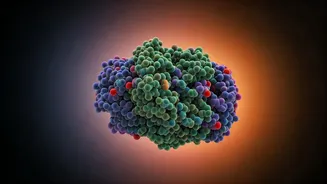
Scientists have identified tristetraprolin (TTP) as a critical protein in the battle against aging-related inflammation. TTP functions by binding to RNA and promoting the rapid degradation of inflammatory mediators, effectively acting as a natural brake on inflammatory processes. In younger, healthier individuals, TTP levels are typically robust. However, research indicates that TTP levels tend to diminish with age, particularly within immune cells, leading to an unchecked rise in inflammation. This decline in TTP’s regulatory capacity is a significant contributor to the inflammatory state observed in older adults, exacerbating frailty and other age-associated health issues.
Boosting TTP in Mice
To investigate the potential of TTP in combating aging's effects, researchers conducted a six-year study involving older mice (22 months old, equivalent to late life in humans). A group of these mice was genetically engineered to maintain stable TTP levels, preventing the natural age-related decline. The results were striking: mice with stabilized TTP exhibited significantly reduced physical frailty compared to their untreated counterparts. These enhancements were measured through various physical performance tests, including grip strength, walking speed, endurance on a treadmill, and overall energy levels. The study, supported by a $2.1 million grant from the National Institutes of Health, showed that increased TTP not only improved physical performance but also led to healthier bones with reduced breakdown, and a more youthful immune cell profile.
Gender Differences and Future Avenues
While the TTP intervention proved beneficial for both male and female mice, a notable difference in response was observed. Male mice demonstrated a more pronounced improvement in frailty scores and physical performance than female mice. Researchers attribute this variability, in part, to physiological differences such as body size and declining estrogen levels in older females, which may influence how effectively tissues respond to anti-inflammatory regulation. Despite this, enhanced TTP activity consistently contributed to improved bone strength across both sexes. Although direct translation to human treatments is still some time away, early drug screening efforts are underway to identify compounds that could potentially increase TTP levels in humans. Future research aims to explore TTP's role in neuroinflammation, particularly its potential impact on age-related conditions like dementia and Alzheimer's disease.