
Solar Storms Explained
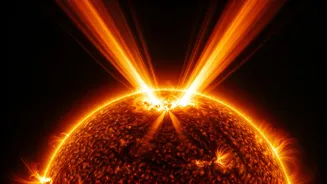
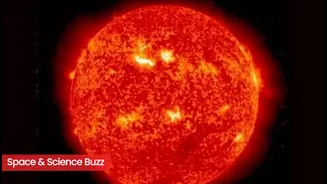
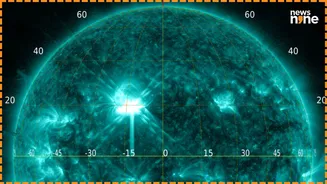
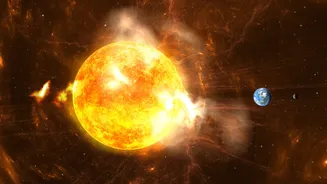
Geomagnetic storms, like the anticipated G2 event, originate from disturbances in the sun's activity. These disturbances are usually caused by solar flares
or coronal mass ejections (CMEs). During these events, the sun releases bursts of energy and charged particles into space. When these particles reach Earth, they interact with our planet's magnetic field. This interaction leads to the formation of geomagnetic storms. The storms are categorized based on their intensity, with G1 being the weakest and G5 being the strongest. The G2 storm predicted for January suggests a moderate level of activity.
Auroral Displays Possible
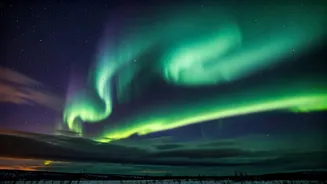
One of the most captivating effects of a geomagnetic storm is the potential for auroras, often known as the Northern and Southern Lights. The charged particles from the sun interact with gases in Earth's atmosphere, leading to the creation of these colorful displays. During a G2 storm, auroras can be visible at higher latitudes. In January, favorable viewing conditions may exist in certain locations, giving skywatchers a chance to witness the breathtaking lights. The clarity of the sky and the absence of light pollution are critical for enjoying these displays. It is important to remember that weather conditions could impact visibility.
Impact on Technology
While auroras are visually stunning, geomagnetic storms can also pose challenges. The energetic particles released by the sun can interfere with the operation of technological systems. Satellite signals are particularly vulnerable. During a G2 storm, minor impacts on satellite operations are possible. There's a chance of increased drag on low-Earth orbit satellites, and there is a need to maintain the satellite's altitude. Additionally, there may be some disruption to high-frequency radio communications. It is important to note that the impact of a G2 storm is generally limited, but it underscores the importance of monitoring space weather.
NOAA's Alert System
The National Oceanic and Atmospheric Administration (NOAA) plays a vital role in monitoring and forecasting space weather events. NOAA's Space Weather Prediction Center (SWPC) issues alerts and warnings about geomagnetic storms and other solar events. These forecasts provide valuable information for satellite operators, power grid managers, and others who could be affected by space weather. The January G2 solar storm watch serves as an example of NOAA's efforts. The warnings allow individuals and organizations to take steps to prepare for any potential disruptions and to appreciate the amazing occurrences in our solar system.