



AI's Ubiquitous Influence
Artificial intelligence is rapidly integrating into our lives, moving beyond theoretical concepts to practical applications that are changing how we interact
with technology and each other. From smart assistants that manage our schedules and answer our queries to sophisticated systems that can generate creative content, AI's presence is becoming undeniable. We see this evolution in personalized recommendations, automated customer service, and even in the way devices learn our preferences. This pervasive influence extends to how we consume information, with AI-powered tools now capable of summarizing lengthy articles or even creating engaging visual content, blurring the lines between human and machine creativity. The ongoing development suggests an even deeper integration into the fabric of our daily routines, promising further efficiencies and novel experiences as AI systems become more intuitive and capable of understanding complex human needs and desires.
The Rise of Deepfakes
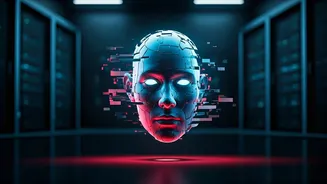
The proliferation of advanced AI technologies has brought forth the concerning phenomenon of deepfakes, which are synthetic media where a person's likeness is manipulated to appear as someone else. This technology, while having potential legitimate uses in entertainment or historical reenactments, is increasingly being weaponized for malicious purposes. The ease with which convincing fake videos and audio can be generated poses a significant threat to public trust and can be exploited to spread misinformation, damage reputations, or even influence political discourse. The ability to create highly realistic fabricated content means that distinguishing between genuine and artificial media is becoming progressively more challenging for the average person. This necessitates a greater awareness and the development of robust detection mechanisms to combat the potential societal harms arising from widespread deepfake usage, highlighting a critical area of concern in the current technological landscape.
AI and the Job Market
The advancements in artificial intelligence are undeniably reshaping the global employment landscape, sparking conversations about job security and the future of work. While AI promises to automate repetitive tasks and enhance productivity, there's a growing apprehension about its potential to displace human workers in various sectors. Reports and analyses suggest that certain roles are more susceptible to automation, leading to a need for workforce adaptation and the development of new skills. This shift demands a proactive approach from individuals, educational institutions, and governments to prepare for an AI-augmented workforce. Initiatives focused on reskilling and upskilling are crucial to ensure that individuals can transition into new roles or collaborate effectively with AI systems. The economic implications are substantial, and navigating this transition successfully will require careful planning and investment in human capital to harness the benefits of AI while mitigating its disruptive effects on employment.
Technological Milestones & Innovations
The realm of technology is constantly being redefined by groundbreaking innovations, with several key players pushing the boundaries of what's possible. The evolution of personal computing, from early revolutionary products that laid the foundation for today's devices to the current era of interconnected ecosystems, showcases a relentless pursuit of advancement. Emerging technologies, such as advanced AI models capable of complex problem-solving and sophisticated semiconductor manufacturing plants, are setting new benchmarks. These developments span across various sectors, including consumer electronics with enhanced audio experiences and privacy-focused smartphones, to critical infrastructure like the burgeoning semiconductor industry. The rapid pace of innovation indicates a future where technology will continue to play an even more integral role in shaping societal progress and daily life, driving efficiency and creating new possibilities across the board.