




Battling the Cold
Electric vehicle batteries have long struggled in frigid environments, with traditional lithium-ion packs experiencing reduced range and significantly
slower charging speeds as temperatures plummet. Even sophisticated thermal management systems often can't fully compensate for the performance drop below freezing. This inherent weakness has been a significant hurdle for EV adoption in colder regions, creating 'range anxiety' for drivers. However, a new wave of battery innovation, spearheaded by research institutions, is actively addressing this critical issue. Scientists are exploring novel chemistries and designs that can withstand extreme cold, aiming to deliver consistent and reliable performance regardless of the weather outside. This pursuit is crucial for bridging the gap between electric vehicles and their internal combustion engine counterparts across all climates.
Aluminum's Cold Advantage
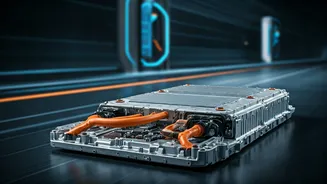
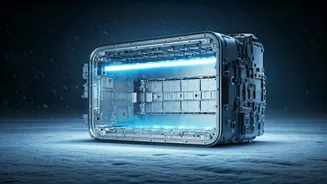
A promising advancement comes from researchers who have developed an aluminum-based wide-temperature lithium-ion battery. This innovative design is engineered to expand the operational temperature range of EV batteries, tackling the limitations of conventional cells. In rigorous testing, this new battery has demonstrated exceptional resilience, retaining over 85% of its capacity even after enduring eight hours at a chilling -34°C (-29°F). Furthermore, when implemented in a production vehicle, it achieved an impressive discharge efficiency of over 92% at -25°C (-13°F). Crucially, it also managed to charge to 90% capacity in approximately 20 minutes under these extreme cold conditions. This aluminum-anode approach is highlighted for its ability to manage heat effectively during rapid charging without the need for complex, heavy insulation, presenting a significant leap forward.
Future Charging Prospects
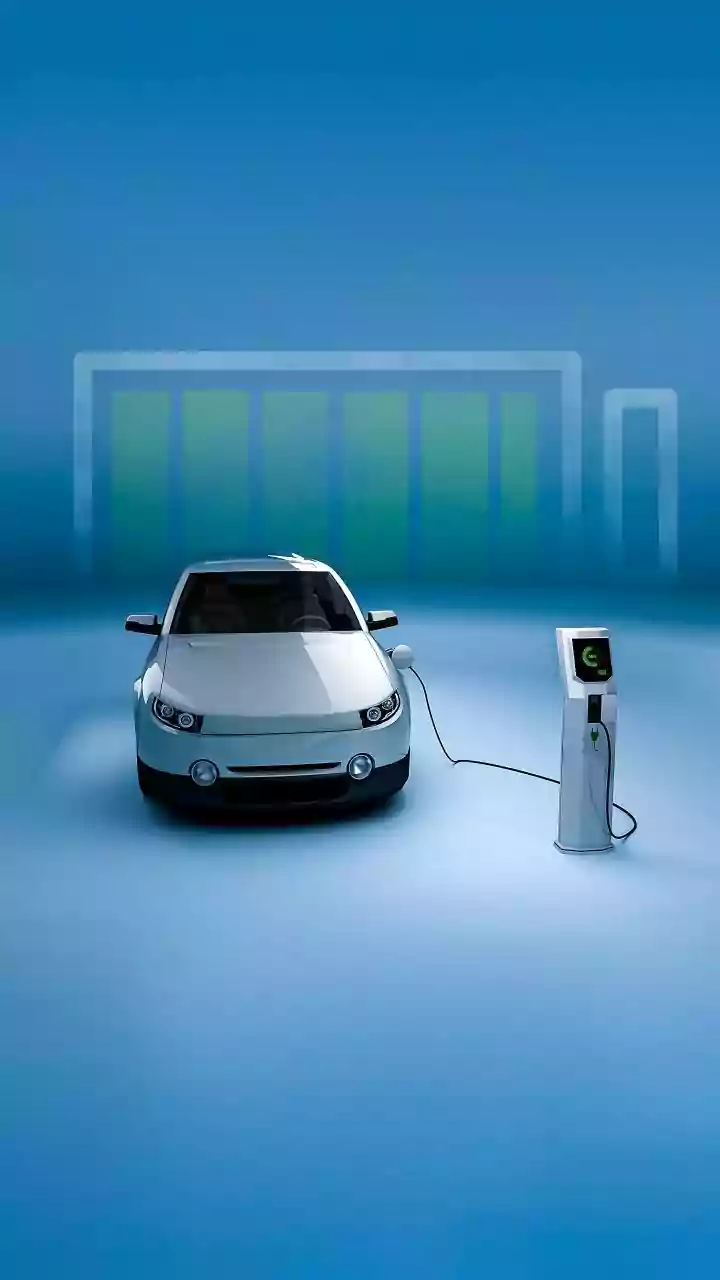
While the battery industry, including major players, is intensely focused on developing ultra-fast charging capabilities, the challenge of maintaining such speeds in sub-zero temperatures persists. The recently unveiled aluminum-based battery technology holds the potential to offer a dual advantage: not only rapid charging but also robust performance in freezing conditions. This development, though still in its early stages, could dramatically alter the EV landscape for those living in or traveling through colder climates. If successfully scaled for mass production, it could alleviate a major concern for potential EV buyers, making electric mobility a more viable and convenient option year-round. Continued validation and further research are essential to bring this innovation from the lab to the road, but it underscores the rapid pace of battery technology evolution.