









Selective Cellular Attack
Recent scientific investigations have unveiled a fascinating way vitamin C can be employed to fight cancer. Researchers have identified that vitamin C can specifically
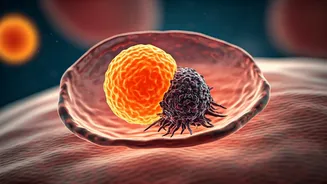
target and eliminate cancerous cells by exploiting a weakness in their DNA repair processes. This breakthrough presents exciting new avenues for developing cancer treatments that are potentially more effective and significantly less harsh on the body. The study, published in the prestigious journal Nature, details how vitamin C, in its oxidized form known as ascorbate radical, can inflict DNA damage within cancer cells that possess a compromised specific DNA repair pathway. When this damage goes unrepaired, it triggers a cell death process. Importantly, normal, healthy cells, which maintain intact DNA repair systems, are largely unaffected by this mechanism. This selective toxicity is a critical advantage, as it substantially reduces the harm to healthy tissues, a persistent challenge encountered with conventional chemotherapy. The research team, spearheaded by Dr. Lewis Cantley at Weill Cornell Medicine, concentrated their efforts on cancer cells bearing mutations in the KRAS gene, a common characteristic in numerous aggressive cancers, including pancreatic, lung, and colorectal forms. These KRAS mutations frequently compel cancer cells to rely on alternative DNA repair pathways, rendering them more vulnerable to the effects of vitamin C. Dr. Cantley stated, 'Our findings suggest that vitamin C could be used as a therapeutic agent to treat cancers that are driven by KRAS mutations. This is a significant step forward in our understanding of how to target these difficult-to-treat cancers.'
From Lab to Mice
The research extended beyond theoretical exploration, encompassing both laboratory experiments and studies conducted on animal models. In vitro tests demonstrated that treatment with vitamin C led to a notable decrease in tumor growth among mice afflicted with KRAS-mutant cancers. The scientists observed that the vitamin C was transformed into reactive oxygen species (ROS) within the cancer cells. These ROS subsequently caused damage to the DNA. Cancer cells that had weakened DNA repair mechanisms were unable to manage this ROS-induced damage, ultimately leading to their destruction. Furthermore, the study indicated that the efficacy of vitamin C therapy might be amplified when administered in conjunction with other treatments designed to further impair DNA repair in cancer cells. This could involve leveraging existing chemotherapy drugs or novel targeted therapies. The potential for vitamin C to serve as an adjuvant therapy, enhancing the effectiveness of other treatments, represents another highly promising aspect of this research. While these findings are encouraging, it is crucial to acknowledge that this research is still in its nascent stages. Further clinical trials are essential to validate these results in human patients and to establish optimal dosages and treatment regimens. Nevertheless, this discovery offers a glimmer of hope for developing innovative strategies to combat some of the most formidable types of cancer. The research received financial backing from grants provided by the National Institutes of Health and the Pancreatic Cancer Action Network.
Pauling's Legacy Re-examined
Intravenous administration of vitamin C is emerging as a potential aid in fighting cancer and alleviating treatment-related side effects, though its use remains experimental. The groundbreaking, albeit controversial, theories of Linus Pauling, a Nobel laureate renowned for his contributions to chemistry and molecular biology, are being revisited. While Pauling's initial claims about vitamin C as a universal cancer cure were largely dismissed by the medical community and even overshadowed by his passing from cancer at 93, modern research is suggesting a partial validation of his core idea. Decades later, scientists are re-evaluating whether vitamin C, when administered in extremely high doses and under specific conditions, can function more akin to a chemotherapy agent than a simple dietary supplement. Pauling's early work in the 1970s with physician Ewan Cameron involved treating advanced cancer patients with high-dose vitamin C, administered both intravenously and orally. They reported improved survival and quality of life for treated patients. However, subsequent clinical trials conducted by the Mayo Clinic, using only oral vitamin C tablets, failed to replicate these results, leading many to dismiss Pauling's claims. The critical distinction, often overlooked, was the route of administration. Oral vitamin C is subject to absorption limits, with blood levels plateauing regardless of the dose. In contrast, intravenous administration can achieve drastically higher blood concentrations, unlocking distinct biological effects.
The Intravenous Advantage
The pivotal difference lies in the method of delivery: intravenous versus oral. While standard dietary levels of vitamin C act as antioxidants, protecting cells, the extremely high concentrations achieved through intravenous infusion can fundamentally alter its role. At these elevated levels, particularly in proximity to tumors, vitamin C can transition from a protective agent to one that generates hydrogen peroxide, a reactive substance capable of damaging cells. Cancer cells, already under significant stress due to rapid growth, often in oxygen-deprived environments and possessing compromised internal defense mechanisms, are particularly susceptible to this induced damage. The influx of hydrogen peroxide can overwhelm their cellular repair systems, leading to DNA damage and cell death, while healthier cells with more robust defenses are better equipped to withstand the onslaught. This allows high-dose intravenous vitamin C to operate more like a selective, albeit mild, chemotherapy drug. It's crucial to emphasize that these therapeutic effects are largely unattainable through oral supplementation. While human studies are still in their early phases and present mixed results, some small trials involving intravenous high-dose vitamin C in patients with difficult-to-treat cancers like pancreatic, ovarian, and brain tumors have shown promising tolerability, with many patients receiving large doses several times weekly without severe adverse reactions. However, potential risks exist, especially for individuals with compromised kidney function or certain rare genetic conditions, underscoring that this is not a casual wellness treatment.
Quality of Life and Future Prospects
Beyond direct anti-cancer effects, a consistent observation across some studies is the improvement in patient quality of life. When vitamin C infusions are administered alongside conventional chemotherapy, patients frequently report reduced fatigue, decreased pain, and fewer side effects like nausea. For individuals battling advanced cancer, these improvements can be profoundly meaningful, even if not constituting a complete cure. Emerging laboratory work also suggests subtler roles for vitamin C in cancer. It's involved in epigenetic modifications, influencing how DNA is regulated and expressed, and plays a part in cellular division and responses to low oxygen environments – all critical factors in cancer's behavior. Some experiments indicate that high vitamin C levels can slow cancer cell growth and enhance their susceptibility to other treatments. There are even preliminary suggestions that vitamin C might bolster the immune system's ability to identify and attack tumors, though this remains a speculative area. Therefore, while Linus Pauling's initial enthusiasm may have outpaced the scientific understanding of his time, he may have intuitively grasped a kernel of truth. His promotion of vitamin C tablets as a widespread cancer cure has not been supported by rigorous trials, which found no significant increase in survival for oral high-dose vitamin C. However, his intuition that very high doses, delivered intravenously, could yield distinct and beneficial effects is now gaining traction. The scientific community awaits larger, randomized controlled trials to definitively establish the life-prolonging benefits of high-dose intravenous vitamin C. Until then, it remains an experimental treatment, holding promise for further study and careful application within clinical settings, rather than as a standalone therapy or an unproven 'immune boost.'