








Mission's Unraveling
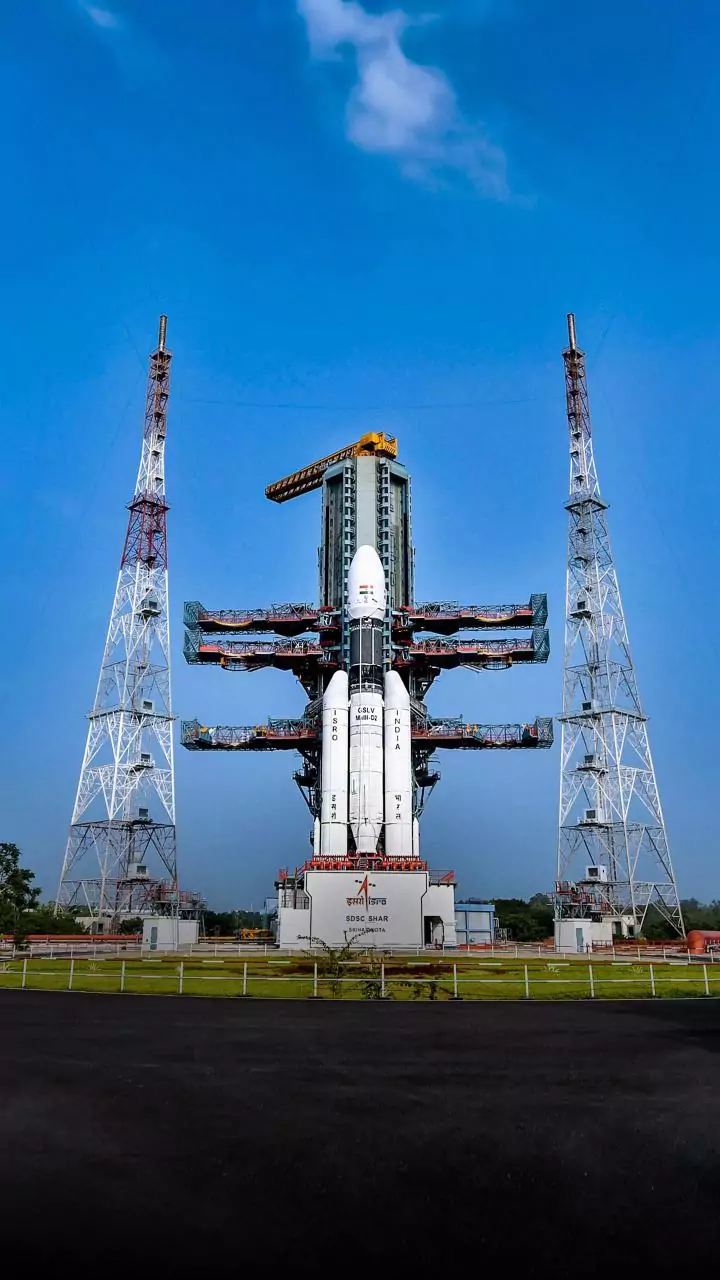
The PSLV-C62 mission, a venture of significant importance for ISRO, experienced an unexpected failure. Details surrounding the mission’s malfunction are
crucial to understanding the implications. The specifics of what went wrong are essential for a complete analysis. The goal is to discover the precise moments leading up to the failure. This helps ISRO understand how this failure took place. Examining every step is key for identifying the points of breakdown and implementing corrective measures. The details surrounding the mission's failure demand close attention from all. The goal of this analysis is not just to understand the present failure. This understanding is also aimed at preventing future occurrences. The information collected from this investigation will shape ISRO's protocols. This makes the mission outcomes safer and more reliable. It is important to know the exact moments of the failure. This gives a clearer image of where improvements are needed. This detailed approach is not merely about finding fault. It is focused on improving ISRO's future missions and enhancing its standing in the space industry. With this detailed information, the goals of ISRO can be further reached and met.
Identifying the Root
Investigating the root causes of the PSLV-C62 failure is of utmost importance for ISRO. It is important to pinpoint the reasons behind the mission's unsuccessful outcome. This is to avoid repeating similar mistakes in the future. Possible contributing factors range from technical problems to issues in the development and assembly processes. Analyzing the propulsion systems, structural integrity, and electronic systems is vital for identifying any flaws. Conducting comprehensive testing and rigorous reviews can unearth underlying issues. This can help to improve mission reliability. The investigation should thoroughly examine all the elements. This includes the hardware, software, and operational procedures involved in the mission. A complete root cause analysis demands the involvement of experts in different fields. It also requires the application of sophisticated investigative methods. This comprehensive approach ensures that every possible explanation is carefully evaluated. It also helps to develop targeted and effective solutions. The aim is not just to identify the immediate triggers. It is to address the underlying issues. This will help to reduce the risks of future failures. Such methodical investigation enhances ISRO's capabilities. It improves the chances for successful missions. The investigation serves as an investment in the future of space exploration. It secures ISRO's position as a global leader.
Revamping Quality Assurance
Rebuilding quality assurance protocols is crucial for ISRO. The recent failure stresses the need for stringent measures. This will ensure that all the future missions are successful. An assessment of current practices can help to uncover weaknesses and flaws. A major priority is to enhance the processes for testing and verification. This means that every component and system is subjected to the strictest standards. Implementing detailed documentation and meticulous record-keeping is crucial. This will enable comprehensive traceability. It also enables thorough analysis when problems occur. Promoting a culture of vigilance and diligence throughout the organization is necessary. This will ensure everyone is committed to maintaining high standards. Regularly reviewing and updating the quality assurance guidelines is essential. This should be based on lessons learned from past missions. It also ensures that the organization keeps pace with technological advancements. ISRO's long-term success is closely linked to its ability to make rapid improvements. The overall goal is to enhance the reliability of its missions. These steps are a demonstration of ISRO's dedication to operational excellence. Such actions are indispensable for maintaining ISRO's reputation.
Long-Term Repercussions
The PSLV-C62 failure may have extensive consequences. It is essential to analyze these effects to determine the long-term impact on ISRO's operations. This mission’s failure could bring delays to subsequent launches. This may affect space programs. It could also influence the organization's credibility. It is crucial to determine how the failure will affect ongoing projects and commitments. It may also affect collaborations with other space agencies. It is critical to investigate the economic aspects of the mission's failure. This is to quantify any possible financial implications. It is also important to consider the impact on any associated contracts. Furthermore, the failure could impact ISRO’s ability to attract investments. It can also influence partnerships. The key is to address any challenges proactively. This includes improving risk management strategies and strengthening communication. This proactive approach shows the organization's strength. It also shows a dedication to overcoming adversity. ISRO's ability to deal with challenges determines its long-term health. Overcoming these difficulties is crucial for ISRO's place in the space industry.
Future Mission Success
ISRO's future mission success depends on several factors. The first is to take lessons from the PSLV-C62 failure. Also important are the continuous improvements to its launch systems and operational strategies. The organization must increase its investment in research and development. This will allow ISRO to stay at the leading edge of space exploration technology. It will also help to secure a competitive edge. ISRO should reinforce its team. This will enhance the skills and expertise of its personnel. Partnerships with academic institutions and other organizations can accelerate innovation. Building stronger quality assurance protocols is key. This will ensure dependability and efficiency in every mission. Prioritizing transparency and openness in communication will boost public trust. Also, it will improve global collaborations. ISRO should embrace a culture of learning and continuous improvement. This is important to adapt to changes and take advantage of new possibilities. This proactive and focused strategy is important. This will strengthen ISRO's prospects for future successes. ISRO can fulfill its mission ambitions. It can also cement its position as a global leader in space exploration.