







Filter First: Cleanliness is Key
The most accessible yet often overlooked component of your air conditioner is its filter. This crucial part acts as the first line of defense against dust,
pollen, pet dander, and other airborne irritants, preventing them from entering the AC system. After months of inactivity during cooler seasons, these filters can become heavily clogged, severely impeding airflow. To prepare for summer, it's essential to remove these filters from the indoor unit – usually accessible by opening the front panel. Gently wash them with a mild soap and water solution, employing a soft brush to dislodge any stubborn debris. Ensure they are thoroughly dried in the shade before reinstallation; never operate the unit with damp filters. If any filters are found to be torn or structurally unsound, they must be replaced promptly, as damaged filters permit dust to bypass them and accumulate on the evaporator coils, leading to more complex and costly issues. For optimal performance and improved indoor air quality, aim to clean filters monthly during active use and replace them every three to six months, depending on your local air quality.
Outdoor Unit Vitality Check
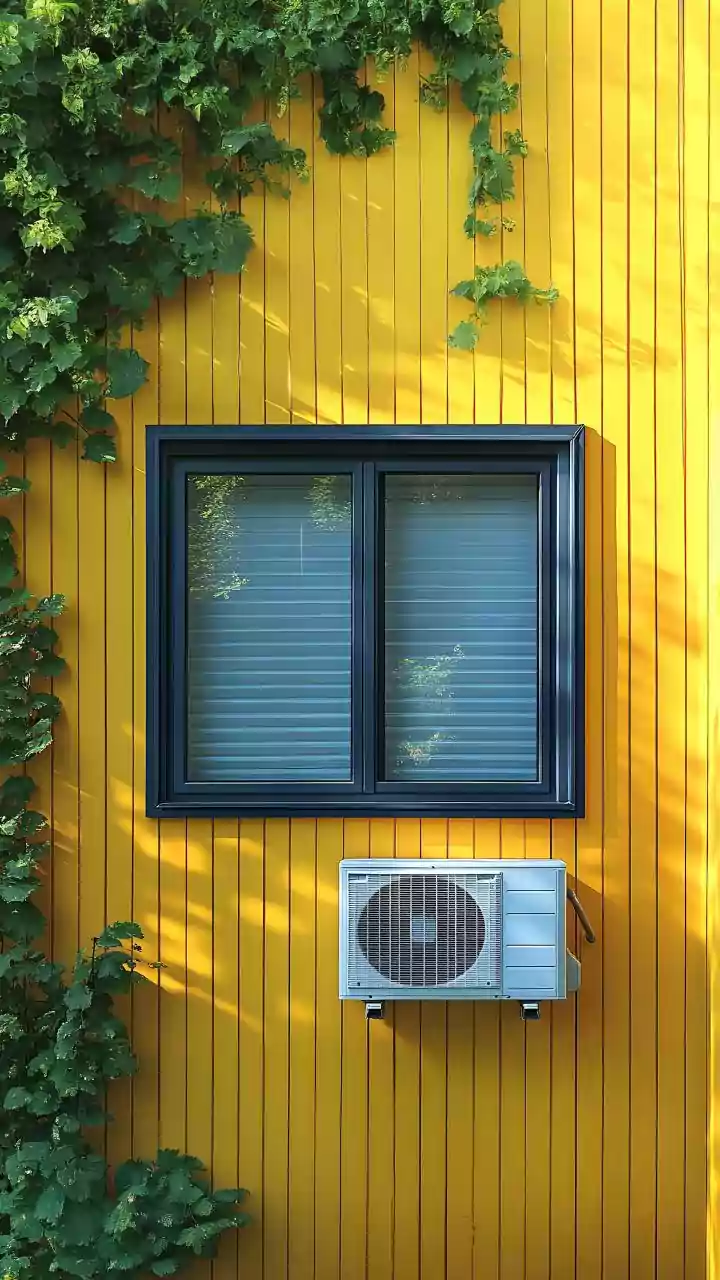
The outdoor unit of your AC is where the heavy lifting happens, expelling heat from your home into the external environment. For this unit to operate efficiently, it requires unrestricted airflow from all directions. However, outdoor units are frequently encumbered by encroaching vegetation, accumulated dust and grime from the previous season, or stored items placed too close. Before activating your AC for the summer, it is imperative to clear a radius of at least two to three feet around the unit. Trim back any plants or shrubbery that may have grown too near. Remove any objects that are obstructing the space. Gently wipe down the exterior surfaces and inspect the fins, those thin metal slats visible through the unit's grille, ensuring they are not bent or obstructed. The condenser coils within this unit can also become laden with dirt, significantly hindering their ability to dissipate heat. This forces the compressor to work overtime, escalating power consumption. While a garden hose can be used to carefully flush out debris, it is highly recommended to engage a professional for a thorough cleaning of the condenser coils and fins, as they possess the expertise to disassemble the unit safely and avoid damaging delicate components.
Inspect Refrigerant Lines
The insulated pipes connecting your indoor and outdoor AC units are vital conduits for refrigerant, the substance that facilitates heat transfer from your living space to the exterior. This insulation, typically made of foam, is susceptible to degradation over time, developing cracks, fraying, or peeling away in sections. When this protective layer is compromised, the refrigerant loses its efficiency as it circulates, resulting in longer operational cycles, reduced cooling capacity, and increased electricity usage. It is essential to visually inspect these coolant lines wherever they are exposed, looking for any signs of missing or damaged insulation. Addressing these insulation issues is a relatively straightforward and inexpensive repair that a qualified technician can perform, but it's easily overlooked if not specifically checked.
Professional Coolant Check
While many AC maintenance tasks can be performed at home, checking and recharging refrigerant levels is a job that unequivocally requires a certified technician equipped with specialized tools. Insufficient refrigerant will directly impact your AC's cooling performance, causing it to struggle to reach the set temperature. The compressor will consequently run for extended periods without achieving the desired cooling, leading to heightened energy consumption and strain on the unit. If you noticed poor cooling towards the end of the previous summer, low refrigerant levels are a likely culprit. Before the initial heatwave hits, have a technician assess the refrigerant pressure. If the levels are found to be low, it often indicates a leak somewhere in the system that must be located and sealed before any refrigerant is replenished. Simply adding more gas without fixing the leak offers only a temporary solution.
Thermostat Strategy for Savings
Optimizing your air conditioner's energy efficiency and keeping your electricity bills in check is significantly influenced by how you set your thermostat. The Bureau of Energy Efficiency recommends a temperature of 24°C as the ideal balance between comfort and energy conservation. For every degree Celsius you lower the thermostat below this optimum, expect your power consumption to increase by approximately 6–8%. A common but counterproductive habit is setting the AC to a very low temperature, such as 18°C, with the mistaken belief it will cool the room faster. This is inaccurate; the AC will reach 18°C, then cycle off, only to restart shortly as the temperature rises quickly at such a low setting. This constant cycling consumes considerably more electricity than maintaining a stable 24°C. For enhanced energy savings, utilize your unit's 'Eco Mode' or any auto-temperature features, which intelligently regulate the compressor cycle to maintain a consistent temperature without excessive cooling, thereby reducing energy usage during prolonged operation.
Clear Indoor Unit Surroundings
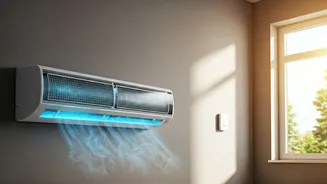
The indoor unit of your air conditioner requires an unobstructed pathway to effectively draw in room air and then circulate the cooled air back into the space. Obstructions such as curtains, shelving units, or furniture positioned directly in front of the unit can impede this crucial airflow. This forces the AC system to exert more effort to achieve the desired temperature, leading to increased energy consumption. Before the summer season commences, verify that the front grille of the indoor unit is not partially obstructed. If you have recently rearranged your living space, take a moment to ensure no furniture has been placed in the direct path of the unit's airflow. Maintaining a clear area both below and in front of the indoor unit is essential for unimpeded air circulation.
Pre-Season Performance Test
To avoid the inconvenience of discovering your air conditioner is not functioning correctly during the first sweltering afternoon, it is imperative to test it well in advance of peak summer. Aim to conduct this test at least two to three weeks before the high-demand season arrives. Power on the unit, select the cooling mode, and allow it to operate for approximately 20 to 30 minutes. During this time, observe whether the room temperature effectively decreases to the set level within a reasonable timeframe. Under standard conditions, a small to medium-sized room should cool from 32°C down to 24°C in about 15 to 20 minutes. If the unit exhibits signs of struggling, blows warm air, produces unusual noises, or cycles on and off frequently, it indicates that professional service is required. Furthermore, running the unit for this initial test helps to dissipate any musty odors that may have accumulated within the indoor unit during its inactive period. It's advisable to leave a window slightly ajar for the first few minutes of operation to ensure adequate ventilation.
When to Call Professionals
While routine tasks like cleaning filters, clearing outdoor units, and inspecting refrigerant line insulation can be handled at home, a professional service offers a more comprehensive assessment and maintenance. A qualified technician will meticulously examine electrical connections, verify precise refrigerant pressure, calibrate the thermostat, and inspect the condensate drainage system. They are also equipped to thoroughly clean evaporator and condenser coils. The drainage pipe, responsible for removing moisture from the indoor unit, can potentially accumulate algae or become blocked during prolonged disuse, leading to water leakage onto floors or walls. Scheduling a professional service appointment prior to April is highly recommended. Once summer is in full swing, demand for service engineers escalates significantly, leading to longer wait times and increased costs for short-notice bookings.
Urgent Warning Signs
Even with regular maintenance, AC units can develop issues that necessitate immediate attention. Persistent water dripping from the indoor unit onto walls or floors is a clear indicator of a blocked drainage pipe. Unusual noises, such as rattling, grinding, or continuous clicking sounds, suggest mechanical problems within the unit. A burning smell emanating from the AC is a serious electrical concern that requires the unit to be shut off immediately and inspected by a technician. If you notice excessive vibration from the outdoor unit's compressor or if the unit repeatedly trips the circuit breaker, turn it off and do not attempt to operate it until it has been professionally examined. These are critical issues that will not resolve on their own and require prompt intervention.