





Orbital Rendezvous Focus
Following the success of Artemis II, NASA is advancing its Artemis III mission, shifting its primary objective to intricate operations within Earth's orbit.
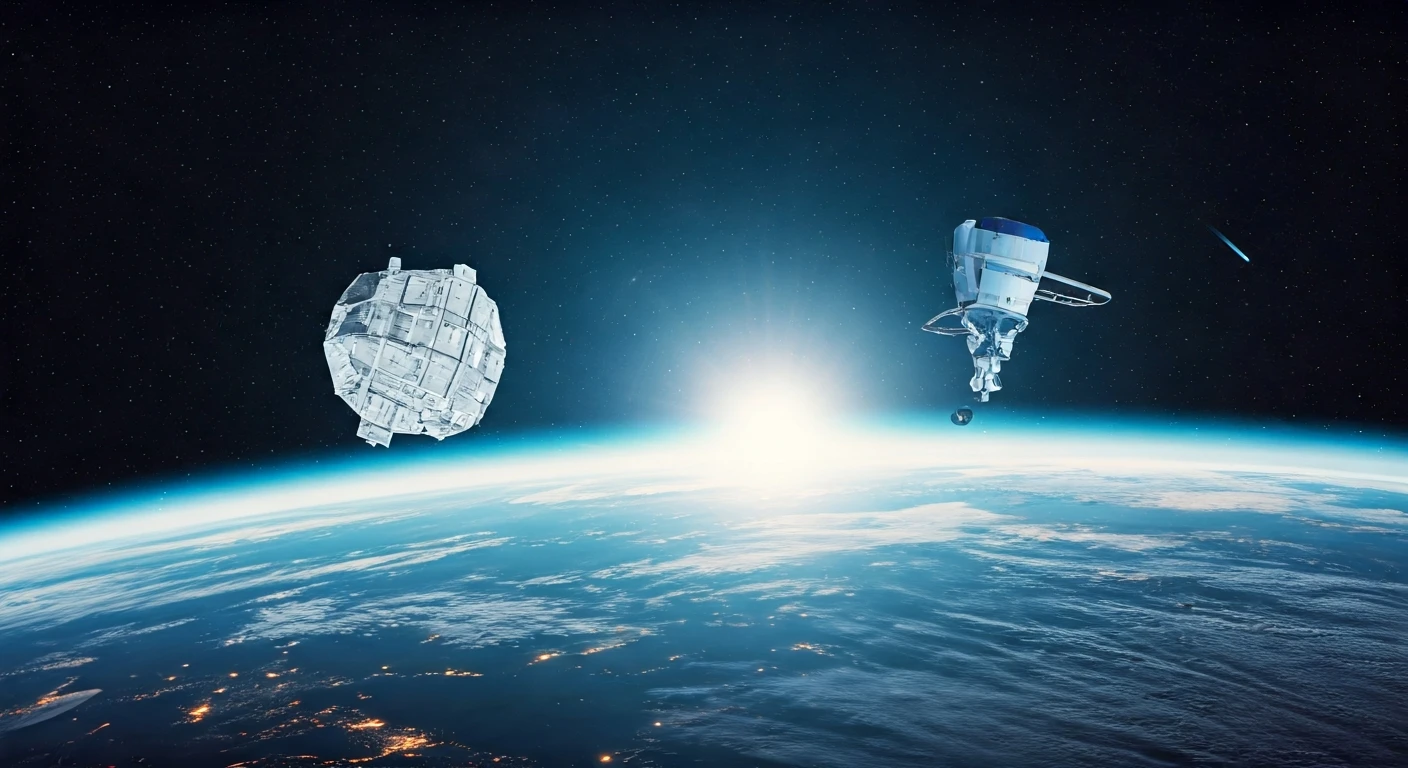
This mission is meticulously designed to hone the critical capabilities of rendezvous and docking. Specifically, it will rigorously test the integration between the agency's Orion spacecraft and the lunar landers developed by commercial partners, Blue Origin and SpaceX. The decision to conduct this Earth-orbit demonstration prior to the final crewed landing missions to the Moon's South Pole region, as scheduled for Artemis IV, underscores NASA's commitment to thorough preparation and risk mitigation. Continuous evaluation of operational considerations is paramount, ensuring that every aspect of Artemis III contributes to a safe and successful lunar landing for future astronauts. This mission is deemed one of NASA's most complex undertakings to date, highlighting the advanced nature of the challenges being addressed. The insights gained from these orbital trials will directly inform the development and execution of subsequent lunar surface operations, making this Earth-orbit phase a foundational element of the entire Artemis program. It's about building confidence and proficiency with the sophisticated systems that will enable humanity's return to the lunar surface and the establishment of a sustained presence.
System Demonstration Goals
The Artemis III mission is fundamentally about demonstrating and validating the essential systems required for a successful human landing on the Moon. While this particular flight will operate in Earth orbit, its significance lies in its role as an indispensable stepping stone towards achieving the ultimate goal of landing astronauts on the lunar surface during the Artemis IV mission. This preparatory flight will meticulously assess the performance of the docking system, allowing the crew to spend an extended period aboard the Orion spacecraft compared to the Artemis II mission. This extended duration is crucial for gathering comprehensive data on how the docking mechanisms perform under various conditions. Furthermore, the mission is geared towards informing and refining concepts for lander rendezvous procedures and habitation strategies during lunar surface missions. The operational data collected will be invaluable in fine-tuning mission protocols and astronaut training. The paramount objective is to ensure that when humans next set foot on the Moon, it is a safe and meticulously planned endeavor, building upon the rigorous testing and validation conducted during Artemis III.
Launch and Integration
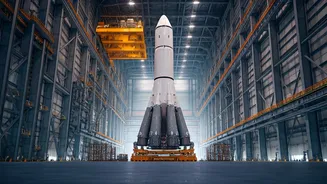
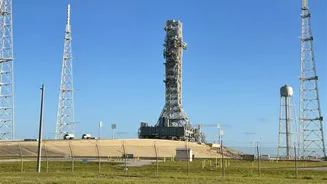
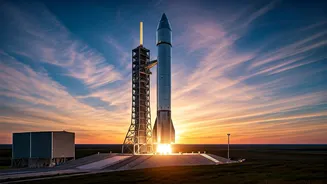
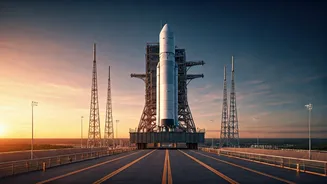
The Artemis III mission will utilize NASA's powerful Space Launch System (SLS), its super heavy-lift rocket, to transport astronauts into lunar trajectory. The SLS will launch the Orion spacecraft, carrying a crew of four astronauts, from the Kennedy Space Center in Florida. Once safely in orbit, Orion will leverage its European-built service module, a significant contribution from the European Space Agency (ESA), to meticulously adjust its path and achieve a stable low Earth orbit. This mission marks a significant step forward in NASA's capability to coordinate complex launch campaigns involving multiple spacecraft simultaneously. It represents an unprecedented integration of new capabilities into the ongoing Artemis operations. By design, the mission emphasizes incorporating a wider array of partners and interconnected operations. This allows for a comprehensive understanding of how Orion, the crew, ground teams, and the hardware and personnel from both commercial lander providers interact and function as a cohesive unit. This intricate coordination is vital before committing astronauts to the lunar surface and the ambitious task of building a Moon base.