






Obesity's Infection Toll
New research highlights a concerning statistic: individuals with obesity are approximately 70% more likely to face severe outcomes from infections, including
hospitalization and death, compared to those with a healthy weight. This substantial link translates to one in every ten global deaths attributed to infections occurring in individuals with obesity. Worryingly, this association persists even in the absence of common comorbidities like diabetes, and remains evident irrespective of socioeconomic standing or regular physical activity levels. The implications of this finding are profound, suggesting a widespread vulnerability that extends beyond typical risk factors. Researchers are actively investigating the complex mechanisms by which excess body fat compromises the body's ability to fend off pathogens, a puzzle that gained prominence during global health crises.
Immune System Compromise
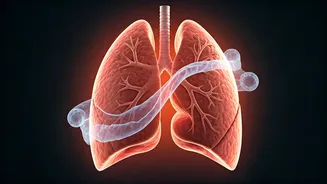
The increased susceptibility to severe infections in individuals with obesity stems from a multifaceted impact on the immune system. Extra adipose tissue can disrupt the optimal functioning of the lymphatic system, which plays a crucial role in transporting immune cells and maintaining fluid balance throughout the body. Furthermore, obesity is often associated with reduced lung capacity, making individuals more vulnerable to respiratory infections. A key factor is also the presence of chronic, low-grade inflammation, a persistent state of heightened immune response that can paradoxically impair the body's ability to mount an effective defense against acute threats. This constant inflammatory environment may contribute to immune cell exhaustion and reduced responsiveness, leaving individuals less equipped to combat invading microorganisms.
Weight and Risk Correlation
The severity of obesity directly correlates with an increased risk of severe infections, as evidenced by recent studies. Individuals classified as having obesity (BMI of 30 or higher) exhibit a significantly higher chance of hospitalization or succumbing to infections. Specifically, those with a BMI ranging from 30 to 34.9 face a 50% elevated risk. This risk escalates substantially with higher BMIs; individuals with a BMI between 35 and 39.9 face double the risk, while those with a BMI of 40 or above experience a threefold increase in their likelihood of experiencing severe infection outcomes. Importantly, this relationship is not static; studies involving participants with repeated obesity measurements have shown that fluctuations in weight correspond to changes in infection risk, with weight loss generally leading to a reduction and weight gain to an increase in this risk.
Understanding the Mechanisms
While the link between obesity and heightened infection risk is well-established, the precise biological mechanisms are still under investigation. Scientific evidence suggests a deep interconnectedness between adipose tissue and the immune system. Fat cells themselves, and the precursor cells that develop into them, can produce pro-inflammatory substances that contribute to a state of chronic inflammation. This persistent inflammatory environment may hinder the immune system's ability to function effectively. Additionally, obesity is associated with a reduced sensitivity to leptin, a hormone that not only regulates appetite and body weight but also plays a vital role in immune defense. This hormonal imbalance can further compromise the body's capacity to fight off infections, making individuals more susceptible to severe illness.
Future Research Directions
The ongoing research into the intricate relationship between obesity and infection susceptibility is crucial for developing effective interventions. Scientists are actively exploring how to best mitigate this increased risk, with future investigations focusing on understanding the precise pathways through which obesity compromises immune function. A key area of inquiry involves examining the potential impact of weight management interventions, including the growing class of medications like semaglutide (GLP-1 agonists), on infection risk. While these drugs show promise in aiding weight loss, their influence on immune responses, particularly concerning potential muscle mass loss, requires further study. Ultimately, the goal is to identify actionable strategies that can reduce the burden of severe infections in populations affected by obesity.