

The Von Neumann Vision
The concept of machines that can replicate themselves, known as 'Von Neumann machines,' was first theorized by mathematician John von Neumann in 1945.
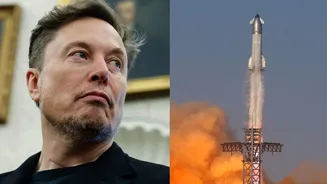
This idea, which has long been a staple of science fiction, envisions autonomous systems capable of creating copies of themselves, potentially using available resources. While this concept has remained largely in the realm of imagination for decades, recent advancements in artificial intelligence and robotics, particularly those spearheaded by Elon Musk, are bringing this futuristic notion closer to reality. Musk's ambitious plans for his Optimus humanoid robot suggest a future where such self-replicating capabilities might be integrated, marking a significant leap from theoretical possibility to practical application. This ambition is further fueled by the strategic consolidation of his tech ventures, hinting at a synergistic approach to developing advanced technologies that could underpin such a monumental undertaking.
Optimus: A New Dawn
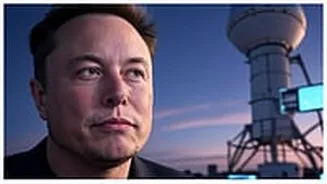
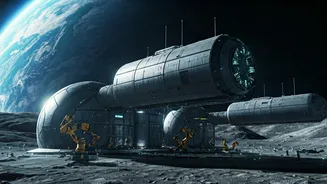
Elon Musk has publicly stated his belief that the Optimus robot could be the pioneering 'Von Neumann machine.' The implication is that Optimus, in its advanced form, would possess the intelligence and capability to not only perform complex tasks but also to autonomously construct more of its kind. This vision extends beyond mere production; Musk suggests Optimus could be instrumental in establishing entire civilizations, potentially on planets other than Earth. While acknowledging that significant development is still required, Musk has described Optimus as potentially the 'biggest product ever' created by humanity. The robot's future capabilities would include self-diagnosis and repair, identifying and rectifying its own operational shortcomings, and utilizing local materials for construction, both of robots and habitats, on off-world locations. This transformative potential underscores the groundbreaking nature of the Optimus project.
Building Beyond Earth
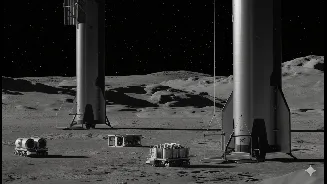
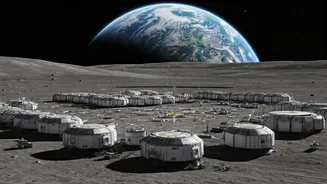
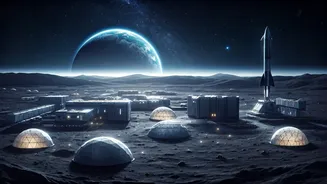
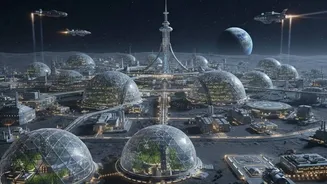
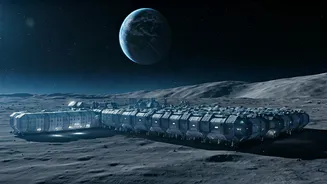
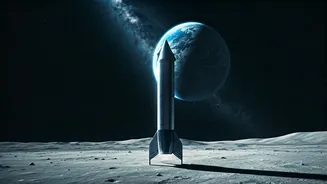
The potential for Optimus to serve as a 'Von Neumann machine' is intrinsically linked to Musk's broader ambitions for space exploration and colonization. With companies like SpaceX working on space infrastructure and xAI providing advanced artificial intelligence, the synergy between these ventures could accelerate the realization of this vision. The idea of terraforming or establishing self-sustaining colonies on celestial bodies like the Moon and Mars necessitates autonomous systems capable of extensive construction and resource management. Optimus, if equipped with self-replication and advanced building capabilities, could be the perfect candidate to spearhead these efforts. This would allow for the establishment of human presence and infrastructure far from Earth, managed and expanded by intelligent robotic systems, paving the way for a multi-planetary future.
Societal Impact on Earth
Beyond its potential for extraterrestrial endeavors, the advancements powering Optimus also hold profound implications for life on Earth. Musk has expressed a vision where Optimus robots could significantly alter the landscape of human labor, potentially making arduous or repetitive jobs obsolete and contributing to the eradication of poverty. By automating various tasks and increasing productivity, these advanced humanoid robots could free up human potential for more creative and fulfilling pursuits. The focus on mass-producing Optimus for widespread adoption suggests a desire to integrate these robots into everyday life, allowing people to experience their capabilities firsthand. This dual focus on both pioneering space colonization and revolutionizing terrestrial society highlights the far-reaching impact of Musk's robotic aspirations.