


Early Universe Probing
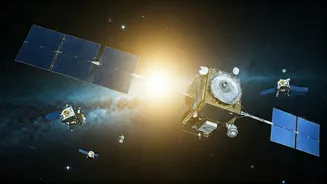
The James Webb Space Telescope (JWST), a marvel of modern engineering, has been instrumental in exploring the very beginnings of the universe. Its unparalleled
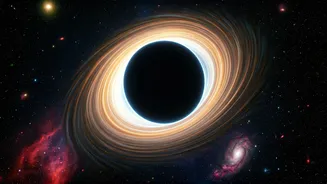
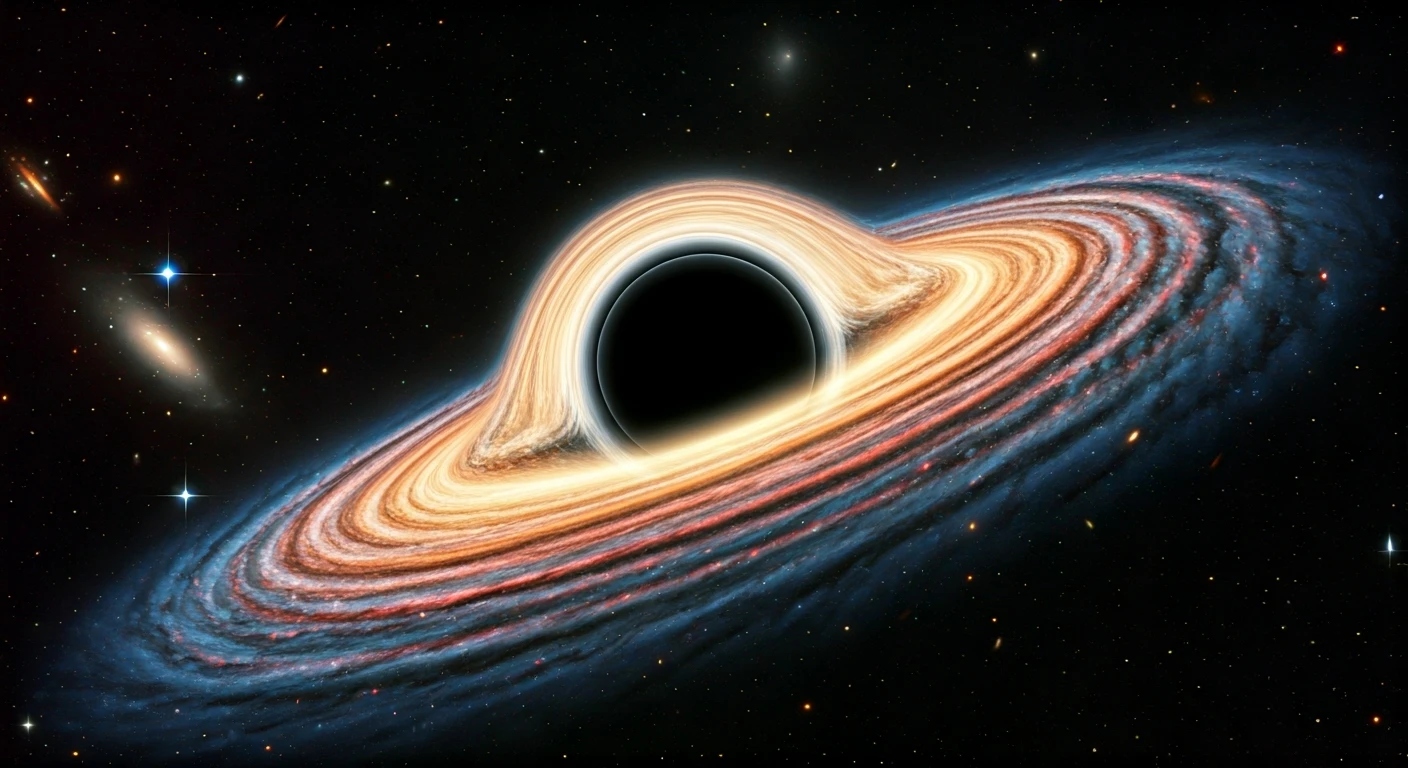
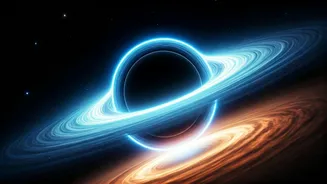
ability to detect infrared light allows astronomers to observe objects located billions of light-years away, effectively looking back in time. This has been especially fruitful in the hunt for the earliest supermassive black holes. These celestial entities, with masses millions or even billions of times that of our sun, are believed to reside at the center of most galaxies. However, how these supermassive black holes formed so early in the universe’s history has been a long-standing mystery. JWST is changing this by delivering unprecedented data, shedding light on the formation mechanisms and the environments where these early behemoths emerged, paving the way for astronomers to understand their growth.
Supermassive Black Holes
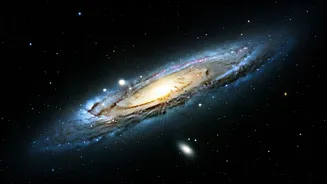
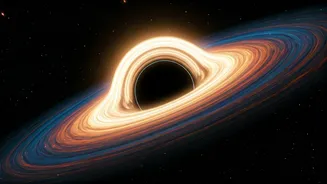
Supermassive black holes are at the hearts of almost all galaxies, including our own Milky Way. Their colossal gravitational pull influences the structure and evolution of the galaxies they inhabit. Observations made by JWST provide critical details about how these objects came to be. Several theories have been proposed, including the direct collapse of massive stars, mergers of smaller black holes, and the continuous accretion of gas and dust. JWST's data, which reveals detailed information regarding the chemical composition and the surrounding environments of the galaxies where these black holes reside, aids scientists in evaluating and refining these theories. This helps unravel the processes that led to the formation of the first supermassive black holes, pushing the frontiers of cosmological understanding.
JWST's Revelations
The JWST has unveiled several key revelations. It has identified galaxies hosting supermassive black holes much earlier in the universe's history than previously thought. The telescope's instruments can discern light from the early universe, allowing astronomers to examine the properties of these distant objects. Through spectroscopic analysis, JWST is able to detect the elements within the galaxies and the physical conditions of the surrounding matter near the black holes. This data has enabled scientists to measure the growth rates of black holes, explore the environments that facilitated their formation, and search for evidence of interactions with their host galaxies. These insights help in creating a clearer picture of how black holes formed and evolved during the universe's infancy.
Galaxy Environment Studies
The environment in which a black hole exists plays a crucial role in its growth and evolution. JWST is helping scientists study these environments with unprecedented detail. Observations indicate that the galaxies hosting the earliest supermassive black holes were rich in gas and dust. This material acted as the fuel that fueled black hole growth, feeding these objects at a rapid pace. Studying the distribution of elements and the presence of intense star formation, astronomers can reconstruct the dynamics of these early galaxies. This provides insight into how black holes interacted with their host galaxies and how the gravitational forces affected the cosmic structures. JWST’s data offers a detailed account of the conditions that fostered the formation of the first supermassive black holes.
Future Research Directions
The exploration of early supermassive black holes through JWST is an ongoing endeavor. Future research includes expanding the search for even earlier and more distant objects, pushing the telescope's capabilities to their limits. Scientists are planning to analyze larger samples of galaxies to identify patterns in black hole formation and evolution. Advanced simulations and theoretical models are being developed to interpret the observational data from JWST. The goal is to create a complete understanding of how supermassive black holes originated and have shaped the cosmos. This research will enhance our fundamental understanding of the universe's formation and the role of black holes in shaping the structures we see today.