







Rejuvenating Neural Stem Cells
Researchers at the National University of Singapore have made a significant breakthrough, identifying a critical protein that appears to reverse the aging
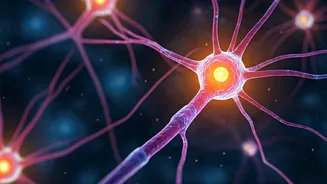
process in neural stem cells. These cells are fundamental for generating new neurons, a process vital for learning and memory. As we age, this regenerative capacity diminishes, leading to cognitive decline. This newly discovered protein acts like a molecular switch, restoring the youthful vigor and regenerative potential of these essential brain cells. The findings, published in Science Advances, offer profound insights into the mechanisms of brain aging and open exciting possibilities for interventions aimed at preserving cognitive health throughout life. By understanding how this protein functions, scientists are paving the way for potential treatments that could slow or even reverse age-related cognitive impairments.
The Role of DMTF1
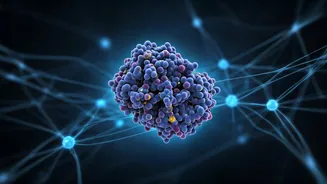
At the heart of this discovery is a protein known as cyclin D-binding myb-like transcription factor 1 (DMTF1). Transcription factors are essentially the conductors of our genetic orchestra, dictating which genes turn on and off and ensuring cells perform their designated roles. The NUS team's extensive research revealed that DMTF1 plays a pivotal role in maintaining the health and function of neural stem cells as the brain ages. When DMTF1 levels drop, as observed in aged stem cells, the brain's ability to create new neurons suffers. This suggests DMTF1 is a central player in the aging brain's biological narrative. The study meticulously mapped DMTF1's activity across the genome, showing how it influences gene expression and ultimately impacts the stem cells' capacity for regeneration. This detailed understanding of DMTF1's function is crucial for developing targeted therapies.
Telomeres and Regeneration
The research delved into the connection between DMTF1 and telomeres, the protective caps at the end of our chromosomes that shorten with each cell division, serving as a biological clock for aging. The scientists specifically investigated how DMTF1 behaves in neural stem cells where telomeres have been damaged, a condition that mimics accelerated aging. They observed a significant reduction in DMTF1 in these 'aged' neural stem cells. Crucially, the experiments demonstrated that simply reintroducing or reactivating DMTF1 was sufficient to restore the cells' regenerative capabilities. This remarkable finding positions DMTF1 as a highly promising therapeutic target for maintaining the vitality of neural stem cells in an aging brain. The study also highlighted DMTF1's previously unrecognized role in regulating specific helper genes, like Arid2 and Ss18, which are essential for making DNA more accessible and activating other genes involved in cell growth and proliferation. Without proper regulation by DMTF1, neural stem cells lose their ability to self-renew.
Future Cognitive Health
The implications of this research for cognitive health are substantial. Impaired regeneration of neural stem cells has long been linked to neurological aging, hindering the creation of new cells necessary for sharp learning and robust memory. While previous studies hinted that defective neural stem cell regeneration might be partially reversible, the precise molecular mechanisms remained elusive. This study provides a much clearer understanding of these mechanisms, offering a stronger foundation for investigating age-related cognitive decline. Enhancing the expression or activity of DMTF1 could potentially lead to therapies that reverse or significantly delay the age-associated decline in neural stem cell function. Although the current findings are largely based on laboratory experiments, the researchers aim to explore whether boosting DMTF1 can indeed lead to more neural stem cells and improved learning and memory in aging models, all while ensuring safety and avoiding an increased risk of brain tumors. The ultimate goal is to discover small molecules capable of boosting DMTF1's activity to rejuvenate aged neural stem cells.