
Solar Maximum's Impact
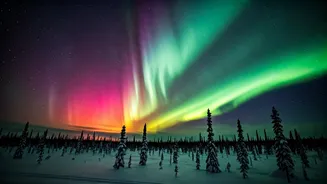
The spectacular displays of the Northern Lights, also known as aurora borealis, are directly connected to solar activity. The sun goes through periods
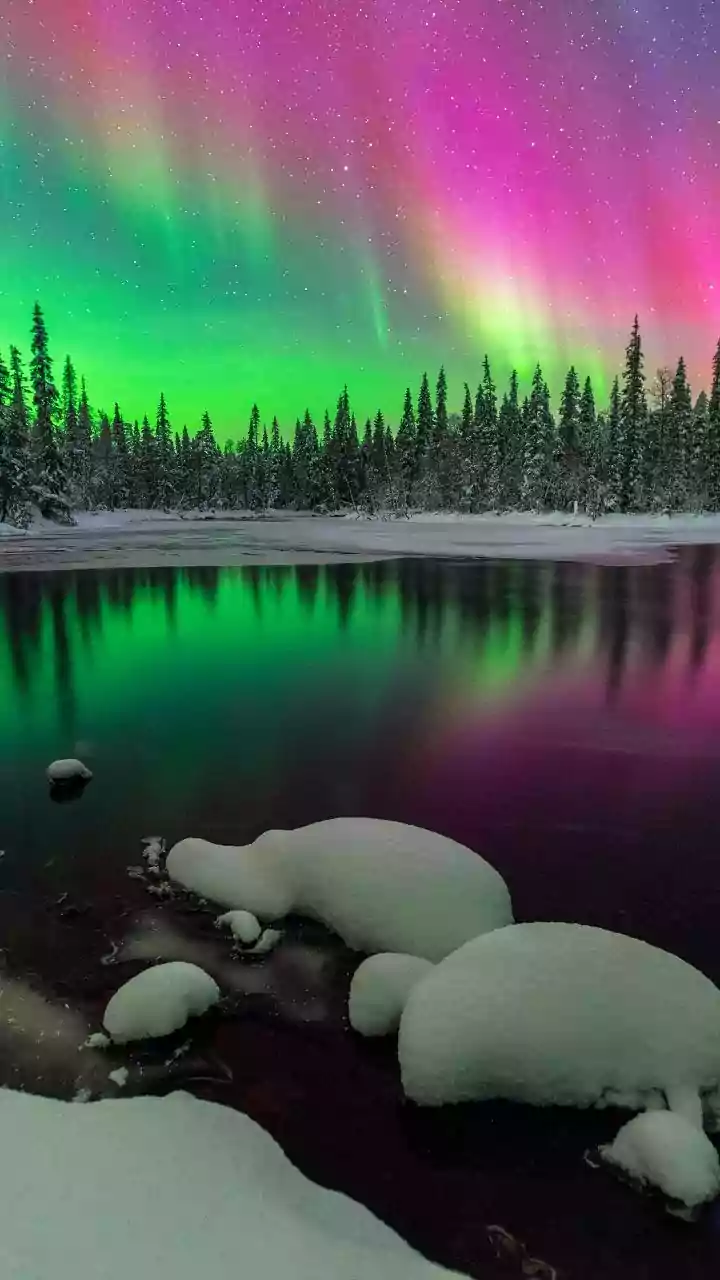
of increased activity, a phase often referred to as 'solar maximum.' During this time, the sun emits a greater amount of charged particles, leading to more frequent and intense geomagnetic storms. These storms are the main drivers of the auroras. As the charged particles from the sun interact with the Earth's magnetic field and atmosphere, they cause the atmospheric gases to glow, producing the colorful light shows. The higher the solar activity, the more frequent and vibrant the auroras become. This makes 2026, which is anticipated to be near a solar maximum, an exceptional year for viewing the Northern Lights.
Predicting the Displays
Forecasting aurora activity involves several factors, with the solar cycle being a crucial one. Scientists monitor solar flares, coronal mass ejections (CMEs), and solar wind speed to predict the likelihood of aurora displays. Space weather agencies provide alerts and forecasts that can help enthusiasts plan their viewing experiences. The intensity of an aurora is measured using the Kp index, which ranges from 0 to 9, with higher numbers indicating stronger geomagnetic activity and more visible auroras. Monitoring this index, along with real-time solar data, provides valuable insights into when and where the auroras might be visible. These tools help observers worldwide to improve their chances of witnessing the spectacular beauty of the Northern Lights.
Ideal Viewing Conditions
To maximize your chances of seeing the Northern Lights, several factors come into play. Clear, dark skies are essential. Light pollution from cities and towns can significantly diminish the visibility of the auroras, so finding a location far from urban areas is recommended. A dark sky allows the faint lights of the auroras to be seen more easily. Another important factor is the geographic location. The auroral oval, a ring-shaped region around the Earth’s magnetic poles, is where auroras are most frequently seen. Locations at higher latitudes, such as in the Arctic and Antarctic regions, offer the best viewing opportunities. Additionally, the time of year impacts visibility, with the long, dark nights of winter providing the optimal conditions for viewing the Northern Lights. Combining these factors offers the best conditions to witness the spectacular celestial dance.
Best Viewing Locations
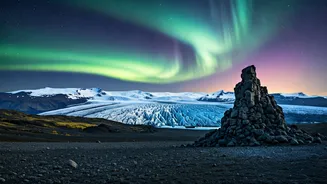
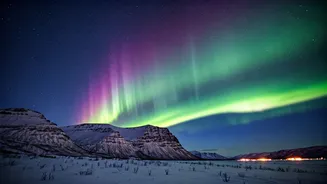
Numerous locations around the globe provide outstanding opportunities to witness the Northern Lights. In the Northern Hemisphere, countries like Iceland, Norway, Sweden, Finland, and Canada are renowned for their prime viewing locations. Iceland, with its unique landscapes, offers stunning backdrops for aurora photography. Northern Norway provides the chance to see the lights from the sea, enhancing the experience. In North America, Alaska and Northern Canada also present excellent locations, with vast wilderness areas providing dark skies. For those in the Southern Hemisphere, Tasmania and the South Island of New Zealand offer chances to spot the aurora australis, the Southern Lights. Choosing a location depends on accessibility and preference for the scenery and cultural experiences available.
Tips for Viewing
When planning to view the Northern Lights, proper preparation is essential. Dressing warmly is critical, as you may be spending hours outside in cold temperatures. Layering clothing, including thermal underwear, insulated jackets, and waterproof outer layers, is advised. A comfortable pair of insulated boots is also important. Bringing a tripod for your camera can significantly improve image quality, allowing for longer exposures. Researching the local aurora forecasts and alerts can help you determine the best times and locations. It’s also important to be patient. Auroras can be unpredictable, and viewing them might require waiting. Some evenings may deliver only a faint glow, while others can present a dazzling display of color.