




The Cooking Connection
Emerging research points to a compelling association between frequent home cooking and a diminished likelihood of developing dementia in seniors. While
this study doesn't definitively establish cooking as a direct cause, it strongly suggests a beneficial link, potentially intertwined with overall healthier lifestyle choices. The investigation, drawing data from nearly 11,000 Japanese adults aged 65 and above from 1999, meticulously analyzed dementia onset over six years alongside participants' cooking frequency and self-assessed cooking skills. The findings indicated that individuals who engaged in home cooking at least once a week experienced considerably less cognitive decline compared to their less frequent cooking counterparts. Notably, regular home cooks showed a 23% lower dementia risk in men and a 27% lower risk in women. The most profound benefits were observed in those just beginning their home cooking journey, with a striking 67% reduction in dementia risk, highlighting the potential of this habit as a protective measure for cognitive health.
Beyond the Plate
The significance of home cooking in potentially warding off dementia is underscored by its alignment with preventative lifestyle factors for dementia, as identified by the 2020 Lancet Commission, which posited that approximately 40% of dementia cases could be mitigated through lifestyle modifications such as diet and physical activity. Home cooking, intrinsically, demands a sophisticated array of cognitive functions. It involves intricate processes like meal planning, careful selection of ingredients based on nutritional value and availability, and the precise execution of recipes. These complex mental tasks provide substantial cognitive stimulation, keeping the brain active and engaged. Therefore, the practice of cooking at home offers a synergistic blend of nutritional advantages, physical engagement, and mental exercise, positioning it as a promising, albeit previously under-examined, avenue for dementia risk reduction. This multifaceted engagement is crucial for maintaining cognitive vitality as we age.
A Holistic Approach
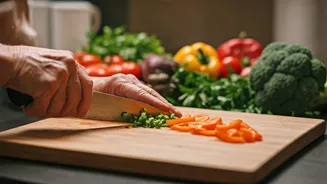
While the study, published in the Journal of Epidemiology and Community Health, highlights a strong correlation between home cooking and a reduced risk of dementia, it's important to acknowledge that it doesn't establish a direct causal relationship. The research was specifically conducted on a single demographic: older Japanese adults. However, the implications extend broadly, as dementia represents a significant and escalating global health challenge, particularly within aging populations. Identifying actionable lifestyle factors is therefore paramount, offering practical and accessible strategies for individuals to actively diminish their risk and preserve cognitive well-being. Cooking transcends the mere act of food preparation; it is fundamentally a mentally stimulating activity that engages planning, sequencing of tasks, focused attention, memory recall, critical decision-making, and the diligent follow-through required to complete a meal. This intricate interplay of cognitive processes contributes significantly to brain health.
Nourishing Habits, Sharper Mind
The benefits of preparing your own meals extend beyond the cognitive realm, positively impacting overall dietary quality. When you cook at home, you gain greater control over ingredients, often leading to the consumption of more wholesome, nutrient-dense foods such as whole grains, fresh fruits, and vegetables, in contrast to the often highly processed nature of takeout or convenience meals. Research consistently supports the notion that a diet rich in these natural foods can play a role in mitigating cognitive decline, especially for middle-aged and older adults. Furthermore, the act of cooking can foster social connections, whether preparing meals for loved ones or participating in community cooking activities, and it inherently involves physical movement. Therefore, rather than relying on heavily processed or readily available takeout options, actively engaging in preparing healthy meals tailored to your preferences and dietary needs can contribute significantly to both physical and mental well-being, offering a flavorful pathway to a sharper mind.