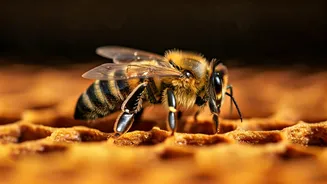

Bees' Temperature Battle
Honey bees, essential pollinators, have a sophisticated system for maintaining their internal temperature, a process called thermoregulation. They keep
the hive at a comfortable 35°C, crucial for their survival and the development of their brood. Bees maintain this temperature via a variety of methods. When it gets hot, they utilize evaporative cooling. This is achieved by the bees bringing water into the hive and then fanning their wings to circulate the air and cause evaporation. Additionally, they cluster together tightly to conserve heat when it is cold. Extreme heat waves disrupt these strategies. If the outside temperature exceeds the hive's ideal range, the bees' efforts to cool the colony become overwhelmed. As a result, the hive and its occupants are at severe risk. This disruption in thermoregulation can lead to colony collapse, underlining the profound vulnerability of honey bees to climate change and increasing temperatures.
Thermoregulation Breakdown
Honey bees are masters of temperature control, but intense heat waves can completely destabilize this intricate process. When temperatures soar, the bees' evaporative cooling, which depends on bringing in water and fanning their wings, can falter. Bees work diligently to gather water and circulate air, but in extreme conditions, their efforts are often futile. When outside temperatures are far higher than the 35°C ideal for the hive, the whole cooling system of the colony suffers. As the internal hive temperature rises, the bees become stressed, and their ability to function effectively is compromised. The brood, which are developing bees, also become vulnerable. Excessive heat can kill the brood, reducing the population and disrupting the colony's future. The impact of the breakdown of thermoregulation is a cascade of negative effects that can result in the entire colony's collapse. This highlights the urgent need to understand and address the effects of climate change on these essential pollinators.
Heat Wave Impact
Heat waves pose a severe threat to honey bee colonies, undermining their ability to maintain optimal hive conditions. The physiological stress the bees experience due to high temperatures can lead to decreased foraging activity, as bees must expend more energy on cooling the hive rather than collecting nectar and pollen. Moreover, heat can affect the quality of the honey. High temperatures accelerate the evaporation of water, which causes the honey to become thick and potentially crystalize, changing its nutritional value and appeal. Heat stress also makes the bees more vulnerable to diseases and parasites, further weakening the colony. Extreme heat can lead to a drastic decline in the bee population, leading to what's known as colony collapse. This widespread loss poses considerable risks to crop pollination and the ecosystem, since honey bees are crucial to the global food supply. The severity of heat waves and their impact on honey bees emphasize the importance of understanding and preparing for the effects of a warming climate.
Adapting and Surviving
Bees have several fascinating strategies to cope with rising temperatures. Some behaviours include fanning their wings vigorously to circulate air and using water for evaporative cooling. Certain bee breeds and colonies seem to exhibit better heat tolerance. Furthermore, bees may select nest sites more carefully, opting for shaded areas or locations with improved ventilation. To help honey bees survive heat waves, beekeepers and scientists are investigating practical interventions. Beekeepers may provide additional shade, improved ventilation, or access to water sources. They are also experimenting with hive designs to help regulate temperature more effectively. Furthermore, research into breeding heat-resistant bee strains is underway. Improving our knowledge about honey bees' resilience to heat waves is essential for their preservation and the health of the ecosystems they sustain. The aim is to create sustainable strategies that give these essential pollinators a fighting chance in a changing climate.
Beekeepers' Role
Beekeepers have an important role in helping honey bees manage extreme heat. Their proactive measures can support colony survival. They can ensure hives are positioned in shaded areas or locations with adequate ventilation to reduce direct sun exposure. Providing access to fresh water is also crucial. Beekeepers can place water sources near the hives so bees can easily access water for evaporative cooling. Regularly monitoring the hive temperature is also crucial. Beekeepers can use thermometers or sensors to track hive conditions and take appropriate action if temperatures rise too high. Another approach is to modify hive designs. Beekeepers can use reflective paint to reduce heat absorption or install ventilation systems to increase airflow. Furthermore, beekeepers can choose bee breeds that have greater heat tolerance. The combination of these measures can help reduce the impact of heat waves on honey bee colonies, promoting their health and contributing to the conservation of these essential pollinators. The actions of beekeepers are vital to safeguard honey bee populations against the challenges posed by a warming climate.
Looking Ahead
The ongoing research on honey bees' thermoregulation and their response to heat waves is crucial for understanding the challenges they face and creating effective solutions. Scientists are studying the bees' physiological responses to heat stress. This includes researching the mechanisms of evaporative cooling, the impact of heat on metabolic processes, and the influence of genetics on heat tolerance. Another aspect of research is focused on hive design. Researchers are assessing various hive designs to find the best solutions for temperature regulation and improving ventilation. They're also investigating strategies for selecting or breeding bees with superior heat tolerance. Additionally, there are studies focusing on the interaction between heat stress, diseases, and parasites, to fully understand the factors that threaten honey bees. This research offers valuable insights for preserving these pollinators. By advancing our understanding of honey bees' resilience, we can develop practical and effective strategies to ensure their continued survival in a changing climate. The future of honey bees relies on ongoing scientific investigation and collaborative efforts to mitigate the effects of extreme heat.