







Mastering Vascular Repair
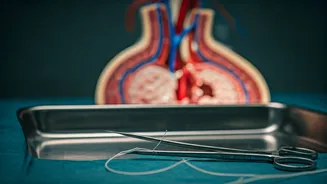
Alexis Carrel, a name synonymous with surgical innovation, earned the 1912 Nobel Prize in Physiology or Medicine for his pioneering work in vascular suturing
and the transplantation of blood vessels and organs. At a time when even minor damage to a blood vessel could prove fatal, Carrel's meticulous approach provided surgeons with the critical tools needed to restore blood flow with remarkable precision. His developed techniques allowed for the reliable reconnection of severed or damaged vessels, a fundamental challenge that had previously limited the scope of surgical intervention. This advancement was not merely about patching up a leak; it was about fundamentally changing how surgeons could approach injuries and operations, establishing a new standard for safe and effective vascular reconstruction. The ability to mend these vital conduits opened up a new era in surgical practice, directly impacting patient outcomes and paving the way for more ambitious medical procedures.
The Genesis of Transplants
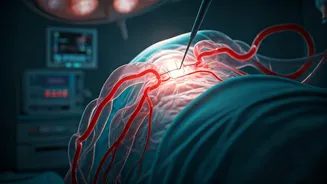
Carrel's ingenious methods for vascular repair were not just about fixing existing vessels but also about enabling entirely new possibilities in medicine, most notably the realm of organ transplantation. By mastering the art of suturing blood vessels, he provided the essential foundation upon which organ transplants could be built. Before his work, successfully transplanting an organ was largely a theoretical concept due to the insurmountable challenge of maintaining adequate blood supply to the new organ and integrating it with the recipient's circulatory system. Carrel's techniques provided the crucial solution, demonstrating how to connect the vessels of a donor organ to the host's vascular network. This breakthrough was transformative, turning a previously unachievable dream into a tangible medical reality and setting the stage for the life-saving transplant surgeries we see today.