






Summer AC Dangers Explained
Air conditioners are lifesavers during intense Indian summers, but rare incidents of AC blasts and fires underscore the importance of vigilance. These
events, though infrequent, are typically preventable and often stem from issues that develop over time due to neglect. Factors like improper installation, lack of regular upkeep, and overuse can significantly contribute to hazardous situations. Recent reports from areas like Delhi NCR highlight the necessity of paying attention to subtle indicators of a malfunctioning AC and taking immediate corrective actions. Ensuring proper maintenance, correct installation, and safe operational practices are paramount in averting potential dangers associated with air conditioning units.
Root Causes of AC Malfunctions
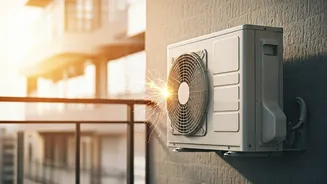
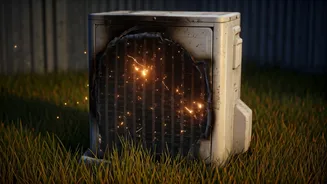
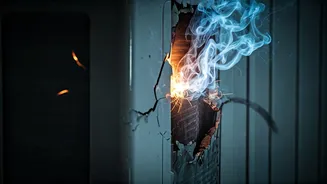
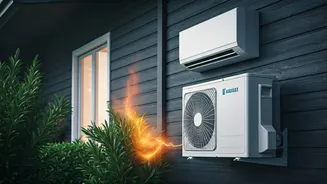
While AC explosions are uncommon, they are usually linked to specific technical issues that can be preempted with diligent attention. Key culprits include electrical faults such as faulty wiring, loose connections, or overloaded circuits, which can cause internal overheating and insulation failure, leading to sparks or fires. The compressor, the heart of the AC, can overheat if it operates continuously under excessive strain, potentially causing system failure and pressure imbalances. Refrigerant gas leaks, though rare in causing explosions, can create unsafe internal pressure conditions, and if exposed to heat or sparks, may contribute to hazardous scenarios. Additionally, improper installation, including incorrect fitting or gas charging, poses a hidden risk that can manifest over time. Finally, inadequate maintenance, leading to dust buildup and clogged filters, forces the system to work harder, increasing stress on components and the risk of overheating.
Spotting AC Danger Signals
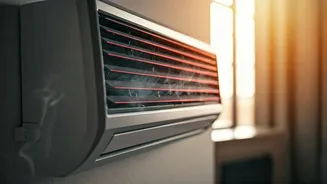
Fortunately, air conditioning units often provide subtle warnings before a major problem occurs. Homeowners should never ignore signs like unusual vibrations, the distinct smell of burning, a noticeable drop in cooling efficiency, or the circuit breaker tripping frequently. A hissing sound emanating from either the indoor or outdoor unit is a particularly important indicator, often signaling a refrigerant gas leak. While these might seem minor at first glance, overlooking them can allow small issues to escalate into serious and potentially dangerous malfunctions, compromising both the appliance and household safety.
Electrical Safety and Installation
Prioritizing electrical safety and correct installation is crucial for preventing AC-related accidents. It's vital that AC units have their own dedicated plug socket to prevent overloading, which occurs when multiple appliances share a single outlet. Proper earthing ensures that any excess electricity is safely discharged. In regions prone to voltage fluctuations, voltage regulators are essential to protect AC circuits from damage. Loose wiring should be addressed immediately, as temporary fixes often lead to greater hazards later. For long-term safety, professional installation is key; outdoor units need well-ventilated placement, and indoor units must be firmly secured to mitigate vibration damage. Expert technicians ensure correct gas and wiring pressures and efficient drainage, minimizing future risks.
Maintenance and Usage Habits
Regular servicing and cleaning are fundamental to maintaining AC performance and preventing failures. Keeping filters clean is essential to ensure unobstructed airflow, preventing the system from overworking. Professional servicing, recommended annually or bi-annually, involves checking critical components like coils, refrigerant levels, and internal wiring, allowing for early detection of hidden issues. Neglecting these routines can allow minor faults to develop into significant technical damage over time. Furthermore, daily usage habits play a role in AC safety. Running the unit at extremely low temperatures for extended periods can strain the compressor. Opting for moderate temperature settings and utilizing timers or sleep modes reduces continuous load. Allowing the system short breaks during prolonged usage also helps it cool down naturally. Lastly, keeping flammable materials away from AC units is a simple yet effective safety measure for any home.
Emergency Response Steps
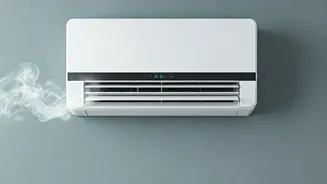
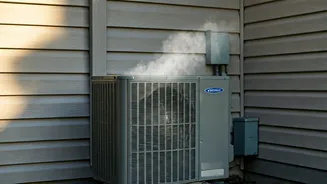
In the event of any unusual smells, visible smoke, or signs of overheating from an AC unit, immediate action is required. The first step is to switch off the unit promptly and disconnect its main power supply. It is strongly advised not to attempt any repairs without proper technical expertise, as internal components pose risks from both electrical hazards and refrigerant gas. Contacting a certified technician is the safest and most effective course of action. Swift and professional intervention can often prevent further damage and mitigate the escalation of the situation, ensuring safety and potentially saving the appliance.