







Decoding Maple Leaves
Embark on your journey to maple tree identification by focusing on their distinctive foliage. Maple leaves, belonging to the genus _Acer_, are renowned
for their characteristic palmate shape, often resembling an open hand with pointed lobes. While the number of lobes can vary among species, most maples feature three to five lobes. This unique structure is a primary visual cue for distinguishing them from other tree types. Observing the arrangement of these leaves on the stem, whether opposite or alternate, further aids in accurate identification. Beyond their shape, the texture and edge of the leaves—whether serrated or smooth—provide additional clues. For instance, the sugar maple (_Acer saccharum_) typically displays five distinct lobes with pointed tips, whereas the red maple (_Acer rubrum_) often has three to five lobes with serrated edges. Paying close attention to these leaf-specific details is the foundational step in confidently recognizing various maple species in their natural habitat. This meticulous observation allows for a deeper appreciation of the subtle differences that define each type of maple tree.
The Science of Autumn Colors
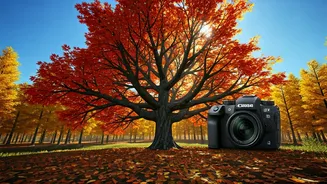
Witness the breathtaking transformation of maple leaves as they transition from verdant green to fiery hues of red, orange, and yellow. This spectacular display is a direct result of the tree's preparation for winter dormancy. During the warmer months, leaves are rich in chlorophyll, the essential pigment that facilitates photosynthesis—the process of converting sunlight into energy-rich sugars. As daylight shortens and temperatures decrease, chlorophyll production ceases. This decline in green pigment allows other underlying pigments, such as carotenoids (responsible for yellows and oranges) and anthocyanins (producing reds and purples), to become visible. The intensity and specific shades of these fall colors can vary significantly between maple species, influenced by factors like genetics and weather conditions. The sugar maple, for example, is famous for its vibrant crimson and orange foliage, while the red maple often exhibits a broader spectrum of reds. Understanding this biological process not only explains the visual spectacle but also highlights the adaptive strategies of maple trees to survive colder climates.
Geographical Distribution
Maple trees, particularly those from the _Acer_ genus, thrive predominantly in the eastern and northeastern regions of the United States. This geographic prevalence makes them a common sight for many individuals living in these areas, contributing significantly to the diverse forest ecosystems. Their range, however, extends well beyond the northern border of the United States, reaching into Canada. In Canada, the maple leaf holds immense cultural significance, prominently featured on the national flag and the country's coat of arms, symbolizing national identity and pride. This widespread presence across North America underscores the adaptability and resilience of various maple species to different climates and environments. Their ability to flourish in these temperate zones, coupled with their economic and cultural importance, solidifies their status as one of the continent's most recognizable and valued trees. The familiar silhouette of the maple leaf has become an enduring emblem of Canadian heritage.
Tapping into Maple Sap
Discover the sweet secret held within certain maple species: their sap, a vital resource for producing maple syrup. The sugar maple (_Acer saccharum_), red maple (_Acer rubrum_), and black maple (_Acer nigrum_) are particularly well-known for the rich, sugary sap that flows through their vascular systems. This sap is traditionally tapped during the late winter and early spring, a period when temperature fluctuations—freezing nights followed by thawing days—create the pressure necessary for sap to rise. The collected sap, which is about 97% water and 3% sugar, is then boiled down in a meticulous process to evaporate excess water and concentrate the sugars, transforming it into the delicious syrup enjoyed globally. This practice of sap tapping is a time-honored tradition, deeply rooted in the history and culture of regions where these maples grow. It highlights not only the biological marvel of the tree but also its significant contribution to culinary traditions and local economies, offering a tangible connection to the natural world.