







Teenage Brain's Remodeling
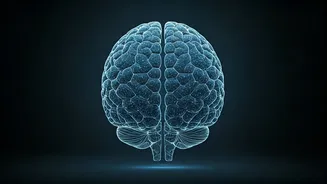
The teen brain is an exceptionally dynamic structure, continuously undergoing significant remodeling. This phase of life witnesses a remarkable transformation
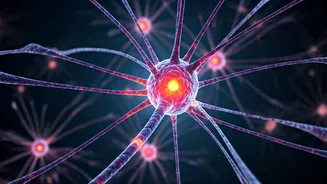
as the brain fine-tunes itself. A pivotal aspect of this process involves synaptic plasticity, where synapses—the junctions facilitating communication between neurons—are strengthened or pruned. Research highlights this period as crucial for shaping cognitive abilities and behavior. Previously, the specifics of these changes remained somewhat elusive, but new research offers a detailed look at how the teen brain evolves.
Discovering Synapse Hotspots
Scientists have recently identified 'synapse hotspots' within the teen brain, areas where synapse formation and remodeling are especially active. These hotspots are not uniformly distributed; instead, they appear in specific regions associated with various cognitive functions. Researchers believe that these hotspots are critical in the development of skills, such as learning, memory, and emotional regulation. The discovery of these hotspots helps scientists better understand the process of how teenagers learn and grow, opening new avenues for understanding and addressing challenges such as learning disabilities or mental health issues.
Formation and Significance
The emergence of 'synapse hotspots' during the teenage years provides a valuable framework for comprehending the brain’s adaptability. These areas serve as hubs, where the brain reinforces connections used more frequently and eliminates those deemed less essential. This dynamic process, influenced by experiences, influences the brain’s neural architecture. This focused activity explains why learning new things is both challenging and so deeply impactful during adolescence. By understanding how these regions operate, scientists can gain better insights into how to foster healthy brain development and mitigate potential issues that may arise during this crucial phase of life.
Implications and Future Research
The discovery of 'synapse hotspots' also has significant implications for future research. Researchers are now eager to explore how these hotspots are impacted by various factors, including genetics, environment, and lifestyle. This investigation helps create strategies to enhance brain health during adolescence. This knowledge may lead to novel methods for treating disorders and developing targeted interventions. The ongoing research could help to support teens in navigating the changes. Understanding how the teen brain functions could also influence educational strategies, encouraging learning environments that align with brain development, and enhancing overall cognitive wellness.