






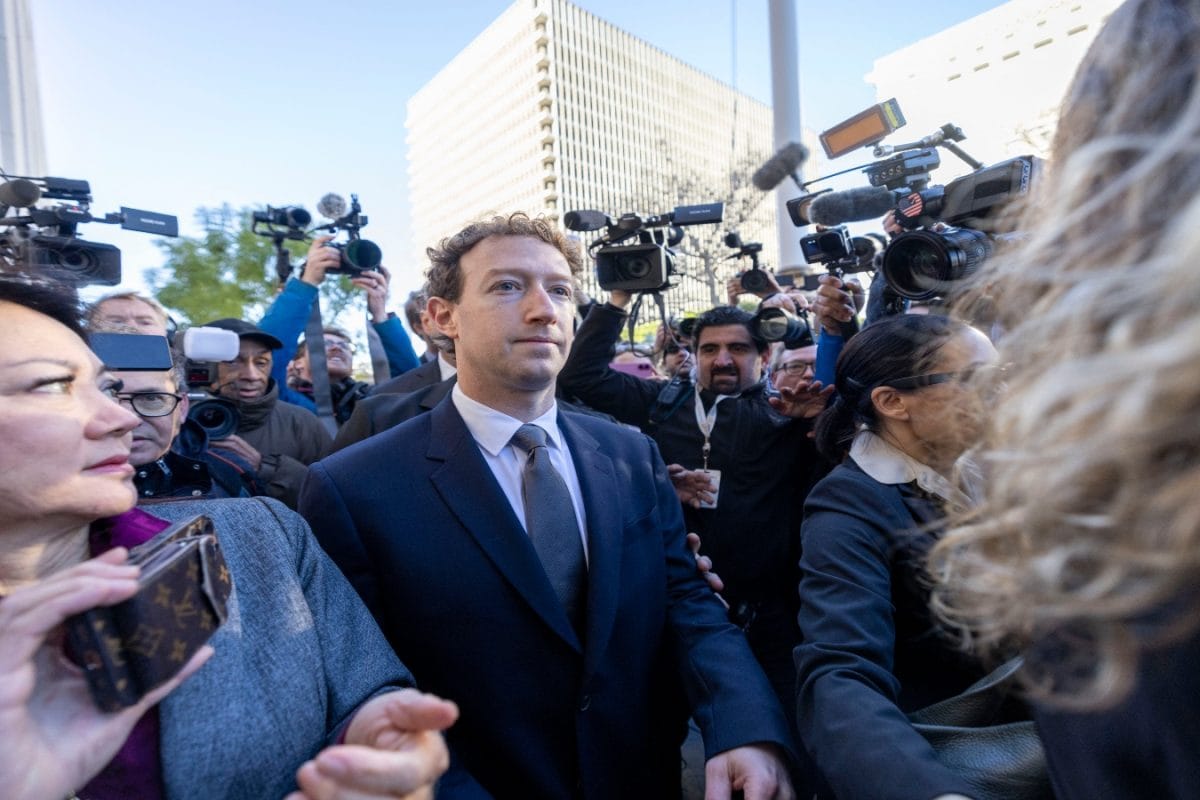

Jury's Landmark Decision
In a groundbreaking moment for digital accountability, a Los Angeles jury determined that both Alphabet's Google and Meta bear responsibility for the issue
of social media addiction. The verdict, delivered on Wednesday, March 25, 2026, resulted in an award of $3 million in damages. This decision is particularly consequential as it could serve as a pivotal influence on thousands of similar legal challenges pending against these technology giants. These cases have been initiated by various entities, including concerned parents, state attorneys general, and educational institutions, all raising alarms about the impact of social media on young people. The sheer scale of daily engagement is staggering, with at least half of American teenagers reportedly using platforms like YouTube or Instagram every day, according to data from the Pew Research Center. The specific Los Angeles case that led to this verdict centered on a young woman who alleged she developed an addiction to these applications from a tender age, attributing it to their intentionally captivating design features. Crucially, the plaintiffs in this proceeding concentrated their arguments on the inherent design of the platforms, rather than focusing on the specific content posted, thereby presenting a more formidable challenge to the tech companies' defense strategies and making it more difficult for them to evade liability.
Broader Legal Landscape
While the spotlight was on Meta and Google in this particular trial, other significant players in the social media arena, Snap and TikTok, were also named defendants. However, both of these companies reached settlements with the plaintiff prior to the commencement of the trial, with the specific terms of their agreements remaining undisclosed. Following the verdict, the market reaction for the involved tech firms was relatively muted, with shares of Meta Platforms experiencing a slight uptick of 1% and Alphabet showing modest gains, indicating that the news had little immediate impact on their stock valuations. A spokesperson for Meta expressed their disagreement with the jury's findings, stating they "respectfully disagree with the verdict and are evaluating our legal options," while Google offered no immediate comment. This verdict arrives at a time when major technology corporations in the United States have been subjected to escalating criticism over the past decade concerning the safety and well-being of children and teenagers online. The conversation has now substantially shifted from public discourse to the courtrooms and state legislative bodies across the nation. In a notable development, the U.S. Congress has thus far refrained from enacting comprehensive federal legislation aimed at regulating social media platforms. This legislative inaction has prompted individual states to take matters into their own hands. According to the nonpartisan National Conference of State Legislatures, an organization that diligently tracks legislative activity, at least 20 states have enacted laws specifically addressing social media usage and its impact on minors in the past year alone. These legislative efforts encompass a range of measures, including bills designed to restrict cellphone use within educational settings and mandates requiring users to verify their ages before creating social media accounts. However, this push for regulation faces opposition, with NetChoice, a trade association representing tech companies like Meta and Google, actively challenging age verification requirements in court with the aim of invalidating them.
Future Legal Battles
The implications of this recent jury finding extend far beyond the initial case. A separate, high-stakes lawsuit focusing on social media addiction, brought forth by several states and school districts against a consortium of technology companies, is anticipated to proceed to trial this summer in federal court, specifically in Oakland, California. This impending federal trial is poised to address a broader set of allegations and involve a wider array of plaintiffs. Furthermore, another significant state-level trial is scheduled to commence in Los Angeles in July, as confirmed by Matthew Bergman, one of the lead attorneys representing the plaintiffs in these high-profile cases. This forthcoming trial is set to scrutinize the practices of Instagram, YouTube, TikTok, and Snapchat, indicating a continued focus on the design and addictive qualities of these popular platforms. In parallel to these developments, a jury in New Mexico delivered a verdict on Tuesday, March 24, 2026, finding Meta in violation of state law. This separate lawsuit, initiated by the State's attorney general, had accused the company of not only misleading its users about the safety protocols of its platforms – including Facebook, Instagram, and WhatsApp – but also of facilitating child sexual exploitation through its services. These cumulative legal challenges underscore a growing trend of holding technology companies accountable for the societal impact of their platforms, particularly concerning vulnerable populations.