
Light's Lingering Influence
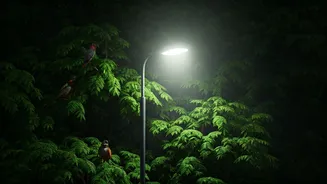
Light pollution, or excessive artificial light, is changing the behavior of many species. Studies have revealed that birds are among those greatly impacted.
The presence of artificial lights at night causes birds to sing for longer periods. This means that birds are singing more than they normally would under natural conditions. The reasons behind this shift are complex, yet evidence suggests that artificial light disrupts the birds’ internal clocks, making them feel like it is daytime for longer than it actually is. The consequences of these changes are far-reaching. Light pollution is not limited to simply extending the singing duration, but it also alters other critical aspects of the birds' life, such as their migration patterns and reproductive cycles.
Disrupted Natural Rhythms
Birds, like other creatures, follow a daily biological clock, or circadian rhythm, controlled primarily by the cycle of light and dark. This internal clock governs many aspects of their lives, including when they eat, sleep, and sing. Artificial light interferes with this natural cycle. The presence of light at night causes a confusion in this system, as it provides an artificial signal of daytime, making them sing for longer periods. Extended singing may seem harmless, but this change can have significant consequences. It alters the energy expenditure of the birds. Moreover, it can interfere with their ability to rest and recover, potentially affecting their health. The disruption of their natural singing patterns can also impact their ability to attract mates and defend their territories, which is crucial for survival.
Ecological Implications Considered
The effects of light pollution on birds extend beyond their individual behavior. Changes in their singing patterns can have broader ecological impacts. For instance, extended singing may make the birds more vulnerable to predators. Birds that sing more can be easier for predators to locate. The altered singing behaviors also affect communication, which is vital for birds. Changes in communication affect other species as well. Insect populations are critical for the birds’ food supply. Light pollution may also affect insect behavior, potentially disrupting this chain. These cascading effects demonstrate that light pollution not only affects individual birds but can also have a ripple effect throughout the ecosystem. Understanding these ecological implications is vital in taking informed steps to protect birds.
Mitigation and Prevention Strategies
Addressing light pollution requires a multi-faceted approach. There are several effective measures people can take to mitigate the impact of artificial light on bird behavior. One of the most effective strategies is to reduce the amount of light emitted at night. This can be achieved by using shielded lights that direct light downwards, minimizing light spill into the sky. Moreover, people can dim lights. Switching to warmer-colored bulbs can reduce the disruption of the birds’ internal clocks. Promoting awareness and educating the public about the harmful effects of light pollution are critical steps in encouraging change. With these simple measures, people can help reduce the impact of light pollution and protect the natural rhythms of birds.