





Worlds Beyond Our
The universe teems with countless stars, and orbiting many of these stars are planets—exoplanets, to be exact. These celestial bodies, found outside our
solar system, have captured the attention of astronomers worldwide. The study of exoplanets represents a huge frontier in astronomy, as it allows us to understand the variety and diversity of planetary systems. Scientists are using advanced telescopes and clever techniques to find, analyze, and characterize these distant worlds. This knowledge helps deepen our understanding of planet formation, the potential for life beyond Earth, and the place of our solar system in the cosmic scheme.
Discovering Distant Planets
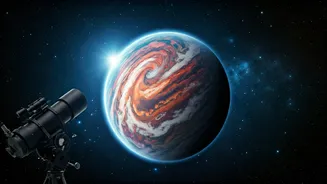
Finding exoplanets is no simple task due to their distance and the brightness of their host stars. Scientists use a range of indirect methods to detect them. The transit method observes dips in a star's brightness caused when a planet passes in front of it. The radial velocity method looks for slight wobbles in a star's motion, caused by the gravitational pull of orbiting planets. Other methods include gravitational lensing and direct imaging. These diverse techniques enable astronomers to identify exoplanets with differing characteristics. Each method provides unique information about a planet’s size, mass, orbital period, and even its atmospheric composition. The continued development and refinement of these detection techniques are opening up exciting new avenues in exoplanet research.
Kepler Data's Reveal
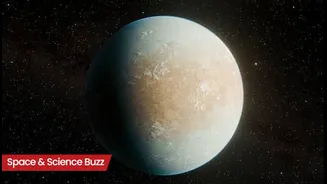
Recent data from the Kepler Space Telescope has unveiled promising insights. Kepler, a space-based observatory, has been instrumental in the discovery of thousands of exoplanets. The Kepler data has enabled researchers to find a nearly Earth-sized exoplanet on the edge of its star's habitable zone. The habitable zone is the area around a star where conditions might allow liquid water to exist on a planet's surface. The discovery of a potentially habitable planet is a significant step in the search for extraterrestrial life, as liquid water is considered essential for life as we know it. Further investigation of this exoplanet’s atmosphere and other characteristics will provide further understanding.
Analyzing and Understanding
Once exoplanets are found, the next step involves detailed analysis. Scientists use a range of instruments, like spectrographs, to study the light that passes through or reflects off an exoplanet’s atmosphere. This analysis provides valuable data regarding the atmospheric composition, including the presence of gases such as oxygen, water vapor, and methane. Furthermore, astronomers use advanced modeling to determine planetary characteristics like temperature, surface pressure, and potential geological features. Such data helps astronomers assess the potential habitability of an exoplanet and identify other factors that might support life. The collection and analysis of information from various sources is crucial to painting a comprehensive picture of each exoplanet.
Future of Exoplanet Research
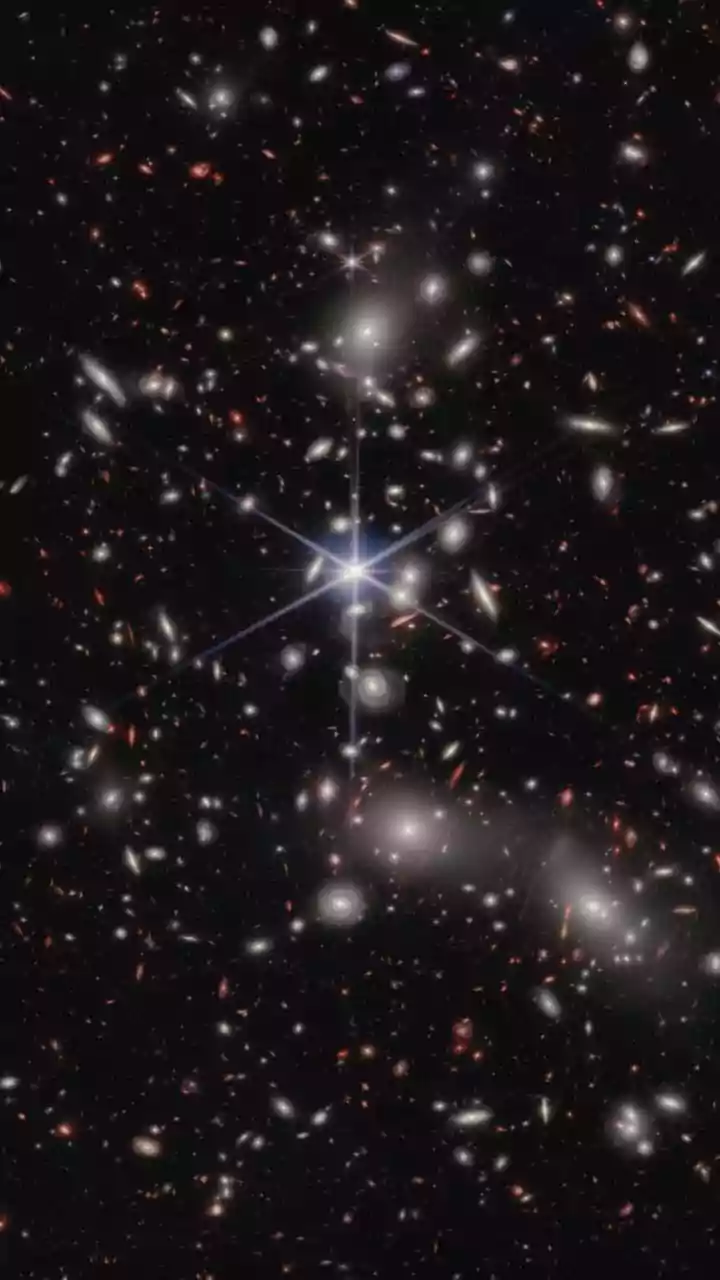
The field of exoplanet research is constantly evolving, with new missions and technologies on the horizon. The James Webb Space Telescope (JWST), with its cutting-edge infrared capabilities, is enabling astronomers to study exoplanet atmospheres in greater detail than ever before. Future telescopes, both space-based and ground-based, will push the boundaries of exoplanet detection and characterization. New techniques like direct imaging will enable scientists to directly observe exoplanets, providing valuable information about their composition and environments. Exoplanet research has a bright future, with potential breakthroughs in finding Earth-like planets and the possibility of discovering signs of life beyond Earth.