



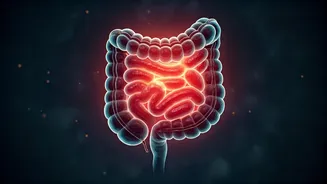

Gut Signals and Cognition
Contrary to traditional beliefs, age-related memory decline might not solely stem from brain deterioration. Emerging research points towards the body's
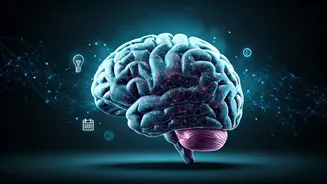
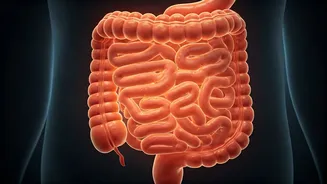
internal environment, specifically the gut, as a significant influencer. Signals originating from the intestines can disrupt critical brain circuits responsible for memory formation and retrieval. This perspective reframes cognitive aging, suggesting that interventions targeting the gut could offer new avenues for preventing or even reversing memory loss. The intricate communication between the gut microbiome and the brain, known as the gut-brain axis, plays a pivotal role, with disruptions in this pathway contributing to impaired cognitive performance over time. Understanding these mechanisms is key to developing effective strategies for maintaining brain health throughout life.
The Vagus Nerve Connection
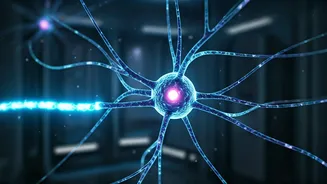
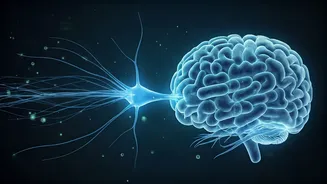
The body's internal monitoring system, known as interoception, relies heavily on the vagus nerve, a crucial communication channel between organs and the brain. While external senses like sight and hearing diminish with age, interoception's integrity is equally vital for maintaining bodily balance. Research in mice has revealed that signals transmitted via the vagus nerve from the intestines actively protect against cognitive decline. By stimulating specific sensory neurons in the gut connected to this nerve, older mice demonstrated a restoration of more youthful cognitive abilities. This finding suggests that internal sensory pathways, much like external ones, can falter with age, highlighting the vagus nerve's central role in preserving memory function and its potential as a therapeutic target.
Microbiome's Memory Impact
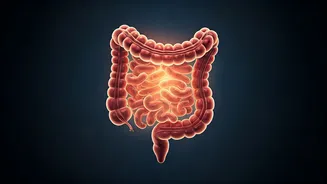
Changes in the gut microbiome composition are strongly implicated in age-related memory impairment. When microbiomes from older mice were transferred to younger ones, the recipients exhibited diminished memory capabilities, mirroring those of the aged donors. Conversely, eliminating the gut microbes through antibiotic treatment significantly restored cognitive function in these mice. Intriguingly, mice raised in a germ-free environment (lacking any microbiome) displayed a slower rate of cognitive decline as they aged compared to their conventionally raised counterparts. These observations strongly suggest that substances produced by an aging gut microbiome can actively contribute to memory loss, underscoring the importance of a healthy gut ecosystem for sustained cognitive health.
Targeting Memory Pathways
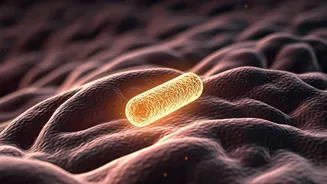
Scientists have pinpointed a specific bacterial culprit, Parabacteroides goldsteinii, and its production of medium-chain fatty acids (MCFAs) as a key driver of memory issues. Elevated MCFAs in aging guts activate immune cells, leading to inflammation and the release of molecules like IL-1β. This inflammatory response then disrupts the signaling capacity of vagal sensory neurons. The study meticulously traced this pathway from gut bacteria to immune cells, through the vagus nerve, and ultimately to the hippocampus, a brain region vital for memory. This detailed understanding allows for targeted interventions, such as using bacteriophages to specifically eliminate P. goldsteinii, which successfully reduced MCFAs and improved memory in mice.
Therapeutic Interventions Tested
Several promising strategies have demonstrated the ability to reverse memory deficits in mice. While antibiotic treatment showed efficacy, its long-term application is impractical. A more precise approach involved employing bacteriophages, viruses designed to target specific bacteria like P. goldsteinii, effectively reducing problematic MCFAs and enhancing memory. Furthermore, directly stimulating the vagus nerve proved highly effective. Treatments utilizing gut hormones like CCK or agonists of GLP-1 receptors, akin to existing diabetes medications, successfully reversed memory impairments in older mice. These findings offer exciting possibilities for leveraging existing or developing therapies to combat age-related cognitive decline.
Human Relevance and Future
These groundbreaking findings in mice challenge the long-held notion that brain aging is an isolated process. They suggest that interventions targeting the body, particularly the gut and vagus nerve, could potentially reverse memory loss. While research is ongoing to confirm these mechanisms in humans, early evidence is encouraging. Vagus nerve stimulation is already an approved treatment for conditions like epilepsy and stroke recovery, with patients reporting cognitive improvements. Future research will explore whether enhancing vagal nerve activity can aid in cases of chronic inflammation, neurodegeneration, and dementia, opening new frontiers in cognitive health management.