
Unexpected Crustal Behavior
The Earth's crust is not a static layer; it's constantly in motion, shaped by various forces. Scientists have long strived to understand this dynamic system,
using models to predict its behavior. However, the crust often deviates from these predictions, presenting a puzzle for researchers. Several factors contribute to this complexity, including variations in rock composition, temperature fluctuations, and the influence of plate tectonics. These elements combine to create a dynamic environment where the crust bends, breaks, and reshapes itself over geological timescales. The challenge lies in accurately modeling these interactions to better understand how the crust responds to different stresses and conditions. Each region of the crust possesses unique characteristics, further complicating attempts to create a universal model. The quest to understand this intricate interplay is essential for comprehending the long-term evolution of our planet and anticipating potential geological events. The unexpected patterns observed provide crucial insights into the planet’s ongoing transformation. Understanding these behaviors also helps in assessing seismic activity, volcanic eruptions, and other geological hazards. Thus, ongoing research into crustal dynamics enhances our ability to mitigate risks and protect communities worldwide. Furthermore, a deeper comprehension of crustal mechanics offers valuable data for resource management and other applications related to our interactions with the Earth.
Forces At Play
One of the key reasons the Earth's crust breaks the rules lies in the complex interplay of forces. Plate tectonics, for instance, play a significant role. The movement of tectonic plates, driven by the convection currents in the mantle, puts immense pressure on the crust. These forces cause the crust to compress, stretch, and fracture. The composition of the crust also impacts its behavior. Different types of rocks respond to stress differently. The varying densities and strengths of these rocks influence how the crust deforms. Furthermore, the presence of faults, fractures, and other geological features can create zones of weakness. These zones act as pathways for stress to accumulate and be released, sometimes leading to earthquakes. Variations in temperature also play a crucial role. Heat from the Earth's interior affects the viscosity of the rocks, influencing their ability to deform. Warmer rocks tend to be more pliable, while colder rocks are more rigid. This combination of factors generates complex stress patterns. Understanding these stress patterns is vital for predicting seismic activity and for understanding how the Earth's surface evolves over time. Scientists continually refine models to incorporate these variables and improve their ability to forecast geological events. Moreover, research into these mechanisms helps to identify areas at a higher risk of earthquakes and volcanic eruptions, aiding in disaster preparedness and mitigation efforts worldwide. By unraveling the intricacies of the forces at play, scientists can better interpret data from seismic and other geological surveys.
Innovative Methodologies
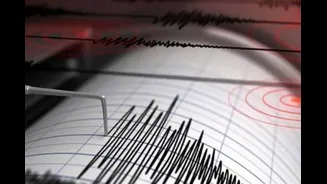
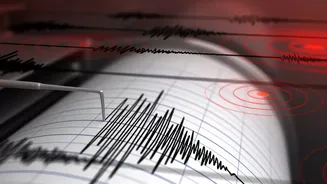
Recent studies have made significant progress in understanding the complexities of the Earth’s crust. Researchers use a wide range of tools, including seismic monitoring, GPS measurements, and computer simulations. Seismic monitoring helps detect and analyze the movement of seismic waves, providing insights into the structure and properties of the crust. GPS measurements allow scientists to track the movement of the Earth's surface, revealing how the crust deforms over time. Computer simulations help model the behavior of the crust under different conditions, providing a valuable tool for understanding complex interactions. These methods, in conjunction, are providing unprecedented insights into the patterns and mechanisms underlying crustal deformation. Some studies have focused on specific regions, such as areas with high seismic activity or active volcanism. By studying these regions, scientists can better understand the forces that drive earthquakes and eruptions. Other research focuses on examining the composition and structure of the crust. Analyzing the types of rocks and their arrangement offers clues about the crust's past and future behavior. These innovative methodologies offer a deeper understanding of the planet's intricate geological systems. Consequently, scientists are gradually improving their ability to make accurate predictions of geological events, and to understand the long-term evolution of our planet. This research contributes not only to academic knowledge but also to practical applications such as better disaster management practices and improved strategies for resource management.
Benefits for Society
The findings from these studies have crucial implications for our understanding of Earth's dynamics. Enhanced comprehension of crustal behaviors enables a more refined approach to modeling geological hazards. This enables better prediction of earthquakes and volcanic eruptions, which is key for improving safety and preventing disasters. Improved predictive capabilities can help communities prepare for and mitigate the effects of these events. Furthermore, this knowledge is valuable for a wide range of areas. It helps in the management of natural resources by providing information about the geological structure and composition of various regions. It assists in land-use planning by revealing areas prone to geological hazards. It also aids in understanding the long-term evolution of our planet, giving insights into the processes that have shaped the Earth over billions of years. As research advances, scientists anticipate further refining their models. They aim to improve predictions and find solutions to some of the most pressing geological challenges. Ongoing research also explores the connections between the Earth’s crust and other components of the planet, such as the mantle and the oceans. This broader perspective will create a comprehensive understanding of the Earth's complex systems. As our comprehension deepens, the benefits will extend to policy-making, providing solid guidance for safeguarding the environment and enhancing the quality of life globally. Consequently, a deeper understanding of crustal behavior holds the key to a safer, more sustainable future for everyone.