
Dark Matter Unveiled
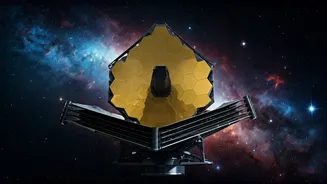
The Hubble Telescope has captured the attention of astronomers with its detection of a starless dark matter cloud, designated Cloud 9. This discovery opens
a window into the dark universe, which is composed of matter that does not interact with light. This cloud's existence provides new insight into the nature of dark matter and how it is distributed throughout the cosmos. Scientists are excited about this finding because it helps to challenge the existing theories on the universe's structure, allowing them to formulate newer and better ones. Understanding dark matter is key to piecing together the formation and evolution of galaxies, and it may also offer insights into the composition of the universe. This discovery is a step forward in unraveling some of the universe's most complex puzzles.
Betelgeuse's Hidden Companion
Hubble has also confirmed the existence of a hidden companion star to Betelgeuse. The wake of this companion star was observed by the telescope, which supported the long-held theory about the red giant. Betelgeuse, is a prominent star in the constellation Orion, and is known for its dramatic changes in brightness. The discovery of a companion adds a new layer of complexity to this star system. This recent finding validates theories about the companion's presence, which had been previously suspected but not confirmed. The companion star has significantly affected the star's behavior and appearance. Further study of Betelgeuse and its companion will offer a more comprehensive understanding of the life cycle of massive stars. This discovery has made astronomers worldwide more eager to find other potential companions of distant stars.