




Mumbai's Culinary Heartbeat
Mumbai, a city that never sleeps, pulsates with an electrifying culinary scene, offering a mesmerizing array of flavors and dining experiences. From the
iconic vada pav and pav bhaji found at bustling street stalls to the more refined offerings in its diverse restaurants, the city is a food lover's paradise. Its coastal location influences many dishes, with fresh seafood being a prominent feature. The city's culinary evolution is a testament to its cosmopolitan nature, blending traditional Maharashtrian tastes with influences from across India and the globe. Exploring Mumbai's food is not just about tasting dishes; it's about immersing oneself in the city's vibrant culture and its people's passion for food, creating a truly unforgettable gastronomic adventure that appeals to every palate.
A Taste of Gujarat
Gujarat's culinary identity is deeply rooted in its cultural heritage, characterized by a distinct vegetarian tradition that emphasizes sweetness and a unique blend of spices. Staple dishes like 'Thepla' (a flatbread made with fenugreek leaves) and 'Dhokla' (a steamed savory cake made from fermented batter) are popular across the state and beyond. The state's cuisine often incorporates a touch of sweetness, even in savory dishes, reflecting a harmonious balance of flavors. 'Undhiyu', a rich, mixed vegetable preparation cooked underground, is a special delicacy, especially during winter. The diverse agricultural landscape also contributes to a wide variety of pulses and grains used in their cooking, making Gujarati food not only delicious but also wholesome and nourishing. The elaborate 'Thali' system, featuring a multitude of dishes, showcases the generosity and culinary richness of Gujarat.
The Flavors of Punjab
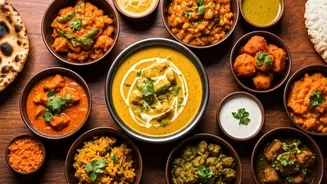
Punjab's culinary scene is synonymous with hearty, robust flavors that are a celebration of abundance and hospitality. The region is renowned for its rich gravies, generous use of dairy products like ghee and butter, and a penchant for tandoori cooking, which imparts a smoky essence to dishes. 'Butter Chicken' and 'Dal Makhani' are global ambassadors of Punjabi cuisine, showcasing its creamy textures and deep, satisfying taste. 'Sarson ka Saag' (mustard greens curry) paired with 'Makki di Roti' (corn flatbread) is a classic winter dish that embodies the comfort and warmth of Punjabi homes. The sheer variety of breads, from flaky 'Parathas' to soft 'Naans', complements the rich curries perfectly. Punjabi food is not merely about sustenance; it's an experience of communal dining and joyous feasting, reflecting the spirited nature of its people.
Exploring Uttar Pradesh
Uttar Pradesh boasts a culinary legacy deeply intertwined with its historical and cultural tapestry, particularly influenced by Mughal culinary traditions. Lucknow, its capital, is celebrated as the 'City of Kebabs', offering an exquisite array of marinated and grilled meats like 'Galouti' and 'Tunday Kebabs' that melt in the mouth. The state's cuisine extends beyond these famed kebabs, encompassing rich biryanis, flavorful curries, and delectable sweets. 'Chaat', a savory street food, finds its most vibrant and diverse expressions across UP, with iconic versions like 'Aloo Tikki Chaat' and 'Golgappe' being local favorites. The region also excels in sweet preparations, with 'Malai ki Gilori' and 'Petha' being particularly noteworthy. The culinary landscape of Uttar Pradesh is a harmonious blend of royal influences and popular street food culture, offering a truly diverse gastronomic journey.
The Royal Taste of Rajasthan
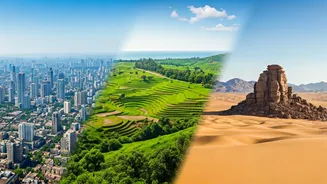
Rajasthan's cuisine is a reflection of its arid landscape and royal history, characterized by bold flavors, strategic use of spices, and a focus on preservation techniques. Dishes often feature a generous amount of ghee and incorporate lentils and pulses, adapting to the scarcity of water. 'Dal Baati Churma', a quintessential Rajasthani dish consisting of baked lentil dumplings served with a coarse sweet confection, is a must-try. 'Gatte ki Sabzi', made from gram flour dumplings in a yogurt-based gravy, showcases the ingenuity of Rajasthani cooking. The use of dried fruits and nuts adds richness and depth to many preparations. Sweets like 'Ghewar' and 'Malpua' offer a delightful end to a meal. Rajasthani food is not just about taste; it's about the stories of resilience and hospitality embedded in each bite, offering a true glimpse into the state's vibrant heritage.
Haryana's Rustic Charm
The culinary traditions of Haryana are deeply rooted in its agricultural heartland, offering a simple yet deeply satisfying experience that emphasizes fresh, locally sourced ingredients. The cuisine is characterized by its wholesome nature, with a strong reliance on dairy products, whole grains, and seasonal vegetables. 'Chhach' (buttermilk) and 'Lassi' are integral to meals, providing refreshment and aiding digestion. Dishes like 'Kadhi Pakora' (gram flour dumplings in spiced yogurt gravy) and 'Gajar ka Halwa' (carrot pudding) are beloved comfort foods. 'Hara Chana' (green chickpeas) and various lentil preparations are common, showcasing the region's agricultural bounty. The cooking style is unpretentious, focusing on natural flavors and hearty meals that fuel the hardworking populace, making Haryanvi cuisine a true reflection of its pastoral heritage.
Maharashtra's Diverse Palate
Maharashtra's culinary landscape is as varied as its geography, presenting a fascinating mix of coastal, inland, and regional influences. From the spicy 'Misal Pav' of Kolhapur to the sweet 'Puran Poli' of Pune, each region contributes its unique flavors. Coastal Maharashtra features seafood prominently, with dishes like 'Fish Curry' and 'Prawn Fry' being popular. Inland regions often feature more robust lentil-based dishes and flatbreads. The use of coconut, peanuts, and a variety of spices defines many Maharashtrian preparations. 'Vada Pav', a humble yet iconic street food, has become a symbol of Mumbai's vibrant food culture. The cuisine is characterized by its balanced approach, incorporating spicy, sweet, and savory elements to create a delightful gastronomic experience that is both traditional and adaptable.
The Delicacies of Kerala
Kerala's cuisine is a vibrant tapestry woven with the threads of its lush tropical environment and historical trade routes, offering a distinct South Indian flavor profile. Coconut, in various forms – oil, milk, and grated – is a foundational ingredient, lending a unique richness and aroma to dishes. Seafood is abundant and central to many Keralan preparations, with fish curries, 'Karimeen Pollichathu' (marinated pearl spot fish steamed in banana leaves), and prawn dishes being highly sought after. 'Sadya', a traditional feast served on a banana leaf with a variety of vegetarian dishes, is a culinary highlight. Rice, in its many forms, is the staple grain. The complex interplay of spices, including curry leaves, mustard seeds, and tamarind, creates a symphony of tastes that is both aromatic and deeply satisfying, making Kerala a true culinary gem.
Tamil Nadu's Culinary Essence
Tamil Nadu's cuisine is renowned for its distinct South Indian flavors, emphasizing rice as a staple and a harmonious balance of tangy, spicy, and savory tastes. 'Sambar' (a lentil and vegetable stew) and 'Rasam' (a spicy tamarind-based soup) are iconic accompaniments to rice, forming the cornerstone of many meals. 'Idli' and 'Dosa', fermented rice and lentil preparations, are popular breakfast and snack items served with coconut chutney and sambar. The region also boasts a rich tradition of vegetarian dishes, with elaborate 'Thalis' showcasing a variety of curries, rice, and sweets. 'Pongal', a savory or sweet rice dish, is a celebratory favorite. The skillful use of tamarind, chilies, and a variety of spices creates a distinct flavor profile that is both invigorating and comforting, reflecting the culinary heritage of Tamil Nadu.
Tripura's Tribal Flavors
Tripura's cuisine offers a unique culinary experience, deeply influenced by its indigenous tribal communities and their traditional practices. The food is characterized by its simplicity, reliance on fresh, locally sourced ingredients, and often a preference for boiling or steaming methods. Bamboo shoots are a staple ingredient, used in a variety of savory preparations that are both healthy and flavorful. 'Chakhwi', a dish made from fermented bamboo shoots, is a delicacy. Rice is the primary carbohydrate, often served with indigenous vegetables and locally available fish or meat. The use of minimal spices, with a focus on natural flavors enhanced by herbs and a hint of chili, defines Tripuri cuisine. This culinary tradition offers a distinct taste of the region's natural bounty and the sustainable food practices of its tribal communities, providing an authentic gastronomic journey.