






Infections as Catalysts
For a long time, dementia was viewed as a gradual process primarily influenced by genetic predispositions and lifestyle choices, almost like a slow-burning
fire. However, recent scientific investigations, notably a study published in PLOS Medicine, are proposing a different perspective. This research suggests that external, more acute events can significantly alter the progression and timeline of cognitive decline. Specifically, the study points to severe occurrences of common infections, such as cystitis (bladder infections) and even dental problems like tooth decay, as potential accelerants. These infections, rather than being the direct cause, may act as triggers that speed up the onset of dementia symptoms in individuals already predisposed to protein buildup or plaque formation in the brain. These pre-existing silent changes can go unnoticed for years, but a significant inflammatory response from an infection could potentially expedite the damaging processes, leading to a dementia diagnosis sooner than anticipated.
The Biological Connection
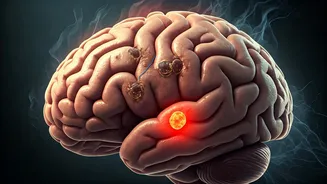
Delving into the biological mechanisms, we can begin to understand how seemingly unrelated infections might impact brain health. When the body encounters a significant infection, such as a severe urinary tract infection or an abscessed tooth, it mounts a robust inflammatory response. This response involves the release of various signaling molecules, including cytokines, throughout the body. While inflammation is a crucial defense mechanism, chronic or excessive inflammation can be detrimental. In the context of the brain, neuroinflammation, or inflammation within the brain tissue, is increasingly recognized as a key player in the development and progression of neurodegenerative diseases like Alzheimer's. It's theorized that the systemic inflammation triggered by peripheral infections can cross the blood-brain barrier or influence it, exacerbating existing neuroinflammation. This heightened inflammatory state may then accelerate the aggregation of amyloid-beta and tau proteins, hallmarks of dementia, further contributing to neuronal damage and the manifestation of cognitive symptoms.
Timing and Prevention
The timing of these infections is crucial in understanding their role in dementia progression. Many individuals may harbor preclinical signs of dementia, such as the slow accumulation of pathological proteins in their brains, for years without any discernible symptoms. The onset of a severe infection could potentially serve as a critical juncture, acting as a catalyst that pushes these individuals past a threshold, leading to noticeable cognitive decline and a subsequent diagnosis. This highlights the importance of timely and effective management of common infections. For instance, prompt treatment of urinary tract infections to prevent them from becoming severe and addressing dental issues before they escalate into serious infections like periodontitis could be vital. These preventative measures might not only safeguard general health but also play an understated role in preserving cognitive function and potentially delaying or mitigating the impact of neurodegenerative processes.