







NASA's Temperature Records
NASA's data collection played a pivotal role in determining global temperature trends. These records, meticulously compiled and analyzed, offer an in-depth
perspective on climate shifts. By tracking these figures, scientists can ascertain the degree of warming and identify its geographical distribution. The comprehensive data includes measurements from various sources, such as land-based weather stations, sea surface readings, and satellite observations. These diverse inputs contribute to a thorough understanding of the planet’s temperature fluctuations. Furthermore, NASA consistently updates and refines its methods for collecting and evaluating data. This ongoing effort ensures that the recorded temperatures are as accurate as possible. By examining past trends, scientists can model future climate conditions. The careful maintenance of these temperature records enables a clear view of how our planet is evolving, driving critical research into climate science and its global effects.
Near Record-Breaking Heat
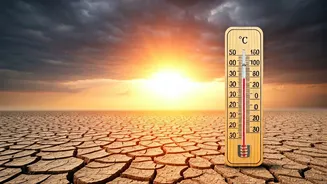
The year 2025 was nearly the hottest year recorded, a stark indicator of global warming. The data indicated that temperatures were unusually high, closely approaching the established record for the warmest year on Earth. This near-record underscores a consistent trend of escalating temperatures across the globe. Researchers pointed out that a combination of factors, including increased greenhouse gas emissions and natural climate variations, contributed to this near-record. Scientists meticulously compared 2025's temperature data with historical records, revealing how close it came to surpassing previous highs. This comparative analysis clearly shows the magnitude of climate change and its escalating influence. The close call of 2025 is a critical reminder of the urgency of addressing climate challenges. It acts as a wake-up call, emphasizing the need for immediate and effective measures to reduce emissions and mitigate further warming.
Data and Analysis Details
NASA's analysis of temperature data uses advanced methodologies to measure and interpret climate patterns accurately. These methods encompass complex algorithms, state-of-the-art instruments, and continuous monitoring to create a global perspective of the Earth's thermal state. Data points are collected from diverse sources, including weather stations situated across continents and floating buoys that record ocean temperatures. In addition, orbiting satellites play an essential role by capturing essential data over extensive areas. Scientists meticulously analyze these datasets, removing inconsistencies and making adjustments to enhance accuracy. The information is then used to create visualizations and models that illuminate climate trends over time. The thorough analysis of these datasets enables researchers to identify patterns, evaluate the impacts of climate change, and forecast future environmental developments. The continuous refinement of analytical processes reinforces NASA's commitment to delivering precise, trustworthy data, thereby advancing climate science.
Implications and Impacts
The near-record temperatures of 2025 have significant consequences, including amplified environmental impacts. Elevated global temperatures are directly linked to rising sea levels, which threaten coastal regions worldwide. Extreme weather events, such as heat waves, droughts, and intense storms, are also likely to increase in frequency and severity. These climate-related shifts can also negatively affect ecosystems. The effects can be seen in shifts in agricultural productivity and alterations in the distribution of plant and animal species. Furthermore, such changes bring about economic instability. These consequences affect different areas in varying degrees. These challenges highlight the importance of understanding and preparing for the effects of climate change. Efforts to mitigate and adapt to the impacts of these changes are vital to managing the risks. Recognizing these risks is a crucial step in the global response to a warming climate.
Future Climate Outlook
Analyzing the climate data from 2025, scientists project the future of global temperatures and the environment. Based on the patterns observed, the long-term outlook indicates continued warming, with the potential for further record-breaking temperatures in the years ahead. Researchers use complex climate models that simulate the interactions of various elements such as atmospheric composition, oceanic currents, and solar activity to make these projections. These models aid in predicting likely climate changes, highlighting potential environmental hazards. Current projections indicate that extreme weather events will become more frequent and more powerful. Rising sea levels pose significant threats to coastal zones. Ecosystems will likely undergo additional changes, influencing biodiversity and natural resource availability. Tackling these climatic challenges requires continuous monitoring, advanced research, and global collaboration. The future depends on actions to diminish emissions, adapt to climate impacts, and ensure environmental stability.