







The Perils of Rat-Hole Mining
Rat-hole mining is a dangerous and rudimentary method of extracting coal, primarily practiced in regions like Meghalaya, which holds significant coal reserves.
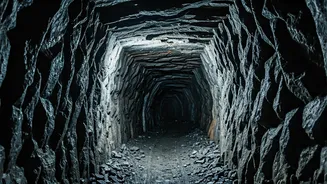
This technique involves digging narrow, often vertical, shafts into the earth, just wide enough for a single person to descend and manually extract coal from thin seams, typically less than 2 meters thick. The term 'rat-hole' aptly describes these cramped passages. Miners rely on ropes or bamboo ladders to reach the coal and use basic tools like pickaxes and shovels. This method carries immense risks due to the lack of proper ventilation, structural support, and safety equipment, leading to frequent accidents, suffocation, and mine collapses. The dangers were starkly highlighted by a recent explosion in an illegal rat-hole mine in Meghalaya's Thangkso, which tragically claimed the lives of 27 workers. Similar incidents have occurred in Assam and Meghalaya in the past, including one in 2018 where 15 miners perished after being trapped for two weeks. The challenges faced by rescue operations, such as those in the Silkyara-Barkot tunnel and an Assam mine, underscore the extreme conditions, including deep water and zero visibility, that these miners endure.
Types of Rat-Hole Extraction
Rat-hole mining can be broadly categorized into two distinct procedures, each with its own set of dangers. The first, known as 'side-cutting,' involves excavating narrow tunnels horizontally along hillsides until a coal seam is encountered. This method is common in Meghalaya's hilly terrain where coal deposits are often thin. The second type is 'box-cutting,' which begins with the creation of a larger rectangular opening on the surface, ranging from 10 to 100 square meters. From this opening, a deep vertical shaft is dug, extending between 100 to 400 feet. Once the coal seam is located, miners then proceed to dig narrow, rat-hole-sized tunnels horizontally to extract the coal. Despite the description of these passages, some workers, like Parsadhi Lodhi from Jharkhand, have reported working in extremely confined spaces, with holes as small as 600 mm wide, indicating a willingness to engage in work under severely hazardous conditions without apparent fear.
The Persistent Ban and Violations
Despite the severe safety risks and environmental concerns, rat-hole mining has been officially outlawed by the National Green Tribunal (NGT) since 2014, with the ban reaffirmed in 2015. The NGT's order explicitly acknowledged the fatal consequences of flooding in these mines during rainy seasons. However, the practice continues unabated, particularly in Meghalaya. The state government appealed the NGT's order to the Supreme Court, but violations persist. Official records from Meghalaya's police indicate a significant number of infractions, with at least 477 violations of the NGT order reported between April 2014 and November 2018 alone. This ongoing defiance highlights a systemic issue where the law is frequently disregarded, leading to recurrent fatalities and environmental degradation, including land erosion and water contamination.
Why the Practice Continues
The persistence of rat-hole mining, despite its illegality and inherent dangers, is largely attributed to a lack of viable economic alternatives for the local population. In regions like Northeast India, where coal seams are often thin, rat-hole mining offers significantly higher wages compared to government schemes like MGNREGA, making it an attractive, albeit perilous, employment option. This economic imperative is often exacerbated by a perceived nexus between politicians and bureaucrats, who may turn a blind eye to these illegal operations. For the NGT order to be effectively implemented, there needs to be a clear acknowledgement of the problem and the strong political will to address the underlying socio-economic issues that drive individuals to engage in such hazardous work. Without addressing these root causes, the cycle of danger and illegality is likely to continue.