





Synergistic Eating Explained
Our bodies are remarkably efficient, but sometimes nutrients need a little help to be fully utilized. Many beneficial plant compounds, known as phytochemicals,
are not always readily absorbed by our digestive systems. This reduced bioavailability means we might not be reaping the full health advantages these foods offer. The concept of 'synergistic eating' addresses this by suggesting that certain food combinations can act as enhancers, improving the digestion and uptake of these crucial compounds. Think of it as a culinary team-up where ingredients work together, making each other more effective. Research highlights that pairing specific nutrients can elevate their overall impact, turning ordinary meals into potent health boosters. This approach focuses on maximizing the nutritional value of what we eat, ensuring our bodies can access and benefit from the goodness within our food.
Carotenoids & Fat Power
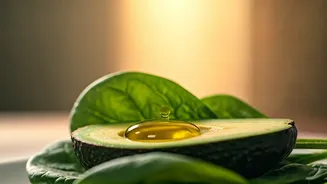
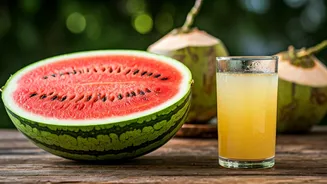
Vibrant fruits and vegetables are brimming with carotenoids, powerful phytochemicals renowned for their antioxidant properties that shield our bodies from oxidative stress. Among these, beta-carotene, a precursor to Vitamin A, is vital for vision and immune function, while lycopene, found abundantly in tomatoes and watermelon, is linked to reduced risks of heart disease, diabetes, obesity, and certain cancers. The key to unlocking their full potential lies in their fat-soluble nature. Just as a lock needs a key, carotenoids require dietary fat for optimal absorption. When consumed with healthy fats like avocado, nuts, or olive oil, these compounds become significantly more bioavailable. Furthermore, cooking these vegetables can drastically increase carotenoid absorption; for instance, stir-fried carrots show a 75% bioavailability of beta-carotene compared to a mere 11% in raw carrots. Similarly, cooked tomatoes can offer up to three times more lycopene than their raw counterparts, with tomato sauce, often rich in olive oil, being an exceptional source. Embracing tomato-based sauces or sundried tomatoes packed in olive oil are perfect strategies to enhance lycopene intake.
Iron Absorption Boosters
Iron is an indispensable mineral, critical for maintaining energy levels and ensuring the proper functioning of our blood cells. Our bodies cannot produce iron, so dietary intake is essential. Iron comes in two forms: heme iron from animal sources and non-heme iron from plant sources. Heme iron is more easily absorbed, with our bodies utilizing about 25% of it, compared to roughly 17% for non-heme iron. This difference is due to non-heme iron often being in an insoluble state, requiring conversion to a soluble form and then competing with other nutrients for passage through the intestinal wall. Fortunately, Vitamin C plays a pivotal role in enhancing non-heme iron absorption. By enabling non-heme iron to change forms and dissolve more readily, Vitamin C acts as a facilitator. To maximize your iron intake, consider adding citrusy elements like lemon juice to your meals, or incorporating fruits rich in Vitamin C such as strawberries and oranges into salads alongside iron-rich greens like spinach. Combining plant-based and animal-based iron sources on the same plate can also boost overall absorption; for example, a meal featuring fish with white beans could be beneficial.
Curcumin's Peppered Potential
Polyphenols, a remarkable group of phytochemicals, are celebrated for their potent antioxidant properties. Turmeric, a spice cherished in many cuisines, contains curcumin, its primary active compound, which boasts significant anti-inflammatory, antioxidant, and neuroprotective benefits. However, curcumin's journey in the body is often cut short, as it gets metabolized very quickly, leading to limited absorption into the bloodstream. The solution to this absorption challenge comes in the form of black pepper. The active compound in black pepper, piperine, acts as a natural enhancer by slowing down the metabolism of curcumin. This delayed metabolism allows our bodies to absorb substantially more curcumin – one study suggests a staggering 2000% increase when piperine is consumed alongside it. Herbs and spices, often overlooked, are packed with beneficial phytochemicals. Incorporating turmeric into dishes like Indian curries or enjoying it in a golden milk latte or turmeric tea can be delicious ways to harness its health benefits, especially when paired with a pinch of black pepper.