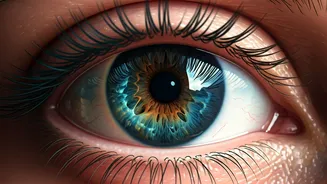







Dry Eye Syndrome Onset
Post-menopausal women frequently report experiencing dry eye disease, a condition exacerbated by declining estrogen levels. Hormones are vital for maintaining
a healthy tear film, the essential lubricant for the eyes. When these hormones decrease, tear production can diminish, and the quality of tears may suffer, leading to symptoms like stinging, a gritty sensation, redness, light sensitivity, and even excessive tearing due to irritation. Prompt intervention with preservative-free artificial tears, lubricating nighttime gels, omega-3 supplements, or prescribed anti-inflammatory drops is crucial to prevent chronic discomfort and potential corneal damage.
Cataract Risk Escalates
The likelihood of developing cataracts increases significantly with age, and women may notice this clouding of the eye's natural lens emerge slightly earlier than men. This gradual blurring of vision can be influenced by post-menopausal hormonal fluctuations, which may introduce oxidative stress to the lens. As estrogen's protective effect against such damage wanes, women might experience blurry vision, perceive halos around lights, and require frequent updates to their eyewear prescriptions. When cataracts start to substantially impair sight, surgical intervention offers an effective solution for vision restoration.
Glaucoma's Silent Advance
Women past 50 face a heightened susceptibility to glaucoma, a progressive ailment affecting the optic nerve. While often linked to elevated intraocular pressure, glaucoma can also develop even when pressure remains within normal limits. Hormonal changes after menopause can disrupt the eye's fluid outflow mechanisms and alter its vascular network, potentially increasing internal pressure. This insidious condition typically progresses without noticeable symptoms until its later stages, where peripheral vision loss may go undetected. Regular eye check-ups, including intraocular pressure measurements, are indispensable for early detection, enabling treatments like eye drops, laser therapy, or surgery to prevent irreversible sight impairment.
Macular Degeneration Emerges
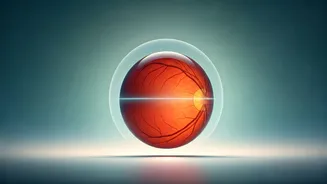
The risk of age-related macular degeneration (AMD) escalates after the age of 50, with women being particularly vulnerable due to reduced hormonal protection for the retina. AMD targets the macula, the central retinal area responsible for sharp, detailed vision. Individuals may notice straight lines appearing distorted or a blurriness or dark spot in their central field of vision. AMD presents in two forms: dry, which progresses slowly, and wet, which necessitates treatment with injections into the eye to halt vision loss. Lifestyle modifications, such as adopting a nutritious diet and abstaining from smoking, can play a role in mitigating this risk.
Diabetes and Retinal Health
Metabolic shifts common in later life can increase the propensity for developing diabetes. This condition, in turn, significantly elevates the risk of diabetic retinopathy, a complication that can affect vision to varying degrees. For individuals managing diabetes, annual evaluations of the retina are paramount, even if their vision appears normal. These checks are vital for detecting early signs of damage and intervening promptly to preserve sight.
Presbyopia and Reading
Presbyopia is a natural consequence of aging, characterized by a diminished ability of the eye's lens to focus on nearby objects. This leads to the common difficulty in reading fine print that many experience as they get older. While a natural part of the aging process, understanding its causes and seeking appropriate solutions, such as reading glasses, can help maintain the ability to engage with everyday tasks requiring close-up vision.