






Introducing _Prunus_ Wonders
This week, we dive into the captivating world of _Prunus_ trees, a diverse group renowned for producing delectable stone fruits like cherries and peaches.
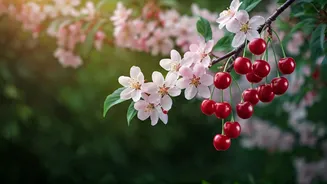
These trees are celebrated not just for their sweet, fleshy fruits, known botanically as drupes, but also for their stunning spring floral displays. Each drupe possesses a hard central pit, or 'stone,' scientifically termed a pyrena, which encloses a single seed. While the fruit is a delightful treat, the pit itself is inedible and can cause digestive upset if accidentally consumed. Interestingly, the genus _Prunus_ is home to exceptions, such as the almond, where the seed within the pit is edible and widely enjoyed in various forms, from raw snacks to creamy butter. Many of these beloved trees, though not originally native to the United States, have become cherished additions to the landscape, contributing significantly to both agricultural output and aesthetic beauty across the nation.
The Art of Drupe Identification
Mastering the identification of _Prunus_ trees involves understanding the characteristics of their signature fruit: the drupe. These fruits are distinguished by their fleshy outer layer surrounding a hard, stony pit that encases a single seed. Cherries and peaches are prime examples, showcasing the typical drupe structure. This unique botanical feature is a key identifier for the _Prunus_ genus. Beyond the fruit, observing the tree's blossoms can also provide crucial clues. Many _Prunus_ species erupt in a profusion of delicate pink and white flowers each spring, creating breathtaking visual spectacles. The timing and appearance of these blossoms, such as the iconic Yoshino cherry trees that adorn Washington D.C.'s Tidal Basin annually, serve as a powerful indicator of a _Prunus_ tree's presence and specific variety. Paying attention to leaf shape, bark texture, and growth habit further refines your identification skills, transforming a casual observer into a knowledgeable arboreal enthusiast.
Beyond the Fruit: Cultural Significance
The _Prunus_ genus holds a significant place in human culture, extending far beyond its role as a provider of delicious fruits. The spring blooming of these trees, particularly cherry blossoms, has inspired awe and celebration for centuries. A prime example is the annual Cherry Blossom Festival in Washington D.C., where the Tidal Basin becomes a breathtaking spectacle of pink and white as Yoshino cherry trees (_Prunus x yedoensis_) burst into bloom. This event draws visitors from around the globe, highlighting the profound aesthetic and emotional impact these trees have. This admiration for _Prunus_ extends to various traditions and art forms, symbolizing renewal, beauty, and the ephemeral nature of life. Moreover, the economic importance of _Prunus_ fruits, such as cherries, peaches, plums, and apricots, cannot be overstated, contributing substantially to global agriculture and dietary staples. Understanding this cultural and economic impact enriches our appreciation for these remarkable trees.