
Artemis 2: The Prelude
The Artemis program, spearheaded by NASA, marks a significant resurgence in lunar exploration, with Artemis 2 being a critical milestone. This mission
is designed as a crewed flight, acting as the first human-crewed mission to the Moon in over five decades. This flight is not just about revisiting our celestial neighbor; it is a meticulously planned endeavor, focused on testing essential systems and procedures that will pave the way for future lunar missions, including the establishment of a sustained human presence on the Moon. NASA's commitment to returning to the Moon demonstrates a focus on scientific discovery, technological innovation, and expanding human presence in space. The success of Artemis 2 is crucial as it sets the stage for Artemis 3, which aims to land astronauts on the lunar surface, and for the subsequent missions to establish a more permanent presence there, leading to a new era of space exploration.
Astronauts: The Pioneers
The success of the Artemis 2 mission hinges upon the skills and capabilities of the astronauts selected to undertake this groundbreaking journey. Their training has been intense, covering every aspect of the mission, from operating the spacecraft to conducting scientific experiments in the lunar environment. While the specific crew members for the Artemis 2 mission have been selected and are undergoing rigorous preparation, the names of the astronauts have not been revealed in the provided context. The astronauts will act as pioneers, venturing into the unknown and carrying with them the hopes and aspirations of scientists, engineers, and space enthusiasts worldwide. Their experiences and insights during this mission will prove invaluable, not only in terms of enhancing our understanding of the Moon but also in preparing for future missions to Mars and beyond. The legacy of these astronauts will be written in the stars, inspiring future generations of explorers and scientists.
Mission Objectives: Defined Goals
The objectives of the Artemis 2 mission are far-reaching, encompassing several critical components essential for ensuring the success of the Artemis program as a whole. One of the primary goals involves verifying the spacecraft's systems in a crewed environment. This validation includes testing the life support systems, navigation, and communications infrastructure, to guarantee they perform flawlessly during lunar missions. Another critical objective is to assess the astronauts' performance, measuring their ability to endure the stresses of space travel and execute complex tasks. The mission will further expand on scientific research, offering valuable data on the lunar environment and potentially lead to new discoveries. The comprehensive nature of the objectives speaks to NASA's commitment to careful planning and a phased approach to the exploration of the Moon. Every aspect of Artemis 2 is designed to contribute to the mission's goals and expand our knowledge of the Moon.
Technological Advancements: Enabled Progress
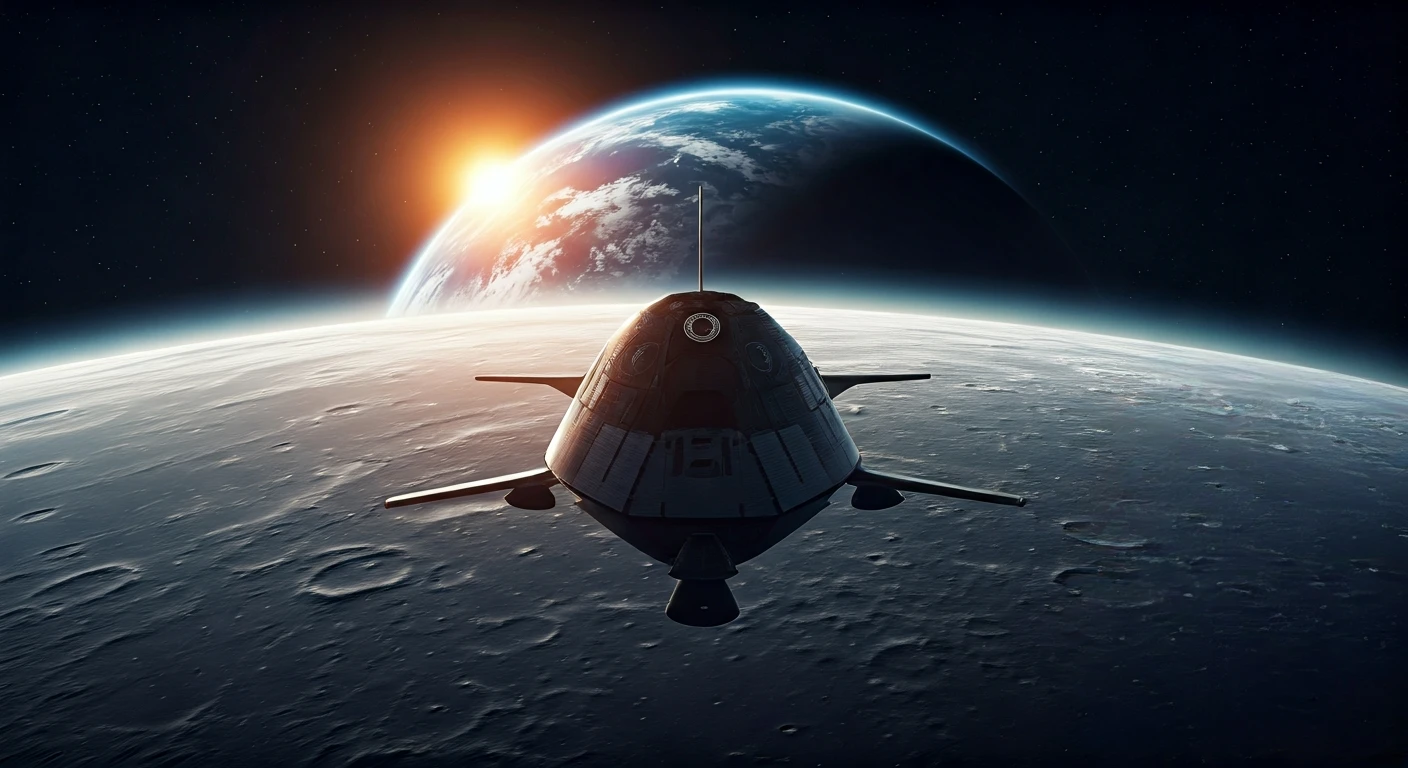
The Artemis 2 mission showcases numerous technological advancements, underscoring human ingenuity and the unwavering pursuit of space exploration. The development of the Orion spacecraft represents a significant leap forward in spacecraft design, incorporating the latest materials and technologies for enhanced safety and performance. This new spacecraft will provide improved living conditions for the crew, enabling them to safely endure extended missions in deep space. Furthermore, the launch systems, particularly the Space Launch System (SLS) rocket, have been meticulously engineered to deliver the Orion spacecraft to the Moon, offering unprecedented power and precision. The technological advancements are not limited to just hardware; they also include advanced life support systems, communication technologies, and navigation tools. These new technologies ensure the safety of astronauts and enhance their ability to conduct scientific research during the mission, establishing a new age of space exploration.