






A Sapphire in the Spice Cabinet
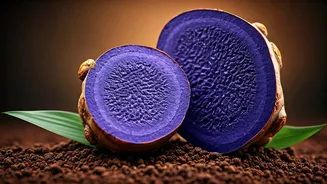
While most associate turmeric with a vibrant yellow hue and its well-known anti-inflammatory and antioxidant prowess, India is home to a more elusive variety:
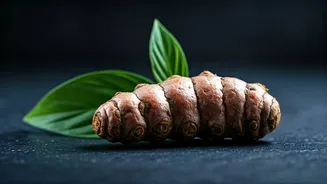
blue turmeric. Unlike its common cousin, Curcuma longa, which owes its colour and most of its medicinal fame to curcumin, blue turmeric, scientifically known as Curcuma caesia or black turmeric, possesses a striking dark blue to bluish-black interior. This unique coloration hints at a different chemical composition and a distinct set of applications. Primarily cultivated in certain regions of India and Southeast Asia, blue turmeric has a stronger aroma and a distinctly bitter, camphor-like taste, which traditionally steers it away from culinary uses and towards the realm of holistic healing and folk medicine, setting it apart significantly from the turmeric we commonly find in our kitchens.
Beyond Curcumin: The Power Within
The fundamental divergence between blue and regular turmeric lies in their core constituents and resultant applications. Standard yellow turmeric is celebrated for its high curcumin content, the compound responsible for its potent anti-inflammatory and antioxidant effects, making it a staple in both daily meals and health supplements. Blue turmeric, however, contains considerably less curcumin. Instead, its therapeutic power stems from a different ensemble of active compounds, including various essential oils, camphor, and phenolic substances. This unique blend positions blue turmeric not as a common cooking ingredient, but as a specialized remedy within Ayurvedic practices, traditional healing systems, and home-based treatments, highlighting its distinct role in natural therapeutics.
Ayurveda's Blue Elixir
Traditionally, blue turmeric has been revered for its remarkable therapeutic properties, particularly when administered judiciously and in controlled quantities. It is frequently employed in Ayurvedic medicine to alleviate pain and combat inflammation, especially targeting joint discomfort, muscular aches, and localized injuries. Furthermore, its inherent antimicrobial characteristics are believed to fortify the body's defense against infections and aid in the expedited healing of minor wounds. Anecdotal evidence and traditional practices also point to its efficacy in supporting respiratory well-being, offering relief for conditions like persistent coughs, asthmatic symptoms, and nasal congestion. Additionally, it is thought to enhance digestive health by mitigating issues such as excessive gas and general stomach unease, making it a multifaceted natural remedy.
Skin Soothing and Cautions
Beyond internal applications, blue turmeric has also found favor for its beneficial effects on the skin. Many individuals turn to it as a natural remedy for various dermatological concerns, including rashes, itchiness, and superficial wounds, owing to its reputed soothing and regenerative qualities. However, it is crucial to approach the use of blue turmeric with informed caution. Its potent active compounds, while beneficial, can potentially lead to adverse effects if not used properly or in excessive amounts. Therefore, it is strongly advised to seek professional medical guidance, especially for individuals who are pregnant or managing pre-existing health conditions, to ensure safe and effective utilization of this rare Ayurvedic treasure.