







Introduction to Safaris
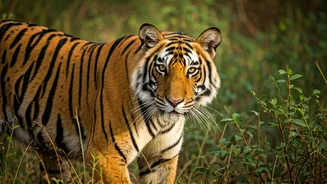
Safaris in India provide a unique opportunity to experience the country's rich biodiversity, particularly its iconic Bengal tigers. North Indian national
parks host diverse wildlife, making them a hotspot for wildlife enthusiasts. Planning a safari requires understanding the landscape, optimal timing, and the specific gates known for frequent tiger sightings. The anticipation of witnessing a tiger in its natural environment makes each safari a thrilling quest, enhanced by the knowledge of strategic park entrances.
Corbett National Park
Corbett National Park, one of India's oldest national parks, stands as a premier destination for tiger sightings. Known for its rich biodiversity, the park is home to a significant tiger population. The Dhikala gate serves as a prominent entry point, offering access to the park's core areas, including the grasslands and dense forests. These habitats are ideal for spotting tigers, as they provide both shelter and prey. Another popular gate is Dhangarhi, known for its strategic location, which allows access to the Bijrani zone, another area where tigers are frequently sighted. Furthermore, the park's ecosystem, including the Ramganga River, contributes to the area's suitability as a tiger habitat, which enhances the probability of sightings.
Ranthambore National Park
Ranthambore National Park in Rajasthan is a historical park known for its picturesque landscapes and thriving tiger population. The park's rugged terrain and ancient forts contribute to its unique appeal. The main gates, including Jodhpur and Singhdwar, give access to prime tiger habitats, offering high chances of sightings. The park's varied ecosystems, comprising grasslands, rocky terrain, and water bodies, create an optimal environment for tigers. These conditions contribute to higher sighting probabilities for visitors to the park. The diverse landscape, along with active conservation efforts, ensures that Ranthambore remains a significant location for tiger safaris.
Kanha National Park
Kanha National Park in Madhya Pradesh is renowned for its preservation of the tiger, providing a pristine habitat. The park’s dense sal forests and sprawling meadows enhance tiger sightings. The Mukki and Kisli gates are essential for entering the park's vital areas, increasing chances of viewing tigers. These entry points offer access to the core zones of the park, including the meadows and forested regions, which are favored by tigers. The careful management and conservation practices within Kanha help create a safe habitat for the tigers, thereby increasing the prospects of wildlife viewing for enthusiasts.
Bandhavgarh National Park
Bandhavgarh National Park, also situated in Madhya Pradesh, is famous for having the highest density of tigers in India. The park is characterized by its hilly terrain and dense forests, creating a suitable environment for tigers. The Tala and Magadhi gates are frequently used, as they lead to areas where tiger sightings are more common. The park’s layout and landscape, which include ancient fort ruins and water sources, contribute to its biodiversity. This offers the ideal environment for the tigers. The high density of tigers means that safari visitors have a high likelihood of experiencing sightings, which enhances the overall appeal of Bandhavgarh as a wildlife destination.
Pench National Park
Pench National Park, spanning Madhya Pradesh and Maharashtra, is a key habitat for tigers, known for its diverse fauna. The park features a blend of landscapes, from open grasslands to dense woodlands. The Turia and Karmajhiri gates provide access to vital tiger zones within the park. These entrances lead to areas where tiger sightings are more probable, improving the chances of wildlife viewing. The varied landscapes and the presence of the Pench River sustain the local ecosystem, making it a supportive environment for the tigers. Visitors to Pench are treated to stunning views of diverse wildlife.